XL6009 Equivalent, Alternative & Replacement Guide
The XL6009 is the 400kHz/4A-switch boost converter inside half the adjustable modules you've ever bought — TO263-5L, 5-32V input, boost/SEPIC/inverting, from XLSEMI. If you're replacing it, the question isn't "what boosts 12V to 24V" — it's which trade you accept: frequency, package, or protection.
Three candidates cover the decision: the XL6019 (pin-compatible successor, 5A, 220kHz), the MT3608 (1.2MHz compact, SOT-23-6), and for protected designs, the TPS61088 (10A, full protection set). Each is right in a different corner of the market.
XL6009 vs XL6019 vs MT3608: Full Comparison
| Parameter | XL6009 | XL6019 | MT3608 |
|---|---|---|---|
| Manufacturer | XLSEMI | XLSEMI | Aerosemi |
| Package | TO263-5L | TO263-5L | SOT-23-6 |
| Pinout | 1-GND 2-EN 3-SW 4-VIN 5-FB | same | different (4-pin switcher) |
| Input Voltage | 5-32V | 5-40V | 2-24V |
| Switch Current Limit | 4A | 5A | 4A (switch) |
| Switching Frequency | 400kHz | 220kHz | 1.2MHz |
| Max Duty Cycle | 90% | 90% | ~90% |
| Feedback Reference | 1.25V | 1.25V | 0.6V |
| Topologies | Boost/SEPIC/Inverting | Boost/SEPIC/Inverting | Boost only |
| Realistic Continuous Output (12V→24V) | 1-1.5A (free air) | 1.5-2A (free air) | ~0.5-1A |
| Built-in Protections | Basic (soft-start, current limit) | Basic + wider input | Basic (soft-start, OCP) |
| Typical Module Price | ~$1-1.5 | ~$1-1.5 (chip cheaper) | ~$0.5-1 |
| Best For | Existing XL6009 BOMs | New designs, higher power | Battery-powered compact |
The one-line summary: the XL6019 is a drop-in upgrade on the same pins — but half the frequency means bigger inductor and caps; the MT3608 is a different chip for a different board; and if your load can't survive a fault, none of these three is the answer.
But how do you actually decide? Drive the decision with input range and package: above 32V or 4A, go XL6019; below 24V and 1A on a small board, go MT3608; anything with a costly load behind it, go protected.
When to Use the XL6019
The XL6019 is the default choice for anything new on the XL6009 footprint. Same TO263-5L pinout, so a board laid out for the XL6009 takes it with the same solder mask.
Input range extends to 40V (vs 32V), switch limit rises to 5A, and the chip is cheaper in volume — the module vendors have already made this swap for you.
The trade is the frequency: 220kHz vs 400kHz roughly halves the switching rate, so the inductor and output capacitors grow about 2x for the same ripple.
The cheap modules on the market reuse the XL6009's component values without optimization — a forum-observed shortcut, not a design rule. If your board is already tuned for 400kHz ripple, re-tune the LC network for 220kHz.
When to Use the MT3608
The MT3608 is the right part when the XL6009 is overkill. SOT-23-6, 1.2MHz, 2V minimum input — a single Li-Ion cell boosts to 5V or 12V with a tiny inductor and ceramic caps. Realistic output is about 0.5-1A continuous.
The small package simply can't shed the heat of 2A at high step-up ratios.
Pick it for sub-5W battery boosters, wearable and handheld boards, and anything where board area beats output current. It is not a drop-in: the pinout and feedback reference (0.6V vs 1.25V) are different, so it's a re-layout, not a swap.
When NOT to Use These Chips at All
When the load is expensive and the fault is cheap to prevent. Per the SE discussions on XL6009-class parts, the protection set is basic — soft-start and current limit, without the full OVP/UVLO/thermal package of a TI part.
For camera rigs, avionics-adjacent, or anything that powers a $500 sensor, the TPS61088 (10A switch, 1MHz, built-in OVP/OCP/OTP) is the honest answer.
Also avoid the XL6009 for solar-panel input: as the panel sags, the converter pulls more current and the loop feeds itself — the datasheet's 5-32V window assumes a stiff source.
Pinout & Layout Notes
Why does the tab matter so much here? Because it's the switch node and the heatsink — the hottest trace in the circuit carries the hottest current.
TO263-5L pinout: pin 1 GND, pin 2 EN (below 0.8V off, above 1.4V on, floating = on), pin 3 SW, pin 4 VIN (5-32V), pin 5 FB (1.25V reference). The metal tab is SW — same net as pin 3, and the heatsink path. The XL6019 uses the identical layout.
Typical boost circuit: the inductor's SW node (pin 3 + tab) is the hot spot — it swings from 0 to Vout at 400kHz. Keep it short and fat, ground the tab through solid copper, and let R1/R2 set the output via the 1.25V reference: Vout = 1.25 × (1 + R2/R1).
Switching frequency — the size of your inductor and caps:
Lower frequency = bigger magnetics for the same ripple; higher frequency = smaller parts but tighter layout. The XL6019's 220kHz is the price of its 5A switch and 40V input — budget the inductor accordingly.
Other Alternatives Worth Knowing
| Model | Manufacturer | Key Difference | Best For |
|---|---|---|---|
| LM2577 | TI / onsemi | 52kHz, 3A, TO-263 | Legacy through-hole replacement |
| TPS61088 | Texas Instruments | 10A switch, 1MHz, full OVP/OCP/OTP | Protected high-power designs |
| MC34063A | Multiple | 40V/1.5A, 100kHz, external switch above 1.5A | Ultra-low-cost, simple |
| FP6291 | Feeling | 1MHz, 2A, SOT-23-6 | MT3608 alternative |
| LT1372 | Analog Devices | 5A, 500kHz | Premium, legacy-quality line |
LM2577 vs XL6009: the LM2577 is the classic TO-263 boost at 52kHz — the XL6009 switches 8x faster, so the inductor shrinks from a heavy toroid to a compact SMD part.
If you're migrating a 1990s-era board, the XL6019 covers the same power class with a fraction of the magnetics; if the LM2577 design is qualified and stable, leave it alone.
Frequently Asked Questions
Q1: Can I swap an XL6019 directly onto an XL6009 board?
A: Electrically yes, but re-tune the LC network. Same TO263-5L pinout, same feedback reference — the chip drops in. But the XL6019 switches at 220kHz, roughly half the XL6009's 400kHz, so the inductor and output caps should grow about 2x for the same ripple. Commercial modules reuse XL6009 passives without optimization; a new design should size for 220kHz.
Q2: What's the realistic output current of the XL6009?
A: 1-1.5A continuous in free air, about 1.7A at the absolute limit from 12V to 24V. The 4A rating is switch current, not output: Iout = Isw × (Vin/Vout) × efficiency ≈ 4 × (12/24) × 0.85 ≈ 1.7A. The TO263 tab sheds about 2W in free air — beyond that, heatsink or airflow.
Q3: Is the XL6009 discontinued?
A: No — XLSEMI still produces it and it's deeply stocked. But for new designs the XL6019 is the better choice: wider input (40V), higher switch limit (5A), same pinout, and cheaper in volume. The XL6009 remains the right call only for boards already qualified on it.
Q4: Why is the XL6019 module cheaper than the XL6009 module?
A: The chip itself is cheaper in volume (~1.8 yuan vs ~2.3 yuan at distributor prices). The module vendors have also switched most production to the XL6019, which pushes its volume up and price down. Same performance class on paper — the frequency trade-off is what you're actually paying less for.
Q5: Can the MT3608 replace the XL6009?
A: No — different pinout, different feedback reference (0.6V vs 1.25V), different package. The MT3608 is a 1.2MHz SOT-23-6 part for sub-1A battery boosters. It's the alternative to the XL6009 for compact low-power boards, not a drop-in — a re-layout is required.
Q6: When should I step up to the TPS61088 instead?
A: When your load can't survive a fault. The XL6009-class parts carry basic protections (soft-start, current limit); the TPS61088 adds full OVP, UVLO, and thermal shutdown at 10A switch capability. For camera rigs, industrial sensors, or any load costing more than the board, the protected part is the difference between a blown regulator and a blown project.
Q7: How do I spot a counterfeit XL6009?
A: Measure RDS(on) and the switching frequency. Genuine parts switch at 400kHz (±20%) and the internal switch measures roughly 110mΩ. Counterfeit XL6009s built from smaller dies read higher on-resistance and drop out of regulation at lower current. Check the lot code against XLSEMI's marking format — a part with no traceable lot code is a red flag.
Q8: Why does my XL6009 module spike to 40V when the input drops?
A: The internal reference loses regulation below about 3.5V input and the duty cycle goes to maximum. The output can jump to 2-3x the set voltage. Add an undervoltage lockout on the input (disconnect below 5V) and a Zener clamp on the output as the last line of defense. For solar-panel input, use a different converter entirely — the sag-current feedback loop is destructive.
Related information




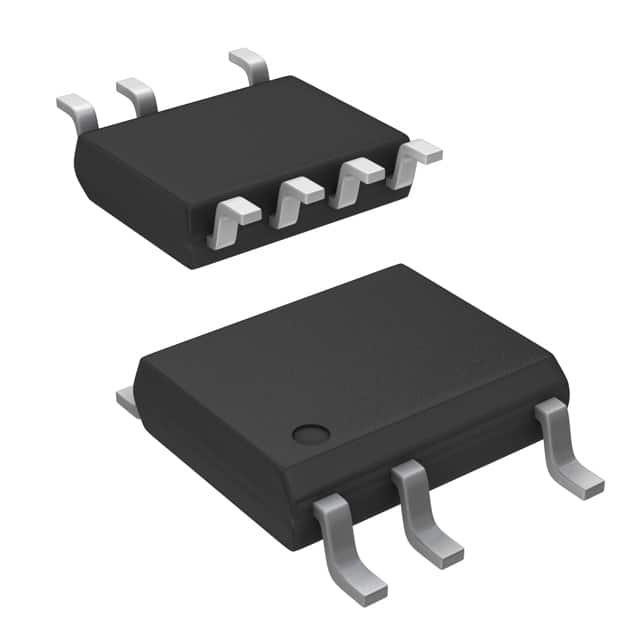
-
LNK304DN-TL Power Integrations
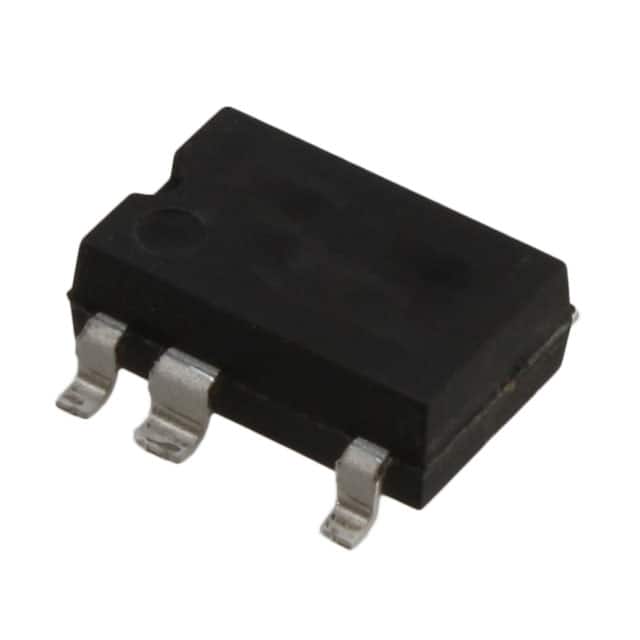
-
LNK304GN-TL Power Integrations
-
LNK304DG-TL Power Integrations
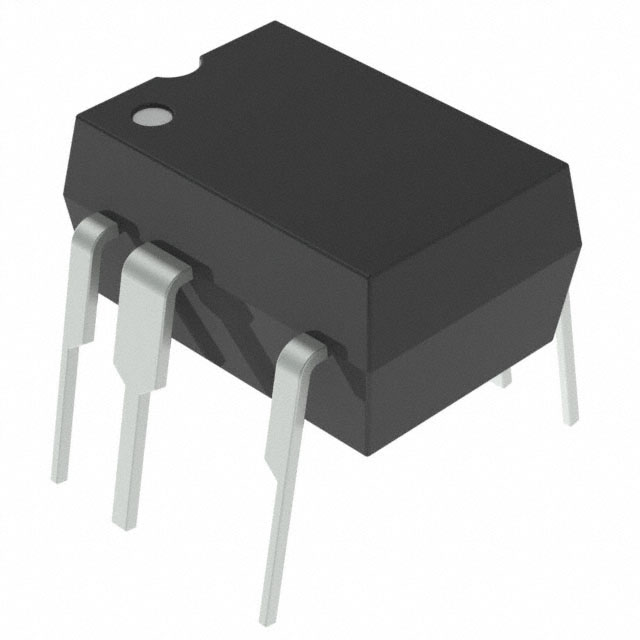
-
TNY277PN Power Integrations
-
TNY276PN Power Integrations
-
TNY278PN Power Integrations
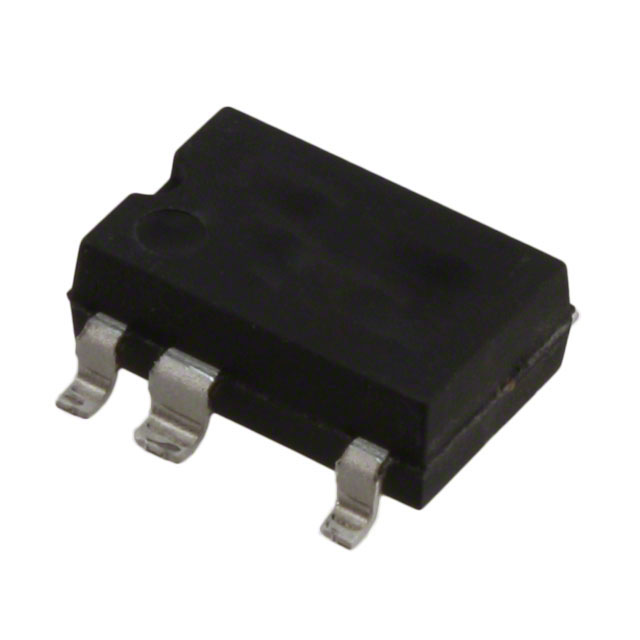
-
TNY278GN-TL Power Integrations
-
TNY280GN-TL Power Integrations
-
TOP266KG-TL Power Integrations
-
TOP258PN Power Integrations
-
TOP253PN Power Integrations
-
TOP253PNAU Power Integrations

- 1500+ Daily average RFQ Volume

- 20,000.000 Standard Product Unit

- 1800+ Worldwide Manufacturers

- 15,000+ In-stock Warehouse