The Complete Guide to Linear Regulator & LDO Selection (2025–2026)
The Complete Guide to Linear Regulator & LDO Selection (2025–2026) | ICMASS
This guide covers every linear regulator and LDO we stock and support — from the 50-year-old LM317 to a modern 500mA LDO the size of a grain of rice. Nine parts. Three categories.
Every BOM review contains a decision: linear or switching? LDO or standard? Fixed or adjustable? The wrong choice burns watts. The right choice means a two-capacitor solution that works for a decade. So how do you pick? Start with two numbers: your input voltage and your load current.
Linear Regulator & LDO Comparison Table — All Models at a Glance
| Model | Type | VOUT | IOUT | Dropout | Package | Key Feature |
|---|---|---|---|---|---|---|
| AMS1117-3.3 | Fixed LDO | 3.3V | 1A | 1.3V | SOT-223 | Most popular 3.3V LDO, ceramic-cap sensitive |
| AMS1117-5.0 | Fixed LDO | 5.0V | 1A | 1.3V | SOT-223 | 5V version, same caveats |
| LM1117IMPX-3.3 | Fixed LDO | 3.3V | 800mA | 1.2V | SOT-223 | TI original, tighter spec than AMS1117 |
| LM1117IMPX-5.0 | Fixed LDO | 5.0V | 800mA | 1.2V | SOT-223 | TI original 5V, 800mA |
| LM317T | Adjustable | 1.25–37V | 1.5A | ~3V | TO-220 | Classic adjustable, not an LDO, needs 3V headroom |
| LM317G-AA3-R | Adjustable | 1.25–37V | 1A | ~3V | SOT-223 | UTC SMD version, same LM317 architecture |
| LM7805L-TA3-T | Fixed Linear | 5.0V | 1.5A | 2V | TO-220 | Indestructible classic, thermal shutdown |
| TL431 | Shunt Ref | 2.5–36V | 100mA | N/A | TO-92/SOT-23 | Programmable reference, not a regulator |
| LP5912-3.3 | Ultra-LDO | 3.3V | 500mA | 95mV | WSON-6 | Ultra-low dropout, 12µVrms noise |
Dropout voltage — the most misunderstood spec. The LM317 and LM7805 need 2–3V headroom. The LP5912 needs 95mV. Using an LM317 for 3.3V from a 5V rail doesn't work — 1.7V is below its 3V dropout.
Bar = dropout relative to LM317 (3V). The LP5912 at 95mV regulates 3.3V from a 3.4V input. The LM317 can't regulate 3.3V from 5V — the numbers don't add up.
LDO selection in 60 seconds. Fixed or adjustable output? Then match dropout to your headroom. Then run the thermal numbers.
Power dissipation at typical operating points. Linear regulators burn the voltage difference as heat. 12V→5V at 0.5A = 3.5W. That needs a heatsink. The same drop at 100mA = 0.7W — a SOT-223 with copper handles it.
Rule: Pd<1W = SOT-223 with copper pour. 1–2W = TO-220 with heatsink. >2W = switching regulator or buck+LDO cascade.
How to Choose the Right Linear Regulator
Step 1: Fixed or adjustable? Need 3.3V or 5V? Take a fixed regulator. Two capacitors and you're done. Need 9V, 12V, or any non-standard voltage? Use the LM317 with two resistors. The TL431 is not a regulator — it's a programmable reference for feedback loops.
Step 2: Check your dropout headroom. Dropout = VIN(min) − VOUT. LM317 needs 3V. AMS1117 needs 1.3V. LP5912 needs 95mV. If headroom is below dropout, the part won't regulate — it passes input straight through minus a diode drop.
Step 3: Calculate power dissipation. PD = (VIN − VOUT) × IOUT. Above 1W, think about thermals. SOT-223 with copper handles ~1W. TO-220 with small heatsink handles 2–3W. Above 3W, use a buck converter or buck+LDO cascade.
Step 4: Check output capacitor ESR. The AMS1117 family needs output cap ESR between 0.3–22Ω. Modern MLCC ceramics have mΩ-level ESR — too low, causing oscillation. The TI LM1117 tolerates lower ESR. The LP5912 is designed for ceramics. Check your specific part's datasheet.
What Are the Most Common Mistakes When Selecting Linear Regulators?
1. Using an LM317 as an LDO. It needs 3V headroom. Trying to get 3.3V from 5V (1.7V) pushes it into dropout. Output sags and ripple rejection collapses. For low-dropout adjustable regulation, use a modern PNP or PMOS LDO.
2. Ignoring minimum load current. AMS1117 and LM317 need minimum load (5–10mA for LM317). Below that, output drifts upward. One documented case: an AMS1117-1.2V jumped to 4.2V because the FPGA drew too little at idle. Add a bleed resistor.
3. Ceramic output caps with AMS1117. The AMS1117 expects ESR of 0.3–22Ω. MLCC ceramics are 5–50mΩ. The regulator oscillates at 100–500kHz. Fix: add 1Ω series resistor to the output cap, or switch to TI LM1117.
4. No reverse-current protection. AMS1117/LM1117 can't block reverse current. If a higher-voltage rail powers up first, current backfeeds through ESD diodes. The LDO output gets pulled above input. Fix: Schottky diode from output to input.
5. VIN sag under load. A 5V USB supply may read 5.1V unloaded but drop to 4.5V at 500mA. For 3.3V output with 1.3V dropout, you need VIN ≥ 4.6V. At 4.5V, the LDO is in dropout. Measure at your actual load current, not at the bench supply.
Linear Regulator Pricing Reality
Linear regulators are commodity parts. Pricing follows package and current more than brand. AMS1117-3.3 in SOT-223 is the cheapest fixed 3.3V/1A. LM1117 from TI costs slightly more for tighter specs and ceramic-cap tolerance. LM317T in TO-220 is the adjustable workhorse.
The LP5912 is premium: 95mV dropout, 12µVrms noise, WSON-6. It costs several times an AMS1117. For RF and ADC rails, the performance gap justifies the price. For general digital logic, the AMS1117 is all you need. Contact ICMASS for current pricing on your quantity.
How to Spot Counterfeit AMS1117 and LM317 Regulators
Counterfeit linear regulators are common, especially AMS1117 from online marketplaces. Genuine AMS1117 from Advanced Monolithic Systems has sharp laser marking with the AMS logo. Counterfeits show blurry markings or incorrect fonts.
Test: measure dropout at rated current. A fake may show 2–3x the spec, or collapse under load. For LM317, genuine ST parts have a distinctive logo and country-of-origin mark. Counterfeits may regulate at light load but fail above 500mA. We verify every lot we stock.
Frequently Asked Questions
Q1: What's the difference between AMS1117 and LM1117?
A: AMS1117 is from Advanced Monolithic Systems; LM1117 is the TI original. Same pinout and SOT-223. LM1117 has better regulation and ceramic-cap tolerance. AMS1117 is cheaper but pickier about output capacitor ESR. For new designs, LM1117 is safer.
Q2: Can I replace an LM7805 with an AMS1117-5.0?
A: Check your input voltage first. LM7805 handles 35V input. AMS1117-5.0 handles ~15V max. At 12V both work. At 24V only the LM7805 survives. AMS1117 has lower dropout — 1.3V vs 2V — better for tight headroom.
Q3: Why does my AMS1117-3.3 output 4.2V instead of 3.3V?
A: Either minimum load not met, or capacitor oscillation. Add a 330Ω load resistor (~10mA). If voltage stabilises, load was too low. If it still oscillates, check cap ESR — AMS1117 needs 0.3–22Ω ESR. Ceramic alone may oscillate. Add 1Ω series resistor.
Q4: Is the TL431 a voltage regulator?
A: No. It's a programmable shunt reference. It can regulate with an external pass transistor, but alone it sinks 100mA max. Use it for feedback loops and comparator thresholds. For powering loads, use AMS1117 or LM317.
Q5: How do I set the LM317 output voltage?
A: VOUT = 1.25 × (1 + R2/R1). R1 is typically 240Ω (OUT to ADJ). R2 goes ADJ to ground. For 5V: R2=720Ω. For 12V: R2=2.06kΩ. IADJ is ~50µA, negligible for most designs. Use 1% resistors.
Q6: When use switching instead of linear?
A: When PD > 2W, or efficiency matters. 12V→3.3V at 1A = 8.7W in linear vs 0.4W with 90% buck. Trade-off: switching is noisier and more complex. For noise-sensitive circuits, cascade buck+LDO.
Q7: What does "dropout voltage" mean?
A: Minimum VIN−VOUT needed for regulation. Below dropout, output voltage drops and ripple rejection collapses. Dropout increases with load current and temperature. Always check at max load, min VIN.
Q8: Do I need a heatsink?
A: Calculate PD = (VIN−VOUT) × IOUT. Under 0.5W: no heatsink. 0.5–1W: SOT-223 with copper pour. 1–2W: TO-220 with clip-on. Above 2W: larger heatsink or buck. Keep TJ under 125°C.
Q9: LP5912 vs AMS1117?
A: LP5912 for ultra-low noise (12µVrms) and ultra-low dropout (95mV). Use it for RF VCO, ADC/DAC analog, PLL power. Use AMS1117 for general digital logic where noise doesn't matter. LP5912 costs more — it's a precision part.
Q10: Can I parallel two linear regulators for more current?
A: Not directly. They don't share current evenly. The higher-output one takes all the load. Use a single higher-current regulator, or add ballast resistors. Above 1.5A, a switching regulator is almost always better.
Related information
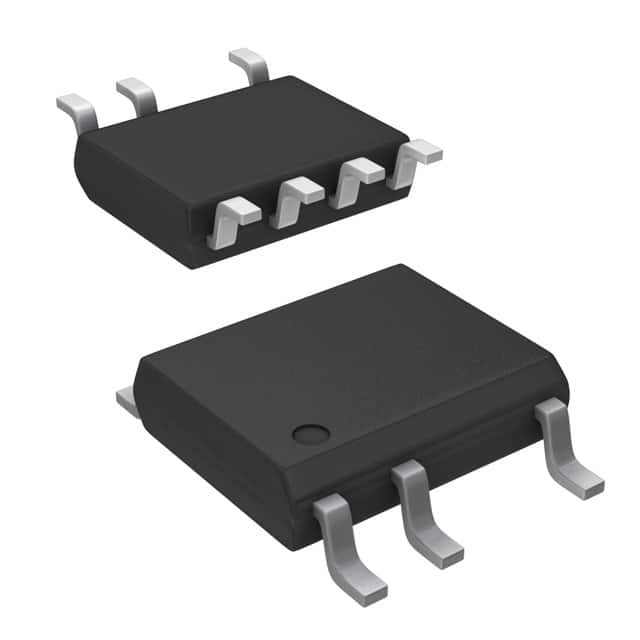
-
LNK304DN-TL Power Integrations
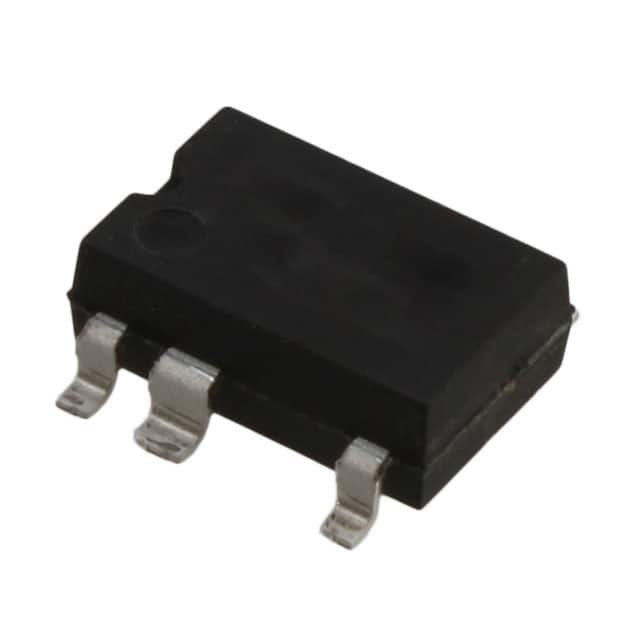
-
LNK304GN-TL Power Integrations
-
LNK304DG-TL Power Integrations
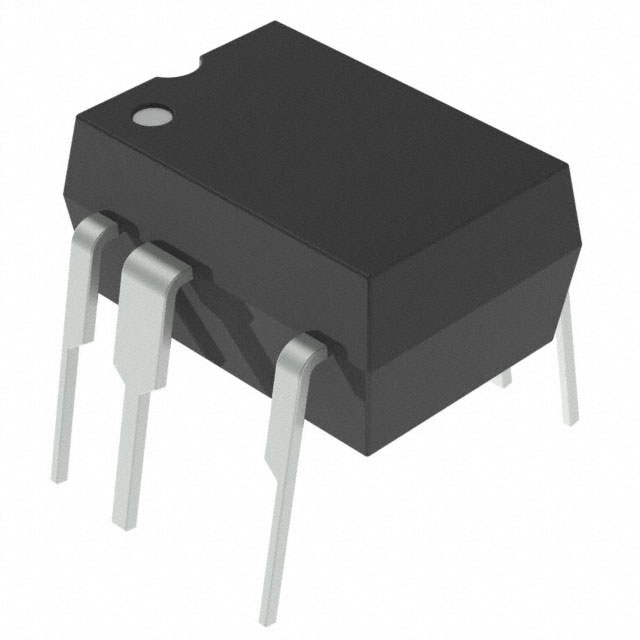
-
TNY277PN Power Integrations
-
TNY276PN Power Integrations
-
TNY278PN Power Integrations
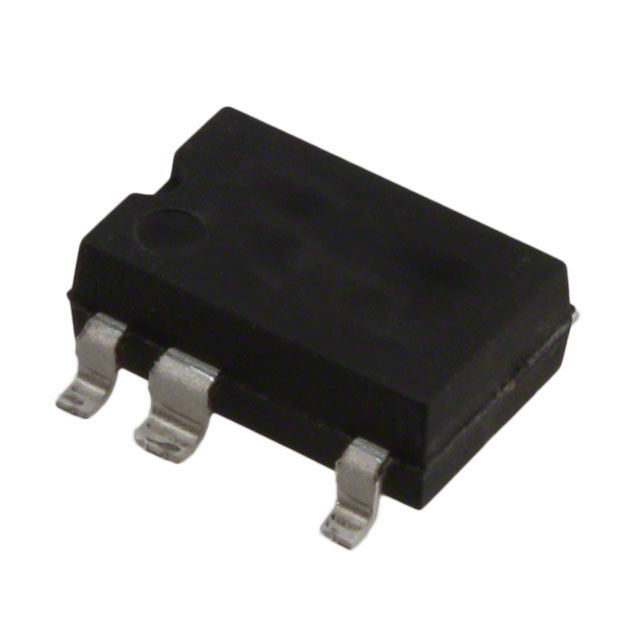
-
TNY278GN-TL Power Integrations
-
TNY280GN-TL Power Integrations
-
TOP266KG-TL Power Integrations
-
TOP258PN Power Integrations
-
TOP253PN Power Integrations
-
TOP253PNAU Power Integrations

- 1500+ Daily average RFQ Volume

- 20,000.000 Standard Product Unit

- 1800+ Worldwide Manufacturers

- 15,000+ In-stock Warehouse