NCV4266 vs NCV4264 vs NCP1117 — Automotive vs Commercial LDO Selection Guide
NCV4266 vs NCV4264 vs NCP1117 — Automotive vs Commercial LDO Selection Guide | ICMASS
All three are onsemi SOT-223 LDOs. The choice comes down to three questions: automotive or commercial? 5V or 3.3V? Battery-powered or mains? The NCV4266 and NCV4264 are AEC-Q100 automotive parts with -42V reverse-battery and 45V input ceilings. The NCP1117 is a commercial 1A workhorse at a much lower cost.
NCV4266 vs NCV4264 vs NCP1117: Side-by-Side Comparison
| Parameter | NCV4266-2CST50T3G | NCV4264-2CST33T3G | NCP1117ST33T3G |
|---|---|---|---|
| Manufacturer | onsemi | onsemi | onsemi |
| Output Voltage | 5V fixed | 3.3V fixed | 3.3V fixed |
| Output Current | 150mA | 100mA | 1A |
| Max Input Voltage | 45V | 45V | 20V |
| Dropout Voltage (typ) | 230mV @ 100mA | 230mV @ 100mA | 1.07V @ 800mA |
| Quiescent Current (typ) | 60µA | 33µA | 6–10mA |
| Shutdown Current | <1µA (via EN) | N/A (no EN pin) | N/A (no EN pin) |
| Output Accuracy | ±2% | ±2% | ±1% |
| PSRR @ 100Hz | 68dB | 67dB | 64dB |
| Enable Pin | Yes | No | No |
| Pin Count / Package | 4-pin SOT-223 | 3-pin SOT-223 | 3-pin SOT-223 |
| Reverse Battery Protection | -42V | -42V | None |
| Temp Range | -40 to +150°C | -40 to +150°C | 0 to +125°C |
| AEC-Q100 Qualified | Grade 1 | Grade 1 | No |
| PPAP Capable | Yes | Yes | No |
| Output Capacitor | 22µF ceramic OK | 10µF; needs ESR | 10µF tantalum; needs ESR |
| Relative Cost (1ku) | $$ Mid | $$ Mid | $ Low |
Capability Heat Map — Stronger = darker green
Key Differences
1. Automotive Qualification: The Biggest Divide
The NCV4266 and NCV4264 carry AEC-Q100 Grade 1 certification. That means they're tested and characterized for -40°C to +150°C junction operation, PPAP production-part approval, and full traceability. The NCP1117 has none of that. It's rated 0°C minimum — fine for indoor electronics, not for a car parked outside in January.
The reverse-battery spec tells the same story. NCV4266 and NCV4264 survive -42V at the input indefinitely. Connect a battery backwards and they don't care. The NCP1117 has no reverse-battery protection. A reversed connection destroys it instantly.
2. Quiescent Current: The Silent Battery Killer
NCV4264: 33µA. NCV4266: 60µA. NCP1117: 10,000µA. In an always-on ECU with a 45Ah battery, the NCV4264 self-consumes 0.8mAh per day. The NCP1117 burns 240mAh per day — 300× more.
For a mains-powered router, that's a rounding error. For a telematics unit parked at the airport for two weeks, it's the difference between "starts" and "call roadside assistance."
3. The Enable Pin: Software Control or Always-On
Only the NCV4266 has an enable pin. Pull it low and the LDO shuts down to <1µA. Pull it high and the output comes up. You can sequence power rails, implement sleep modes, or kill power to peripherals in deep sleep.
The NCV4264 and NCP1117 are always on whenever input voltage is present. Simpler BOM, zero software control.
4. Output Current and Thermal Reality
The NCP1117 wins on headline current: 1A vs 150mA vs 100mA. But the thermal math complicates the picture. At 12V in with 5V out, the NCP1117 dissipates 7W at 1A — impossible for SOT-223 without a heatsink.
The NCV4266 at 150mA dissipates 1.05W — manageable with PCB copper. The real current ceiling for any SOT-223 LDO is set by input voltage, not the datasheet's absolute maximum.
When to Choose Each LDO
Choose NCV4266 when: You're building an automotive ECU needing a 5V rail with software-controlled shutdown. Body control modules, sensor interfaces, LIN/CAN supplies — the EN pin cuts power to <1µA in sleep. The 45V input and -42V reverse-battery cover every electrical threat a 12V automotive bus can throw at it.
Choose NCV4264 when: You need a permanently-on 3.3V rail in an automotive device where battery life matters. Immobilizers, RKE receivers, sensor nodes at 50µA total — the 33µA Iq disappears into the noise floor. No EN pin means one less GPIO. Just know the ESR requirement on the output cap.
Choose NCP1117 when: Automotive doesn't matter, the device runs from mains, and you need 500mA–1A at 3.3V. Consumer electronics, set-top boxes, industrial HMIs, 3D printer controllers — classic 1117 territory. It's the cheapest option by a wide margin. The 10mA Iq is irrelevant on mains power.
Mix and match: Many ECUs use both families. An NCV4266 for the 5V always-on rail, an NCV4264 for the 3.3V sensor reference, and an NCP1117 on the infotainment board that's only powered when the ignition is on. Same manufacturer, same package family, different specifications for different jobs.
Frequently Asked Questions
Q1: Can I replace an NCP1117 with an NCV4264 to make my design automotive-grade?
A: Not directly. The NCV4264 only delivers 100mA vs the NCP1117's 1A. If your load is under 100mA, the NCV4264 gives you AEC-Q100 qualification, -42V reverse-battery protection, and 45V input range in the same SOT-223 footprint. But check your current budget first. Most 1117 applications draw 300–800mA — far beyond the NCV4264's ceiling.
Q2: Why would I use NCV4264 instead of NCV4266?
A: Lower quiescent current (33µA vs 60µA) and simpler BOM (3-pin vs 4-pin). If you don't need the enable pin and you're running at 3.3V, the NCV4264 is the better part. If you need 5V output, software shutdown, or more than 100mA, the NCV4266 is the right choice.
Q3: Are all three pin-compatible?
A: No. The NCV4266 is 4-pin SOT-223 (IN/GND/EN/OUT). The NCV4264 and NCP1117 are 3-pin SOT-223 (IN/GND/OUT), but with different pin assignments. The NCV4264 and NCP1117 share the same 3-pin count, but verify the exact pinout before swapping. Pin 1 on the NCV4264 is IN; pin 1 on the NCP1117 is GND. They are not drop-in replacements for each other.
Q4: Which one should I use for a 24V truck system?
A: NCV4266 or NCV4264. The 45V input ceiling handles 24V truck alternator voltages (28V nominal) with margin for load-dump transients. The NCP1117's 20V max input is insufficient for any 24V system. A 28V alternator voltage exceeds the NCP1117's absolute maximum. Use the automotive parts for anything above 20V.
Q5: Do any of these need a heatsink?
A: It depends on power dissipation, not which part number. Power = (VIN - VOUT) × ILOAD. Below 0.5W, PCB copper alone is sufficient for all three. Above 1W, add copper area or a heatsink. The NCP1117 at 1A with a high dropout voltage generates the most heat and is the most likely to need thermal management. At their rated currents (100–150mA), the NCV parts rarely need heatsinking unless the input voltage is very high.
Q6: What output capacitor should I use with each?
A: NCV4266: 22µF ceramic (MLCC OK). NCV4264: 10µF with some ESR — tantalum recommended, or ceramic + series resistor. NCP1117: 10µF tantalum min; ceramic with added ESR. The NCV4266 is the most forgiving with output capacitance. The NCV4264 and NCP1117 both require minimum ESR for loop stability. Pure low-ESR ceramics can oscillate on these two parts.
Related Products
Related information




-
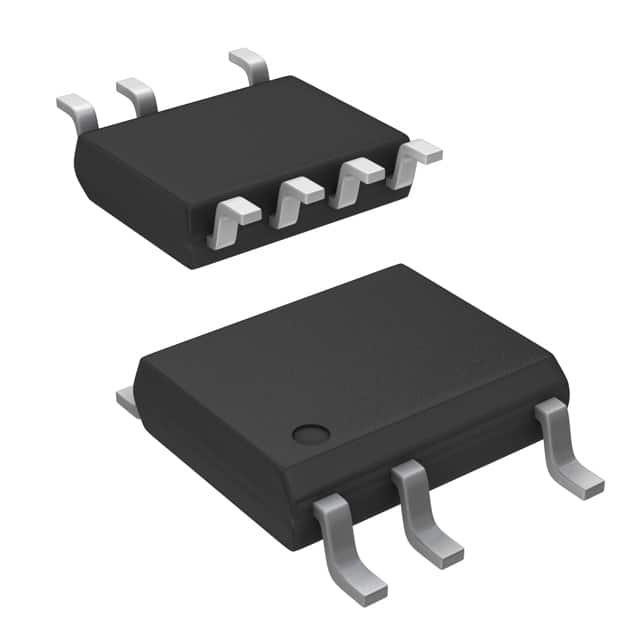
LNK304DN-TL Power Integrations
-
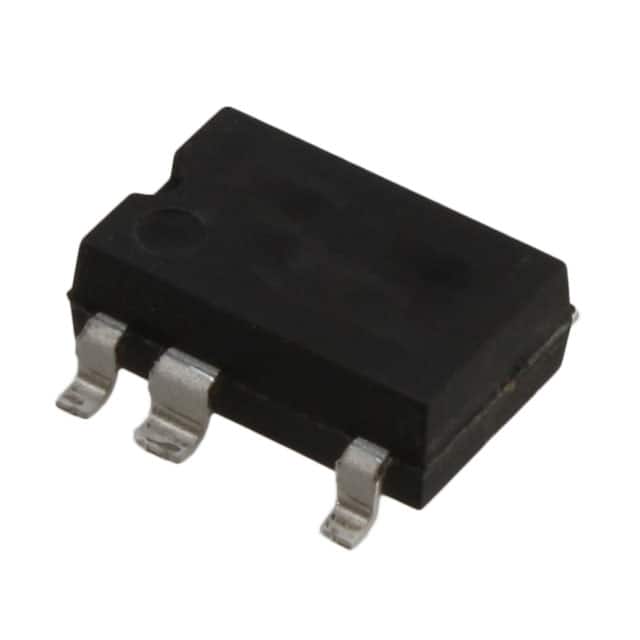
LNK304GN-TL Power Integrations
-
LNK304DG-TL Power Integrations
-
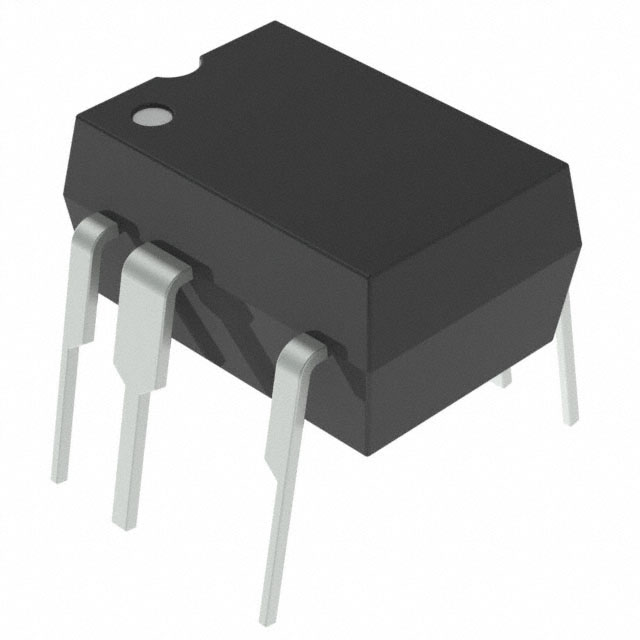
TNY277PN Power Integrations
-
TNY276PN Power Integrations
-
TNY278PN Power Integrations
-
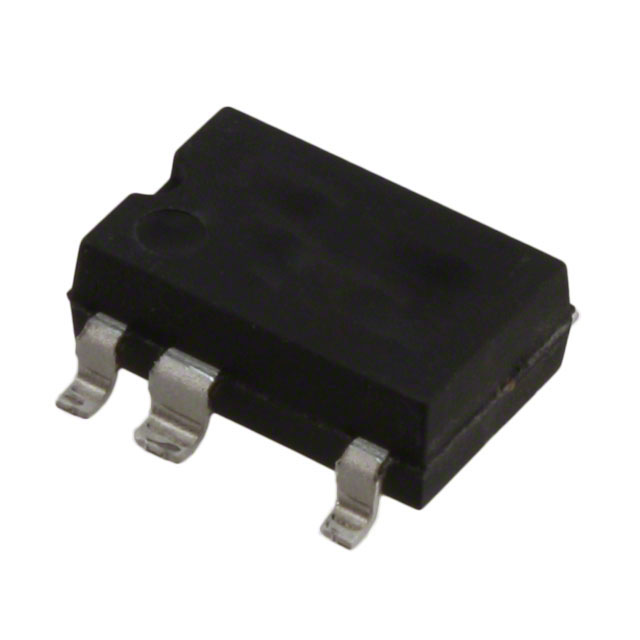
TNY278GN-TL Power Integrations
-
TNY280GN-TL Power Integrations
-
TOP266KG-TL Power Integrations
-
TOP258PN Power Integrations
-
TOP253PN Power Integrations
-
TOP253PNAU Power Integrations

- 1500+ Daily average RFQ Volume

- 20,000.000 Standard Product Unit

- 1800+ Worldwide Manufacturers

- 15,000+ In-stock Warehouse