LM317 vs LM317L — Full Comparison & Selection Guide
LM317 vs LM317L — Full Comparison & Selection Guide | ICMASS
Same control loop, different muscles. The LM317 and the LM317L share the 1.25V reference and the same resistor-divider math, but the “L” is a 100mA part in SOIC-8 while the full-size LM317 pushes 1.5A from a TO-220.
The wrong pick hurts both ways: an LM317L in a 300mA supply hits its current limit, and an LM317 holding a 15mA bias rail eats board space plus a 10mA minimum-load headache the “L” doesn't have.
LM317 vs LM317L: Side-by-Side Comparison
| Parameter | LM317 (full-size) | LM317L |
|---|---|---|
| Output Current | 1.5A (LM317M mid-tier: 0.5A) | 100mA min guaranteed |
| Current Limit | Internal, tracks to 1.5A+ | 100 / 200 / 300mA (min / typ / max) |
| Reference Voltage | 1.25V typ (1.2–1.3V) | 1.25V typ (±4%) |
| Output Voltage Range | 1.25V to 37V | 1.25V up, per the same divider |
| Max Input-Output Differential | 40V | 40V |
| Minimum Load Current | 3.5mA typ / 10mA max | 3.5mA typ / 5mA max |
| Adjust Pin Current | 50µA typ / 100µA max | 50µA typ / 100µA max |
| Line Regulation | 0.01%/V typ | 0.01%/V typ (0.04%/V max) |
| Load Regulation | 0.1%/VO typ | 0.1% typ (5mV for VO ≤ 5V) |
| Ripple Rejection | 80dB @120Hz with CADJ = 10µF (∼65dB without) | 80dB @120Hz with CADJ = 10µF (∼65dB without) |
| Dropout Voltage | ∼2V typ, 2.5V worst case | Only “up to 2.5V” spec’d, no published curve |
| Operating Temp (TI) | 0 to +125°C (junction) | −40 to +125°C (LM317L-N) |
| Operating Temp (onsemi) | — | 0 to +125°C commercial |
| Packages | TO-220, D2PAK, SOT-223, TO-92 | SOIC-8, TO-92 |
| Power Dissipation | Heatsink-dependent | 625mW max (SOIC-8) |
| Pinout | 1 = ADJ, 2 = OUT, 3 = IN | 1 = VIN, 2/3/6/7 = VOUT, 4 = ADJ, 5/8 = NC |
| Protection | Current limiting + thermal shutdown | Current limiting + thermal shutdown |
| Best For | 0.5–1.5A supplies, chargers, bench rails | Bias rails, 4-20mA loops, op-amp supplies |
Key Differences
Output Current: 15x Apart, With a Middle Tier
TI's own family runs LM317 at 1.5A, LM317M at 0.5A, LM317L at 100mA. And the LM317L's current limit is a band — 100mA min, 300mA max. A batch can land anywhere inside, so you design to 100mA and treat extra as margin, never as spec.
Minimum Load: 10mA vs 5mA Is the Sneaky One
Both regulators return their internal bias current through the output pin, so an idle output floats up without a minimum load. The LM317L needs 5mA worst case; the LM317 needs 10mA. The classic 240Ω divider pulls only 5.2mA — fine for the “L”, short for the big one.
Dissipation: The “L” Runs Out of Watts Before Milliamps
The SOIC-8 LM317L is rated 625mW. At a 40V differential that allows roughly 15mA — the 100mA rating only lives at small input-output gaps. The heatsinked TO-220 is where actual watts belong.
Temperature and Footprint: The Small Part Wins One
The TI LM317L-N is rated −40 to +125°C, colder than the LM317's own 0°C floor — useful for outdoor nodes and cold-start gear. Watch the vendor, though: onsemi's commercial LM317L stays at 0 to +125°C. And the footprints never interchange: three TO-220 legs versus an SOIC-8 fan-out.
When to Choose LM317 / When to Choose LM317L
Choose the LM317 when the rail must source more than 100mA, when a heatsink is already in the mechanical design, when you charge batteries or run a bench supply, and when the 240Ω divider plus a real load keeps the 10mA minimum honest.
Choose the LM317L when the load is under 100mA and the board is dense, when the supply is a 4-20mA transmitter or op-amp rail that idles near zero, when you need −40°C cold starts, and when dual-sourcing matters — TI and onsemi LM317L parts are pin-for-pin.
Frequently Asked Questions
Q1: Are the LM317 and LM317L the same chip?
A: No — same control loop, different output stage. Both hold a 1.25V reference and use the same Vout = 1.25(1 + R2/R1) formula, but the LM317 sources 1.5A from TO-220 while the LM317L tops out at 100mA in SOIC-8 or TO-92.
Q2: Can I replace an LM317 with an LM317L?
A: Only below 100mA and inside the SOIC-8's 625mW ceiling — at a 40V differential that means roughly 15mA of output. And the packages differ, so you're relaying out the board, not swapping a footprint.
Q3: Can I replace an LM317L with an LM317?
A: Electrically yes, and it's the common quick fix — but the full-size part brings a 10mA worst-case minimum load (the “L” needs only 5mA) and a TO-220 footprint. On a 15mA bias rail it's more iron than the job needs.
Q4: Why does the LM317 need 10mA of minimum load?
A: Its internal bias current returns through the output pin, so regulation needs a minimum load or the output floats up. Worst case is 10mA. The classic 240Ω divider pulls only 5.2mA — designs that idle below 10mA drop R1 toward 120Ω.
Q5: Do they share a pinout?
A: No. The TO-220 LM317 runs ADJ on pin 1, OUT on pin 2, IN on pin 3. The SOIC-8 LM317L puts VIN on pin 1, VOUT on 2/3/6/7, ADJ on 4, NC on 5/8. The “L” itself is pin-for-pin between TI and onsemi — that swap works.
Q6: Which one has lower dropout?
A: Neither wins. The LM317 is about 2V typical (2.5V worst case), and the LM317L datasheet only says “up to 2.5V” with no published curve — TI's E2E forum confirms the full characteristic was never characterized. If dropout is the deciding spec, you want an LDO, not either of these.
Q7: Which one suits a 4-20mA transmitter?
A: The LM317L. Loop currents max out at 20mA, so a 1.5A regulator is dead weight, and the SOIC-8 fits DIN-rail modules. Published 4-20mA converter designs built on the LM317L claim 0.02% linearity.
Q8: Is the LM317M a third option?
A: Yes — TI's tiering runs LM317 at 1.5A, LM317M at 0.5A, LM317L at 100mA. If your rail sits between 100mA and 500mA, the “M” is the honest middle instead of forcing a 1.5A part onto a 300mA rail.
Related information




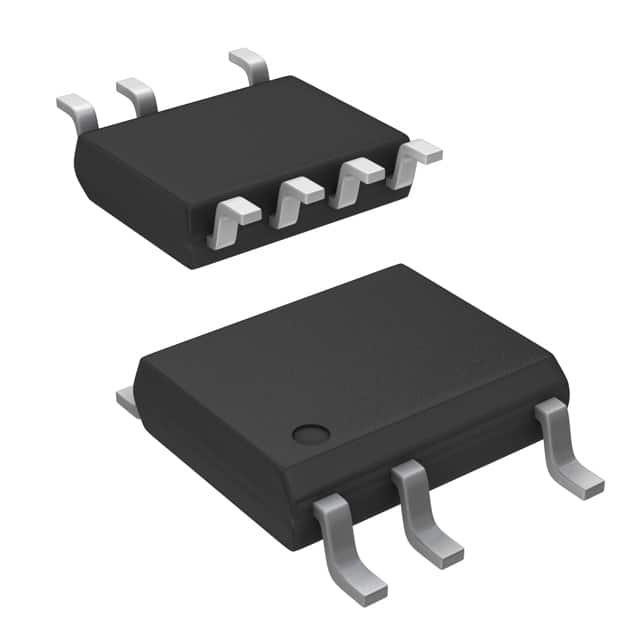
-
LNK304DN-TL Power Integrations
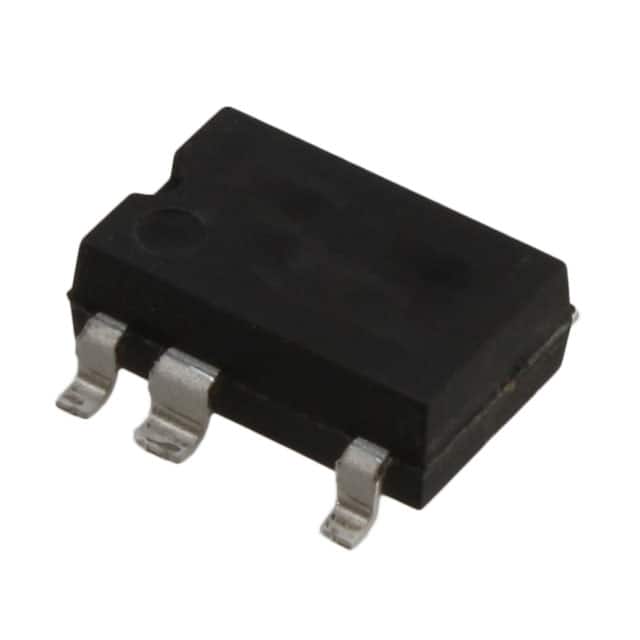
-
LNK304GN-TL Power Integrations
-
LNK304DG-TL Power Integrations
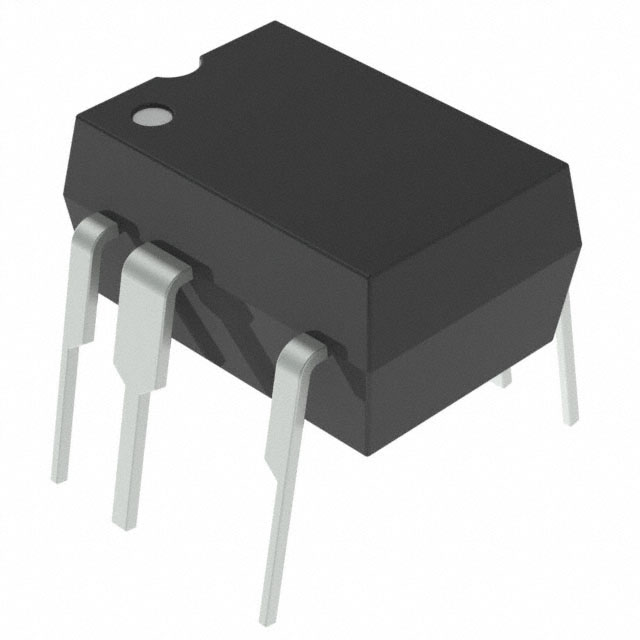
-
TNY277PN Power Integrations
-
TNY276PN Power Integrations
-
TNY278PN Power Integrations
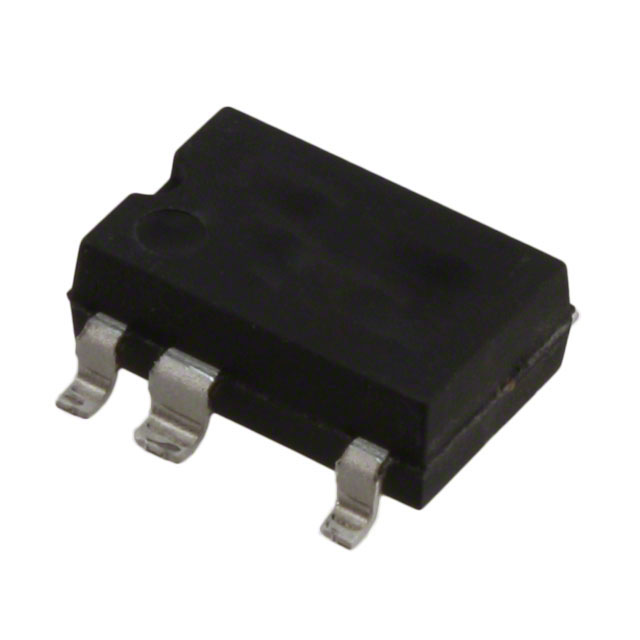
-
TNY278GN-TL Power Integrations
-
TNY280GN-TL Power Integrations
-
TOP266KG-TL Power Integrations
-
TOP258PN Power Integrations
-
TOP253PN Power Integrations
-
TOP253PNAU Power Integrations

- 1500+ Daily average RFQ Volume

- 20,000.000 Standard Product Unit

- 1800+ Worldwide Manufacturers

- 15,000+ In-stock Warehouse