1N5819 Equivalent, Alternative & Replacement Guide
1N5819 Equivalent, Alternative & Replacement Guide
The 1N5819 is a 1A, 40V Schottky rectifier in an axial DO-41 body - the default flyback and reverse-protection diode on low-voltage boards. When the design changes, the diode changes too: SMD lines take SS14, heavier loads take SS24.
This guide runs the 1N5819 against its true drop-ins, plus the traps - starting with the classic mistake, an 1N4007 where speed matters.
1N5819 vs SS14 vs SS24: Full Comparison
| Parameter | 1N5819 | SS14 | SS24 |
|---|---|---|---|
| Type | Schottky rectifier, guard ring | Schottky rectifier | Schottky rectifier |
| Package | DO-41 (DO-204AL) axial | SMA (DO-214AC) | SMA (DO-214AC) |
| Mounting | Through-hole, hand assembly | Surface mount, reflow | Surface mount, reflow |
| VRRM | 40V | 40V | 40V |
| IF(AV) | 1A | 1A | 2A |
| VF max @ 1A | 0.55V (ST) / 0.60V (Vishay) | 0.50V | ∼0.50V |
| Surge IFSM | 25A (8.3ms) | 30A (vendor-dependent) | - |
| Reverse Leakage @ 40V | 100µA (Yangjie) / 500µA (ST) | 200–300µA | - |
| Recovery | Schottky - negligible | Schottky - negligible | Schottky - negligible |
| Junction Temp Max | 150°C (ST) / 125°C (onsemi) | 125°C (vendor-dependent) | - |
| Marking | "1N5819" + cathode band | "SS14" + cathode stripe | "SS24" (S4) + stripe |
| Series Ladder | 1N5817/18/19 (20/30/40V) | SS1x family (1A) | SS2x family (2A, 20–60V) |
| Thermal Path | Leads into board | Pads into board | Pads - 2A wants pad copper |
| Best For | Hand builds, repairs, low-voltage flyback | Pick-and-place, same job | 2A headroom, same footprint |
The short version: SS14 is the drop-in when the board went surface-mount - same 1A and 40V, marginally lower VF. SS24 is the upgrade when the load crept past 1A and the SMA pads already exist. Nobody changes the circuit, only the package or the margin.
When to Use SS14
When the design is on pick-and-place and the current is 1A or less. SS14 matches the 1N5819 electrically and adds what a production line actually needs: tape-and-reel, reflow, no lead forming.
When to Use SS24
When the average current is near 1A and peaks push past it. The 2A rating buys surge headroom in the same SMA footprint - but only with real pad copper under the part.
When NOT to Use a 1A/40V Schottky at All
Any rail that can spike above 40V, even briefly. Inductive loads ring, and a Schottky has no voltage margin to absorb it. Then the slow 1N4007 blocks 1000V but recovers too slowly for switching; the UF4007 fast-recovery diode is the part that does both.
Pinout & Layout Notes
Polarity is the whole pinout. Two terminals: the DO-41's cathode band and the SMA's cathode stripe both mark the cathode. In a freewheel position a flipped diode conducts straight across the supply - the classic smoke test, so check the band against the schematic symbol before soldering either way.
Keep the freewheel loop tight. Switch node, diode, and input cap should sit within a few millimetres. The spike energy lives in that loop; the longer it gets, the more it radiates and the harder the diode works.
Pad copper is the heatsink. The SMA has no leads to shed heat, so the pads do the work. If you moved from 1N5819 to SS24 expecting thermal relief, add copper - otherwise the extra current rating never shows up.
Other Alternatives Worth Knowing
- 1N5817 / 1N5818 - the 20V and 30V tiers of the same family, with VF dropping to 0.45V max on the 1N5817. If the rail never sees 30V, take the lower loss.
- SB140 - same 1A/40V spec in the same DO-41 body from other vendor families. A sourcing twin, not a design change.
- SS34 - the 3A tier in SMA for designs that outgrew even the SS24.
- UF4007 - fast-recovery silicon when the rail needs both speed and 1000V blocking.
- BAT54S - a dual Schottky in SOT-23 for signal-level clamping and protection, where 200mA is plenty.
Frequently Asked Questions
Q1: What is the SMD equivalent of the 1N5819?
A: The SS14 - same 1A average current and 40V reverse rating in an SMA (DO-214AC) package, with a marginally lower max forward voltage. Electrically interchangeable; physically a different board.
Q2: Can I replace 1N5819 with SS14?
A: Yes, in almost every circuit. Both are 1A/40V Schottkys. The real work is layout: SMA pads, reflow profile, and pad copper as the heatsink instead of axial leads. Electrically there's nothing to re-derate.
Q3: What's the difference between 1N5817, 1N5818, and 1N5819?
A: Reverse voltage tiers - 20V, 30V, 40V - and the max forward voltage rises with each tier: 0.45V, 0.55V, 0.60V at 1A. Same 1A current, same DO-41 body. Take the lowest tier your rail allows.
Q4: Can I use 1N4007 instead of 1N5819?
A: Not in switching circuits. The 1N4007 is a PN diode recovering in microseconds (2–30µs reports) against the Schottky's nanoseconds - roughly 400x slower, so flyback and converter duty is out. It wins only where blocking exceeds 40V at low frequency.
Q5: Why is the 1N5819 the standard flyback diode?
A: Majority-carrier conduction. A Schottky stores no minority charge, so it switches in nanoseconds and clamps inductive spikes the instant they appear, while its low forward drop keeps circulating losses small. That combination is exactly what a freewheel diode does all day.
Q6: How much reverse leakage does a 1N5819 have?
A: Vendor-dependent: 100µA (Yangjie) to 500µA (ST) at 40V - and it climbs hard with temperature. That's the Schottky trade: speed for leakage. High-temperature, low-current precision circuits should look elsewhere.
Q7: Can SS24 replace a 1N5819?
A: Yes - it's the 2A upgrade in the same SMA footprint. Same 40V rating, double the current, with the same caveat as every SMA part: the rating assumes pad copper carries the heat. On a 1A design it's pure headroom.
Q8: Which end of the 1N5819 is the cathode?
A: The banded end - the silver stripe on the DO-41 body marks the cathode, matching the SMA's cathode stripe on SS14/SS24. In freewheel duty the cathode faces the positive supply and the anode faces the switched side.
Related information




-
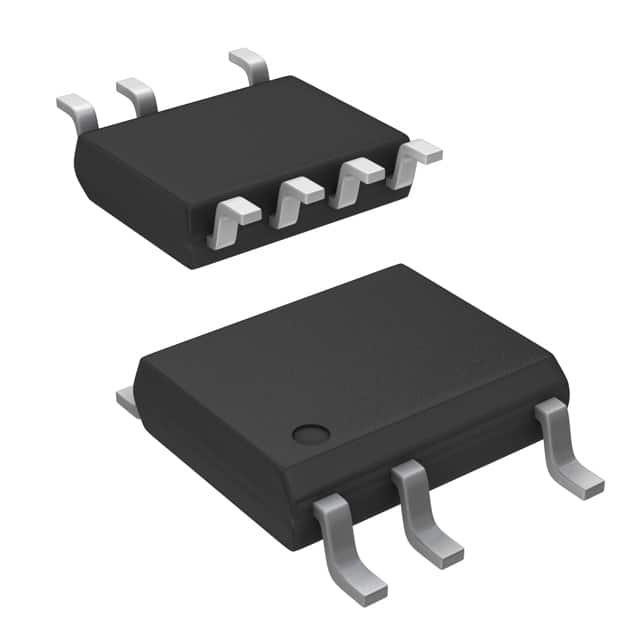
LNK304DN-TL Power Integrations
-
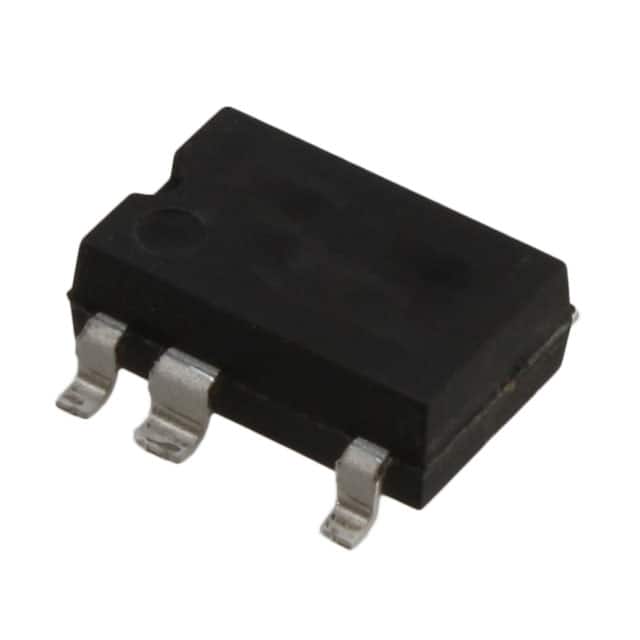
LNK304GN-TL Power Integrations
-
LNK304DG-TL Power Integrations
-
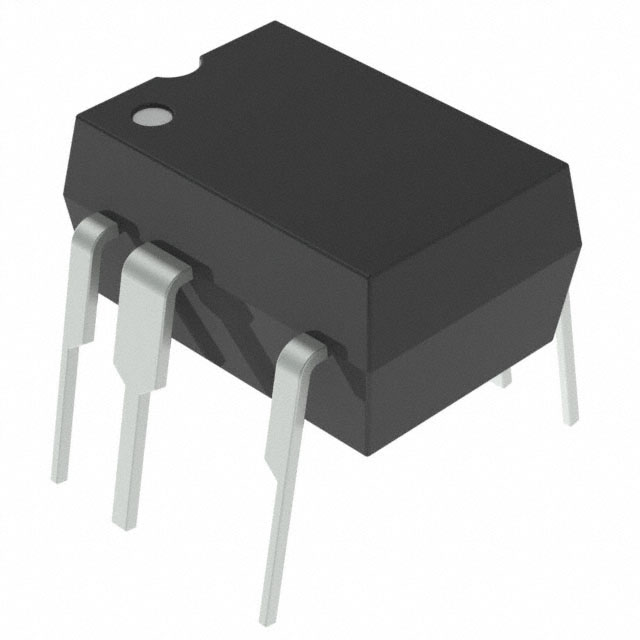
TNY277PN Power Integrations
-
TNY276PN Power Integrations
-
TNY278PN Power Integrations
-
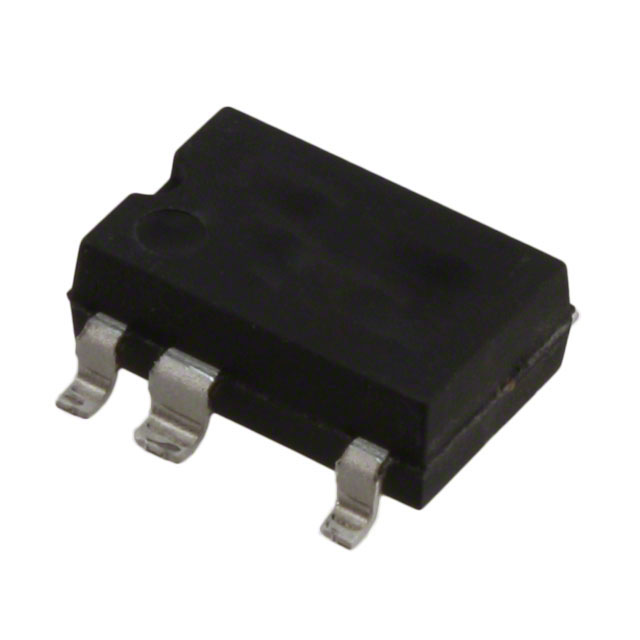
TNY278GN-TL Power Integrations
-
TNY280GN-TL Power Integrations
-
TOP266KG-TL Power Integrations
-
TOP258PN Power Integrations
-
TOP253PN Power Integrations
-
TOP253PNAU Power Integrations

- 1500+ Daily average RFQ Volume

- 20,000.000 Standard Product Unit

- 1800+ Worldwide Manufacturers

- 15,000+ In-stock Warehouse