BZX84 vs BZT52H vs BZX55C — Zener Diode Series Comparison & Selection Guide
BZX84 vs BZT52H vs BZX55C - Zener Diode Series Comparison & Selection Guide | ICMASS
Three Zener series, same function, three packages for three jobs. BZX84 (SOT-23, 250mW) is the SMD default. BZT52H (SOD-123F, 375/830mW) fits where BZX84 overheats. BZX55C (DO-35, 500mW) is for breadboards, repairs, and through-hole footprints.
The electrical specs overlap. The difference is thermal, mechanical, and logistical. Pick wrong and you're burning a part too small, or wasting board space on one too big.
BZX84 vs BZT52H vs BZX55C: Side-by-Side Comparison
Data sourced from Nexperia BZX84 series datasheet (Rev. 7, Jan 2023), Nexperia BZT52H series datasheet (Rev. 7, Jan 2023), and Vishay BZX55C series datasheet.
| Parameter | BZX84 (SOT-23) | BZT52H (SOD-123F) | BZX55C (DO-35) |
|---|---|---|---|
| Package | SOT-23 (3-pin SMD) | SOD-123F (2-pin SMD, flat leads) | DO-35 (2-pin axial through-hole) |
| Footprint | ~9mm² | ~6mm² | ~15mm² (body + lead bends) |
| Power (standard) | 250mW | 375mW | 500mW |
| Power (optimized) | N/A | 830mW (1cm² Cu pad) | N/A (leads are the heatsink) |
| Zener Impedance (typ, 16V) | 40Ω | 20Ω | 20Ω |
| Leakage Current (16V) | 50nA @ 11.2V | 50nA @ 11.2V | 100nA @ 11.2V |
| Voltage Range | 2.4V–75V (E24) | 2.4V–75V (E24) | 2.4V–200V (E24) |
| Tolerance Grades | A ±1%, B ±2%, C ±5% | A ±1%, B ±2%, C ±5% | B ±2%, C ±5% |
| Tempco (<5V / >6V) | Negative / Positive | Negative / Positive | Negative / Positive |
| Junction Temp (max) | 150°C | 150°C | 175°C |
| AEC-Q101 | Via BZX84-Q variant | Yes (standard) | No |
| Assembly | Pick-and-place, reflow | Pick-and-place, reflow | Hand solder / wave solder |
| Hand-Solder Friendly | Manageable (gull-wing) | Harder (flat leads) | Easiest (axial leads) |
| Cost (1k qty, 16V C-grade) | $0.01–$0.02 | $0.01–$0.02 | $0.015–$0.03 |
| Reel Qty | 3,000 | 3,000 | 5,000 (tape/ammo) |
Key Differences
Package & Assembly: SMD vs Through-Hole Is the Real Decision
BZX84 and BZT52H are SMD, pick-and-place, reflow. BZX55C is through-hole - hand-solder or wave. Fully SMD production? BZX55C adds a secondary step. Repairing vintage gear or breadboarding? DO-35 is faster than hunting for SOT-23 breakout boards.
Thermal Performance: The Hidden BZT52H Advantage
BZX84 at 250mW works for signal-level Zeners. But shunt 20mA at 12V (240mW) and you're at the limit. BZT52H at 375mW gives 50% headroom. With copper pour: 830mW — more than through-hole BZX55C. The flat-lead SOD-123F dumps heat into the PCB better than SOT-23 gull-wing leads.
Impedance & Regulation: BZT52H Beats BZX84 at Every Voltage
Per their respective datasheets: at 16V, BZX84-C16 has 40Ω ZZT, BZT52H-C16 has 20Ω. Half the impedance, half the voltage shift per bias change. BZX55C matches BZT52H on impedance (20Ω per Vishay datasheet) but uses twice the board space. For precision analog, BZT52H wins on both.
Voltage Range: BZX55C Goes to 200V
BZX84 and BZT52H stop at 75V. Need 100V or 200V? BZX55C is the only option. But above 75V, impedance climbs sharply (BZX55C100: 450Ω, BZX55C200: 2,000Ω). At these voltages, a series string or a TVS diode may be better.
When to Choose Each Series
Choose BZX84 (SOT-23) when:
- Signal-level applications under 200mW - references, clamps, level shifters
- Your PCB is already laid out for SOT-23 and the design is locked
- You need A-grade ±1% tolerance for precision references
- Cost is the primary driver and 250mW is adequate
Choose BZT52H (SOD-123F) when:
- Power is 250–500mW - BZX84 can't handle it, BZX55C is too big
- You're starting a new SMD design and want the better thermal part from day one
- Board space is tight and every mm² counts
- You need AEC-Q101 qualification without hunting for a -Q variant
Choose BZX55C (DO-35) when:
- You need voltages above 75V (up to 200V)
- Through-hole assembly is required - repair, breadboard, legacy production line
- Hand-solderability matters more than board density
- You need 500mW without relying on PCB copper for heatsinking
Frequently Asked Questions
Q1: What's the actual difference between BZX84, BZT52H, and BZX55C Zener series?
A: Package and power - the silicon is nearly identical. This question mirrors an EEVblog discussion comparing BZX84 vs MMBZ52 series, where the forum consensus was: same electrical behavior, different packaging origins. BZX84 (SOT-23, 250mW) and BZT52H (SOD-123F, 375mW) are both SMD, with BZT52H handling 50% more power in a smaller footprint. BZX55C (DO-35, 500mW) is the through-hole option. Per manufacturer published specifications, at the same Zener voltage all three regulate identically - the difference is thermal and mechanical, not electrical.
Q2: What do the A, B, and C suffixes mean on BZX84 and BZT52H parts?
A: Tolerance grade. A = ±1%, B = ±2%, C = ±5%. Per an EEVblog discussion, C-grade is the most stocked and cheapest. Per Nexperia datasheet, B-grade tightens the window from ±5% to ±2%. For gate clamping at 12V, C-grade (15.2–16.8V) is fine. For precision comparator thresholds, B-grade (15.68–16.32V) is worth the premium. A-grade exists but is harder to source. BZX55C only offers B and C grades.
Q3: Why would my Zener measure a much higher voltage than its rating?
A: You're probably running way above the test current. On the All About Circuits forum, a user reported a BZX84-3V3 measuring 7V instead of 3.3V - they pushed 100mA through a part spec'd at 5mA. The BZX84 has ~95Ω dynamic impedance at IZT. At 20× rated current, the IR drop adds volts. Per Nexperia datasheet, Zener voltage is specified at IZT (5mA for most BZX84/BZT52H). Run near that current.
Q4: Why would I still use through-hole BZX55C in 2026?
A: High voltage, repairability, and legacy production. An AudioKarma forum discussion found a user who needed a 31V through-hole Zener at a specific power rating - not available in SMD. DO-35 goes to 200V where BZX84/BZT52H stop at 75V. Through-hole is easier to field-replace. And some MIL-spec and industrial lines still mandate through-hole for inspection access.
Q5: Can I drop a BZT52H into a BZX84 footprint?
A: No - different land patterns. As confirmed by an ovaga.com component comparison, BZX84 (SOT-23, 3-pin) and BZT52H (SOD-123F, 2-pin) have completely different PCB footprints. A board designed for SOT-23 cannot accept SOD-123F without a layout change. For locked SOT-23 designs, stay with BZX84. For new layouts, BZT52H is the better thermal choice at the same cost.
Q6: Does BZT52H really hit 830mW - more than a through-hole part?
A: Yes - with a 1cm² copper pour. Per the Nexperia BZT52H datasheet, power dissipation doubles from 375mW to 830mW with a 1cm² copper area on the cathode pad. The flat-lead SOD-123F dumps heat into the PCB more efficiently than DO-35's axial leads. Without the copper pour, it's 375mW - still 50% above BZX84's 250mW.
Related Products
Related information
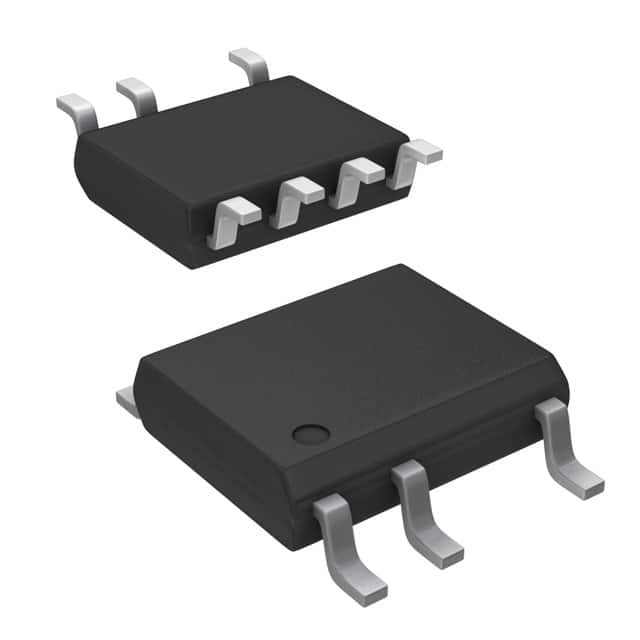
-
LNK304DN-TL Power Integrations
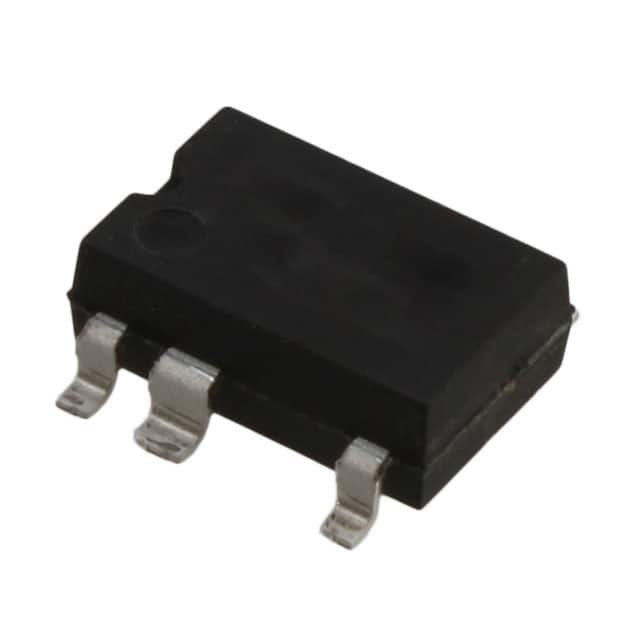
-
LNK304GN-TL Power Integrations
-
LNK304DG-TL Power Integrations
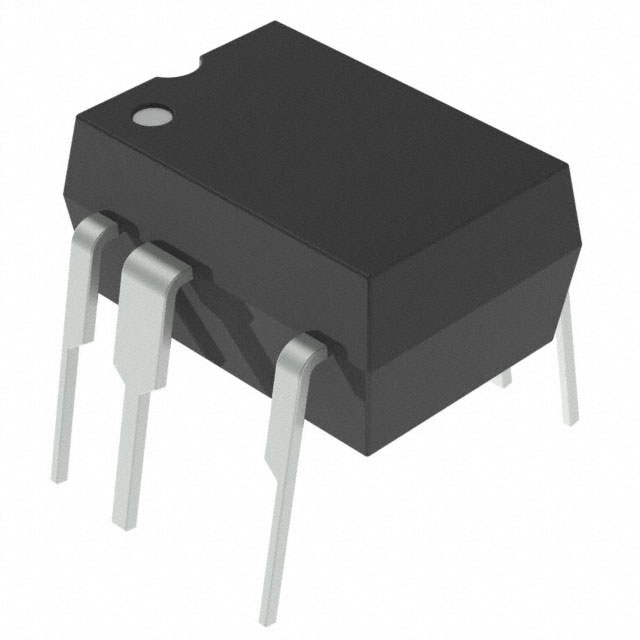
-
TNY277PN Power Integrations
-
TNY276PN Power Integrations
-
TNY278PN Power Integrations
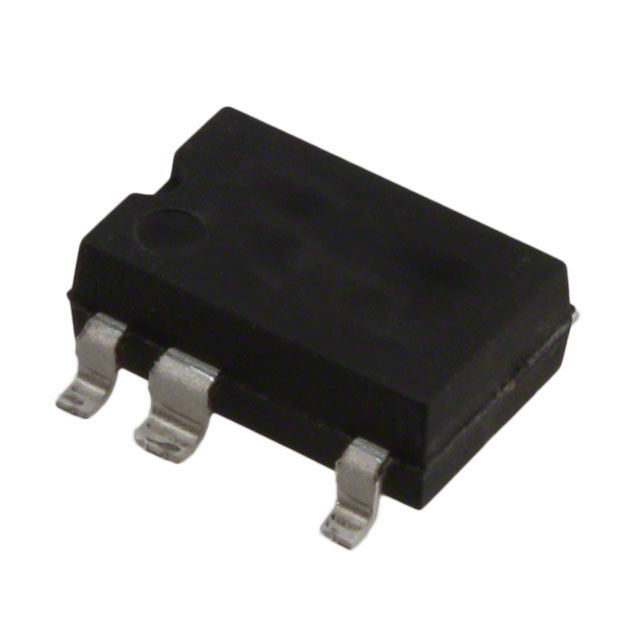
-
TNY278GN-TL Power Integrations
-
TNY280GN-TL Power Integrations
-
TOP266KG-TL Power Integrations
-
TOP258PN Power Integrations
-
TOP253PN Power Integrations
-
TOP253PNAU Power Integrations

- 1500+ Daily average RFQ Volume

- 20,000.000 Standard Product Unit

- 1800+ Worldwide Manufacturers

- 15,000+ In-stock Warehouse