74HC595 Equivalent, Alternative & Replacement Guide
74HC595 Equivalent, Alternative & Replacement Guide
The 74HC595 is the standard 8-bit serial-in/parallel-out shift register — the chip behind most LED rows, 7-segment displays, and MCU output expansion since the 1980s.
Engineers look for alternatives for three reasons: they need TTL-level inputs (74HCT595), they want a different latch behavior (74HC4094), or they need to sink real current (TPIC6B595).
The one you must not buy blind: 74HC4094. Same shift-register idea, different latch rules and a different pinout — in the logic IC lots we process (2025–2026), it is the most common mis-buy in this socket.
Same family, different rules — check the three control pins before you swap.
74HC595 vs 74HCT595 vs 74HC4094: Full Comparison
| Parameter | 74HC595 | 74HCT595 | 74HC4094 |
|---|---|---|---|
| Type | 8-bit SIPO shift register + latch | Same, TTL input levels | 8-bit SIPO + transparent strobe |
| Supply Voltage | 2.0V–6.0V | 4.5V–5.5V | 2.0V–6.0V |
| Input Levels | CMOS | TTL (LSTTL-compatible) | CMOS |
| Latch / Strobe | RCK, edge-triggered | RCK, edge-triggered | STROBE, level-sensitive/transparent |
| Serial Output | Q7S (unlatched) | Q7S (unlatched) | QS + QS¯ (complementary) |
| Output Enable Polarity | OE active-low | OE active-low | OE active-high |
| Shift Register Clear | SRCLR, active-low | SRCLR, active-low | None |
| Pinout | Standard 16-pin | Identical to 74HC595 | Different layout |
| Drop-in Replacement? | — | Yes, pin-for-pin | No |
| Output Drive | ~8mA per pin | 8mA @4.5V | ~8mA per pin |
| Speed | ~100MHz class | ~100MHz class | ~100MHz class |
| Operating Temperature | -55°C to +125°C | -40°C to +125°C | -55°C to +125°C |
| Best For | Arduino/SPI output expansion | Mixed 5V TTL logic systems | Streaming data, complementary outputs |
The whole comparison in one row: 74HCT595 is a true drop-in for 5V TTL systems — same pins, same edge-triggered latch, different input thresholds.
The 4094 is a different chip that looks similar on paper — its strobe is transparent while high, its OE polarity is inverted, it has no clear pin, and its pinout does not match.
When to Use the 74HCT595
Your driving logic is 5V TTL or LSTTL, or you need guaranteed threshold compatibility in a mixed-logic design. The HCT version accepts TTL-high levels that the HC version might misread. Same pinout, same code, same latch behavior — the swap is mechanical.
When to Use the 74HC4094
You want streaming transparency — data flows to the outputs while the strobe is high, latching on the strobe’s falling edge — or you need the complementary serial outputs (QS/QS¯) for differential signals. If you actually want the 595’s edge-triggered behavior, do not buy this part.
When NOT to Use These at All
If the load sinks more than ~8mA per pin, no 595-class chip will do — use the open-drain TPIC6B595 (150mA per channel) or transistor drivers.
If you need PWM dimming, the shift register is the wrong tool regardless of family. And if the signal is analog, you left the shift-register universe entirely — that is the 74HC4052’s job.
Pinout & Layout Notes
74HC595 pin block (16-pin): 1–7 = Q_B–Q_H, 8 = GND, 9 = SQ_H (serial out), 10 = SRCLR (reset, active-low), 11 = SRCLK (shift), 12 = RCLK (latch), 13 = OE (output enable, active-low), 14 = A (data), 15 = Q_A, 16 = VCC.
74HCT595 uses the identical pinout — a direct swap needs no board change. 74HC4094 does not — its pin layout differs, and an adapter needs a re-layout plus a code change (STROBE for RCLK, inverted OE). TPIC6B595 shares the control protocol but names OE "G" and re-layouts the outputs.
Why the middle stage decides compatibility: data moves on SRCLK, freezes into the latch on RCLK, and reaches the pins only while OE is low. A 4094 replaces the edge-triggered latch with a transparent strobe — same outside idea, different timing inside.
Why the code must change: Arduino-style code pulses RCLK after shifting — that is a 595 habit. With a 4094, pulsing STROBE high makes the outputs transparent during the pulse, and the outputs freeze on its falling edge — visible glitches unless the driver knows the difference.
Other Alternatives Worth Knowing
| Model | Key Difference | Best For |
|---|---|---|
| TPIC6B595 | Open-drain, 150mA/channel sink, OE = "G" | Relays, solenoids, high-current LED rows |
| 74AHC595 | 2.0V–5.5V, 4–10.5ns class delay, up to 170MHz | Fast SPI-fed designs, 3.3V systems |
| SN74HC595N (TI) / NXP 74HC595 | Same function, same 16-pin layout, different brand | Direct manufacturer swap, second sourcing |
| 74LS595 (legacy) | Bipolar LS family, 5V-only, higher power | Repairing old 5V TTL boards |
| MAX7219 (display driver) | Built-in 8-digit 7-segment/matrix driver, SPI | Replacing the 595+code stack for displays |
Pick by what the output must survive. Moderate digital loads — any 595 brand works, so second-source freely. High current — TPIC6B595. Speed — 74AHC595. And for 7-segment displays specifically, the MAX7219 removes the multiplexing code entirely.
Frequently Asked Questions
Q1: What is the difference between 74HC595 and 74HCT595?
A: Input voltage levels — HC expects CMOS levels, HCT accepts TTL levels. Everything else matches: same 8-bit shift register, same latch, same pinout. In a 5V TTL system, the HCT version is the safer drop-in.
Q2: What is the difference between 74HC595 and 74HC4094?
A: Latch behavior, OE polarity, and pinout — three differences that make them incompatible. The 595 latches on the RCK rising edge; the 4094's STROBE is transparent while high and latches on its falling edge. The 595's OE is active-low, the 4094's is active-high. The 4094 has no clear pin and a different pin layout.
Q3: Can I use a 74HC4094 instead of a 74HC595?
A: Not as a drop-in — it needs a board re-layout and a code change. The pinouts differ, the latch is level-sensitive instead of edge-triggered, and OE polarity is inverted. If the design was written for the 595's RCK, the 4094 will misbehave until both are changed.
Q4: Can I use a TPIC6B595 instead of a 74HC595?
A: Yes, if the load is current-sinking — the shift protocol is the same. The TPIC6B595 sinks up to 150mA per open-drain output but cannot source current, and its pinout differs (OE is called G). Your shift code survives; the board does not.
Q5: Can I use a 74HCT595 in a 3.3V circuit?
A: No — the HCT version runs 4.5V–5.5V only. For 3.3V systems stay with the HC version (2.0V–6.0V) or the 74AHC595 (2.0V–5.5V).
Q6: How many 74HC595s can I cascade?
A: Practically unlimited — SQ_H feeds the next chip's data pin, and all clocks are shared. The chain grows one chip at a time; keep a 0.1µF decoupling cap per chip and the count is limited only by shift-clock speed and code memory.
Q7: Which manufacturer's 74HC595 can replace another?
A: Any of them — TI (SN74HC595N), NXP, ON (MC74HC595A), and Diodes all use the same function and the same 16-pin layout. The electrical specs match within the HC family. If the original is marked 74HCT595, replace it with HCT, not HC, in a TTL-level system.
Q8: How much does a 74HC595 cost and is it in stock?
A: Volume pricing typically ranges from $0.03–$0.08/unit depending on brand and quantity. ICMASS stocks the 74HC595, 74HCT595, and TPIC6B595 families and ships same-day from Shenzhen. Contact us for a quote on your specific quantity.
Related information




-
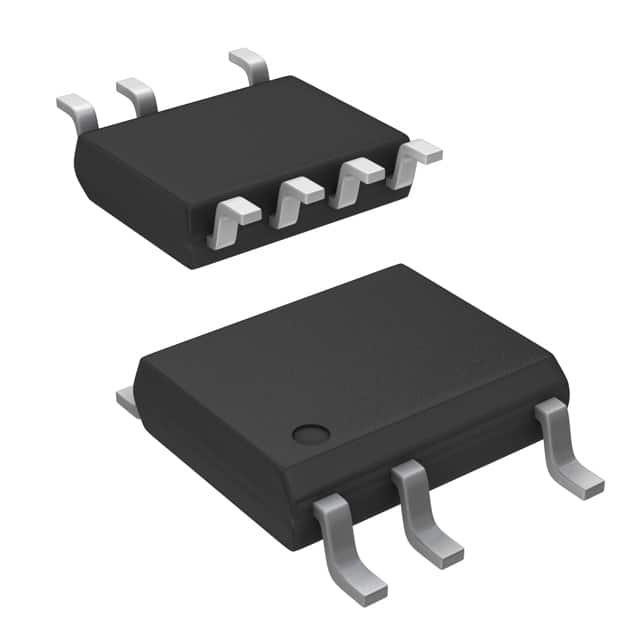
LNK304DN-TL Power Integrations
-
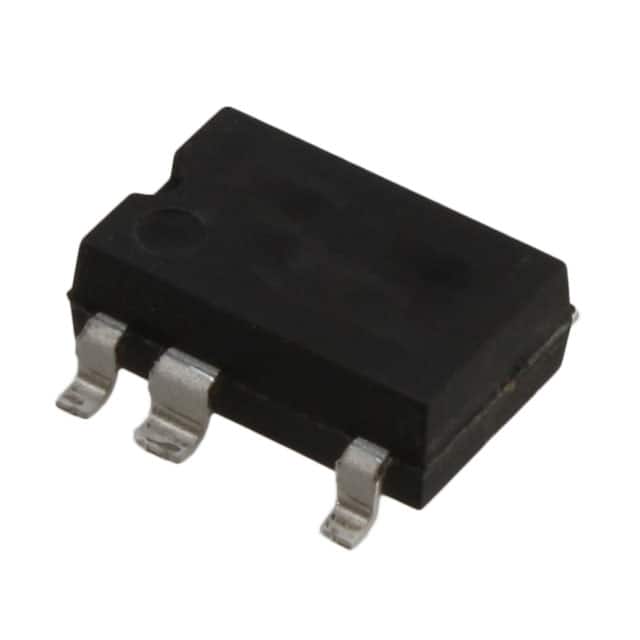
LNK304GN-TL Power Integrations
-
LNK304DG-TL Power Integrations
-
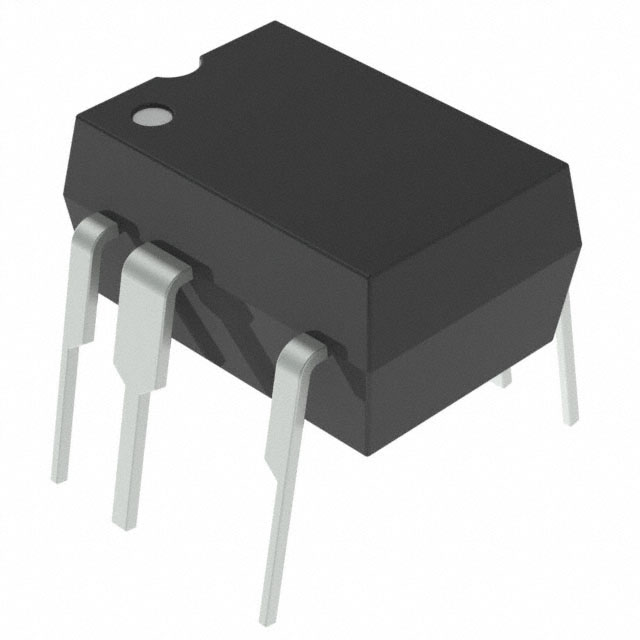
TNY277PN Power Integrations
-
TNY276PN Power Integrations
-
TNY278PN Power Integrations
-
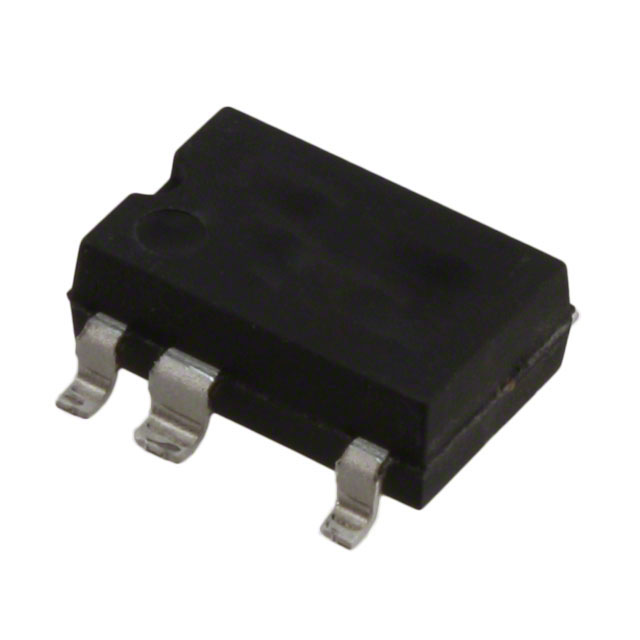
TNY278GN-TL Power Integrations
-
TNY280GN-TL Power Integrations
-
TOP266KG-TL Power Integrations
-
TOP258PN Power Integrations
-
TOP253PN Power Integrations
-
TOP253PNAU Power Integrations

- 1500+ Daily average RFQ Volume

- 20,000.000 Standard Product Unit

- 1800+ Worldwide Manufacturers

- 15,000+ In-stock Warehouse