Ultrafast vs Schottky: The Rectifier Decision That's Costing You Watts
Ultrafast vs Schottky: The Rectifier Decision That's Costing You Watts
You're designing a 24V-to-5V DC-DC converter at 200kHz. Output rectifier: 3A. Two ON Semi parts at the same price. Ultrafast (MURS220T3G, 200V/2A, 35ns). Schottky (MBRS3100T3G, 100V/3A, zero recovery). Which one?
Picked ultrafast because 200V > 100V? You just left half a watt on your PCB. Here's why - and when that decision flips.
The Physics, in One Paragraph
But why do Schottkys run cooler? The physics. Ultrafast = PN junction. Gold doping = fast (35ns). But the ~0.7V built-in potential sets a VF floor you can't break. Schottky = metal-semiconductor junction. Lower barrier (~0.4V) = lower VF. No minority carriers = zero stored charge = zero reverse recovery.
But that lower barrier works both ways. At high temperature with reverse bias, carriers spill over it. That's why Schottkys leak 5mA at 125°C. Ultrafasts leak 50µA. So why does this matter? The leakage-vs-VF crossover depends entirely on duty cycle and temperature.
The Numbers That Matter
At 2A, the Schottky saves ~0.5W. In a sealed 85°C enclosure, that's junction at 120°C vs 150°C. And zero recovery means zero switching loss - at 200kHz, the ultrafast spends 0.7% of each cycle with current flowing backward. It's not huge, but it adds to the gap.
When the Ultrafast Wins
So why use ultrafast? Voltage: Schottkys top out ~200V. Above that, PN junction. Leakage: 125°C, 100V = 5mA Schottky vs 50µA ultrafast. 100× worse. In a bridge at temperature, it erases the VF lead.
Reverse-biased half the time at 85°C ambient? Four Schottkys leak 2–5mA combined. That's 0.5W+ with the diodes supposed to be off. The ultrafast may run cooler overall - it's not cooking itself during the off-cycle. But why? Because 50µA leakage vs 5mA. The Schottky's VF advantage evaporates.
The Decision Framework
Rule of thumb: sub-48V, forward-biased, ambient <75°C → Schottky. Else → ultrafast. But every design has a crossover where leakage erases VF. Find it: IR×VR×(1−duty) vs IF×ΔVF×duty. So why does this matter? Run the numbers once, know the answer forever.
The Real-World Takeaway
I've seen engineers default to ultrafast because "200V is safer." It is. But safe costs watts. At 2–3A, every 0.1V of VF = 0.2–0.3W. Across four rectifiers in a multi-output supply, the wrong pick adds a full watt in a sealed box.
The right question isn't "which is better?" It's "at my voltage, frequency, temperature, and duty cycle, which penalty is smaller?" For most sub-48V DC-DC at 100kHz+, Schottky wins. Don't let voltage margin habit cost you efficiency.
Parts referenced: MURS220T3G, MBRS3100T3G (ON Semiconductor). Both in stock at ICMASS. Contact us for pricing and cross-reference support.
Related information




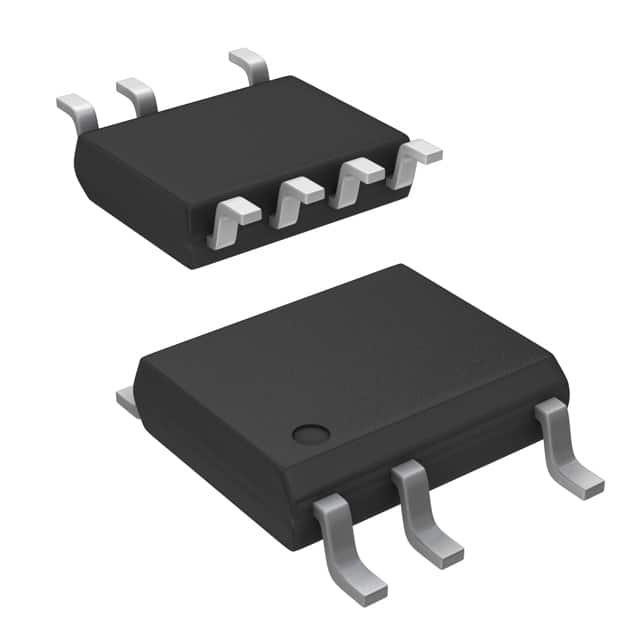
-
LNK304DN-TL Power Integrations
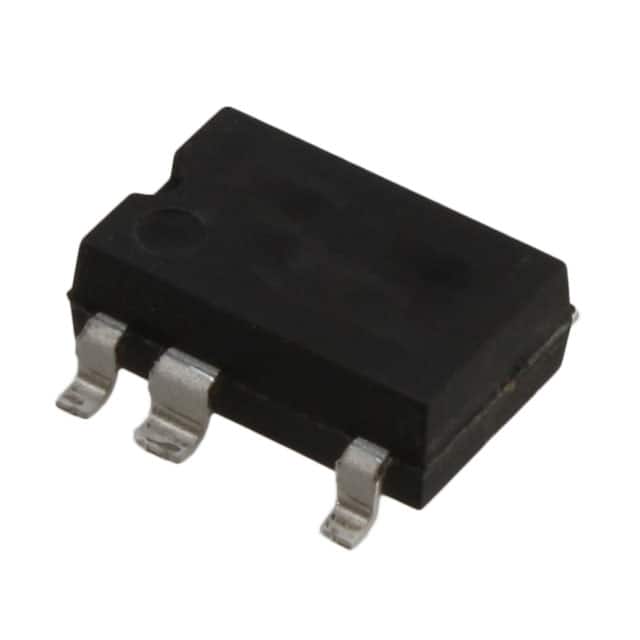
-
LNK304GN-TL Power Integrations
-
LNK304DG-TL Power Integrations
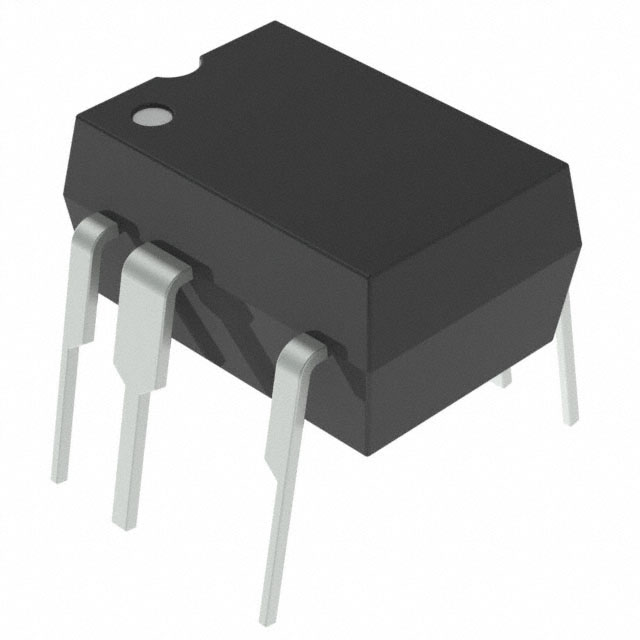
-
TNY277PN Power Integrations
-
TNY276PN Power Integrations
-
TNY278PN Power Integrations
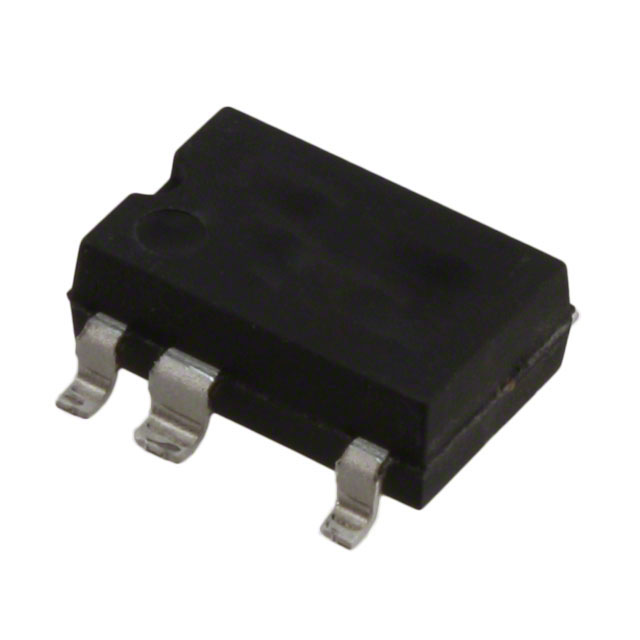
-
TNY278GN-TL Power Integrations
-
TNY280GN-TL Power Integrations
-
TOP266KG-TL Power Integrations
-
TOP258PN Power Integrations
-
TOP253PN Power Integrations
-
TOP253PNAU Power Integrations

- 1500+ Daily average RFQ Volume

- 20,000.000 Standard Product Unit

- 1800+ Worldwide Manufacturers

- 15,000+ In-stock Warehouse