The Datasheet Says 60W. It Doesn't Say You Need a 13,736 mm² Heatsink.
The Datasheet Says 60W. It Doesn't Say You Need a 13,736 mm² Heatsink.
A TOP225YN is rated 60W. The datasheet table says so, in print, on the page. What the datasheet does not print is the sentence that saves boards: 60W of output means about 10.6W of heat, and a bare TO-220 dissipating 10.6W computes a junction temperature of 848°C.
This is the thermal math behind the "60W switcher" — the three-step calculation, the real forum case where a 4,200mm² heatsink shut down a design that wanted 13,736mm², and what a repair bench should actually do about it.
What Does "60W Output" Actually Cost in Heat?
The TOP225YN is a three-pin TO-220 from the TOPSwitch-II family — a 700V MOSFET, a PWM controller, and a startup circuit in one package, rated 60W at 230VAC input (45W at 85–265VAC), with a 150°C junction limit and latching thermal shutdown.
Output power is not dissipation. At a realistic 85% efficiency — the datasheet's "up to 90%" is best case, not the corner you design at — the input power for 60W out is 70.6W. The difference:
P_loss = 60 / 0.85 − 60 = 70.6 − 60 = 10.6W
All 10.6W concentrates in the MOSFET die inside the TO-220. That's the number every heatsink decision starts from.
What Happens If You Skip the Heatsink?
A bare TO-220 has a junction-to-ambient thermal resistance around 80°C/W. Multiply:
ΔT = 10.6W × 80°C/W = 848°C
Junction temperature = 848°C + 40°C ambient. The chip's latching thermal shutdown triggers around 135–150°C — so the answer to "can I run it without a heatsink?" is: for about ten seconds, and then it latches off until power is cycled.
Reality check: a bare TO-220 is only comfortable below about 1W — 80°C/W × 1W = 80°C rise, which lands right at the 110°C junction target the forums keep citing. That's a 60x gap between what the datasheet row implies and what the package can do alone.
How Big Does the Heatsink Actually Need to Be?
Three steps. First, derate the junction: 150°C is the absolute maximum; engineering practice runs at 110–125°C for reliability. Second, pick the worst ambient: 40°C in a closed enclosure. Third, apply the standard formula:
RθSA = (TJM − TAM) / PD − (θJC + θCS)
| Term | Value | Why |
|---|---|---|
| TJM (max junction) | 125°C | Derated from 150°C absolute |
| TAM (max ambient) | 40°C | Closed enclosure, summer worst case |
| PD | 10.6W | From the 85% efficiency math |
| θJC | 2°C/W | Junction to case (TO-220 class) |
| θCS | 1°C/W | Case to heatsink, with silicone grease |
RθSA = (125 − 40) / 10.6 − 3 = 8.02 − 3 ≈ 5.0°C/W
That's the number. A 50×50mm flat aluminum pad in free air runs about 10–15°C/W — not enough.
A 5°C/W heatsink means a finned extrusion in the 80×60mm class, or forced air, or both. This is the gap the title means: the datasheet says 60W, and nowhere does it mention the 80×60mm aluminum slab that 60W demands.
The Real Case: 4,200mm² Against a 13,736mm² Design
In 2025, a Power Integrations forum user posted a TOP267-based 24V/5A supply that hit thermal shutdown under load. PI's design tool computed the minimum heatsink surface at 13,736mm². The user's U-channel heatsink measured 4,200mm² — and it was shared with the output diode.
PI's answer was blunt: the heatsink is too small, and a fan won't save it, because the IC-to-heatsink contact path is what moves the heat out — if that path can't carry it, airflow just stirs warm air. The fix was a bigger, dedicated finned heatsink.
The same story shows up a decade older, in a 2010 thread: a ~28W TOPSwitch design wants about one square inch of 2oz copper, and the forum's standing advice is to keep junction under 110°C and prototype-test at worst case.
Why Do So Many Boards Get This Wrong?
A diy audio forum thread on TO-220 regulators points at the pattern: a 12V regulator fed 16V pulling 0.5A dissipates 2W — an 80°C rise.
Most of the boards in that thread had no heatsink at all, a too-small one, or no thermal paste between the tab and the metal.
Three separate sins, one outcome: junction temperature far past the 110°C target inside a closed box. The TOPSwitch gets the same treatment because "60W" reads like a small number next to the wattage of the appliance it's in.
What the Repair Bench Should Actually Do
1. Calculate before you buy. P_loss = P_out/η − P_out, then RθSA = (125−40)/P_loss − 3. If the answer is 5°C/W or below, order a finned extrusion — a flat pad won't make the number.
2. Thermal grease is non-negotiable. The θCS = 1°C/W row assumes silicone grease or a pad. Dry metal-on-metal triples to quintuples that figure and silently eats the whole margin.
3. Don't share the heatsink. The TOP267 case failed partly because the diode shared the undersized channel. Two hot devices on one small slab is two failures waiting.
4. Verify with a thermocouple. Measure case temperature, add PD × θJC, and demand the junction stay under 110°C. PI's forum habit is to ask for measured temperatures before recommending any part change — adopt it.
The datasheet's 60W is an output number, not a heat number. Do the three-step calculation once, order the right aluminum, and the latching thermal shutdown never sees you. ICMASS stocks genuine TOP225YN and can recommend heatsink classes for the power range.
Related information




-
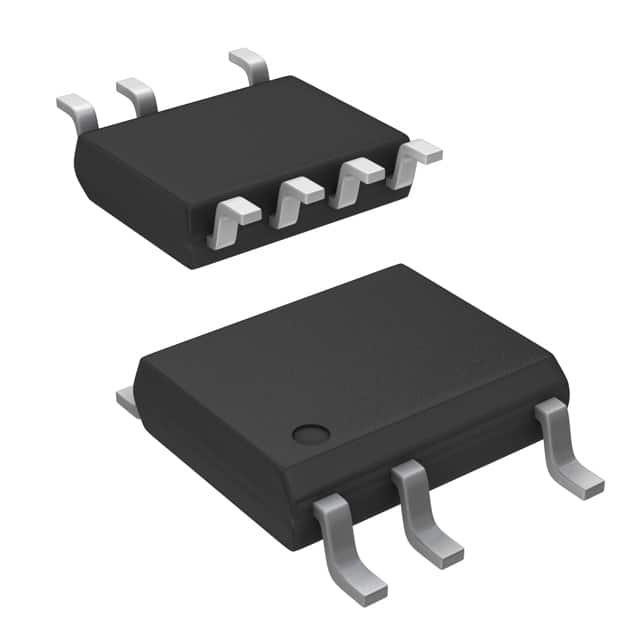
LNK304DN-TL Power Integrations
-
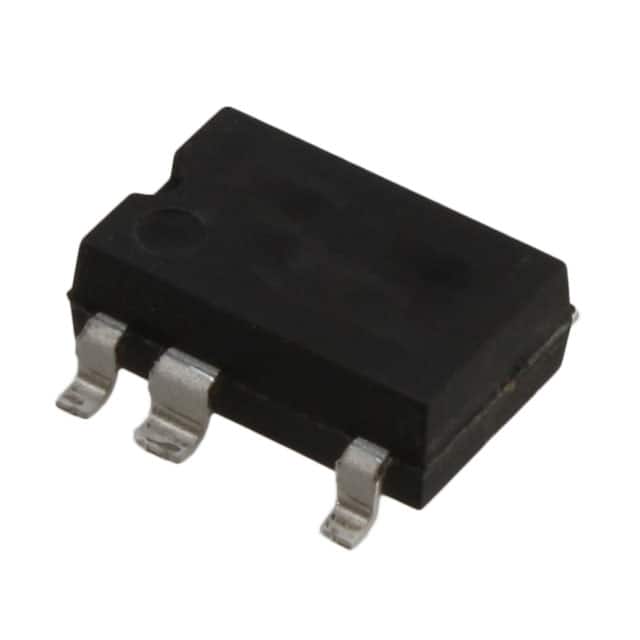
LNK304GN-TL Power Integrations
-
LNK304DG-TL Power Integrations
-
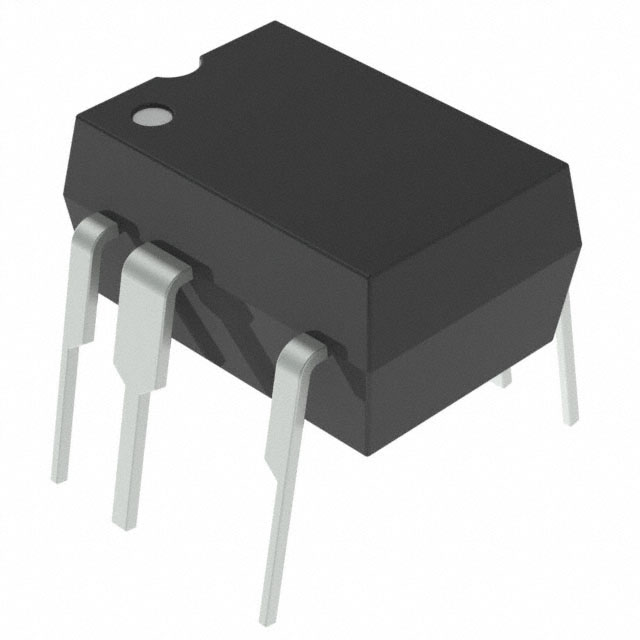
TNY277PN Power Integrations
-
TNY276PN Power Integrations
-
TNY278PN Power Integrations
-
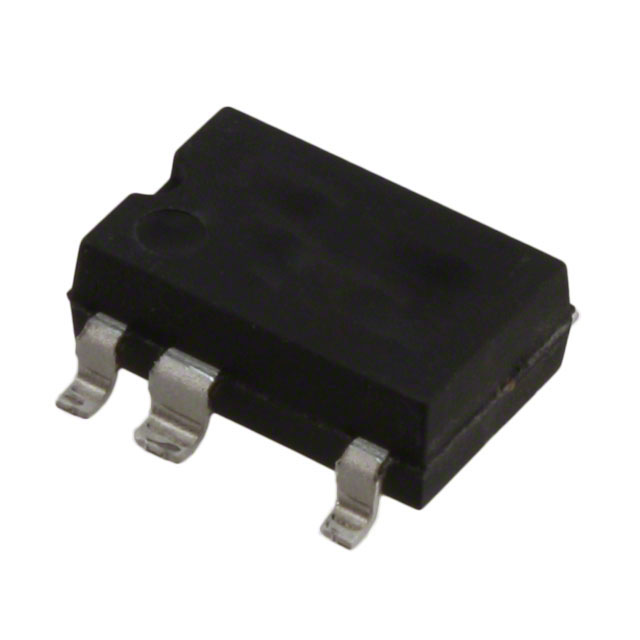
TNY278GN-TL Power Integrations
-
TNY280GN-TL Power Integrations
-
TOP266KG-TL Power Integrations
-
TOP258PN Power Integrations
-
TOP253PN Power Integrations
-
TOP253PNAU Power Integrations

- 1500+ Daily average RFQ Volume

- 20,000.000 Standard Product Unit

- 1800+ Worldwide Manufacturers

- 15,000+ In-stock Warehouse