STM32F103C8T6 Equivalent, Alternative & Replacement Guide | ICMASS
STM32F103C8T6 Equivalent, Alternative & Replacement Guide | ICMASS
You need an STM32F103C8T6. Maybe it's out of stock. Maybe the price doubled since last quarter. Maybe you're designing a new product and want a second-source option before you commit. Or maybe you're just tired of allocation games and want to know what else works in that LQFP-48 footprint.
The short answer: GD32F103C8T6 is the closest drop-in. APM32F103C8T6 is the most bug-compatible. AIR32F103CCT6 is the performance upgrade. The long answer — which one fits your design, with your specific peripherals, your toolchain, and your volume — is below. We stock all of them at ICMASS.
STM32F103C8T6 vs GD32F103 vs APM32F103 vs AIR32F103: Full Comparison
| Parameter | STM32F103C8T6 | GD32F103C8T6 | APM32F103C8T6 | AIR32F103CCT6 |
|---|---|---|---|---|
| Manufacturer | STMicroelectronics | GigaDevice | Geehy | LuatOS |
| Core | Cortex-M3 @ 72MHz | Cortex-M3 @ 108MHz | Cortex-M3 @ 96MHz | Cortex-M3 @ 256MHz |
| Flash | 64KB | 64KB | 64KB | 256KB |
| SRAM | 20KB | 20KB | 20KB | 96KB |
| Package | LQFP-48 | LQFP-48 | LQFP-48 | LQFP-48 |
| Pin Compatibility | Reference | Pin-to-pin | Pin-to-pin | Pin-to-pin |
| FPU | No | No | Yes (built-in) | No |
| ADC | 12-bit, 2x10ch | 12-bit, 2x10ch | 12-bit, 2x10ch | 12-bit, 3x16ch |
| DAC | No | No | No | 2x2ch |
| I2C at 400kHz | Reference | Known issues (see below) | Fully compatible | Needs porting |
| Software Migration | STM32 HAL/SPL | GD32 SDK + minor HAL patches | Drop-in HAL/SPL | Full porting required |
| Relative Cost | $$$ (highest) | $$ (mid) | $$ (mid) | $ (lowest) |
Which STM32F103 Alternative Should You Choose?
Key Differences Between STM32F103 Replacements
1. APM32F103C8T6: The "Don't Touch My Code" Option
The APM32F103 is a near-exact clone of the STM32F103 silicon. It passes the same I2C test vectors at 100kHz and 400kHz. It has the same System ROM (with extra data at 0x1FFFF7D0). Your STM32 HAL or SPL firmware compiles and runs without changes — same register map, same peripheral behavior. The one hardware addition: a built-in FPU, which the original STM32F103 lacks. You can ignore it (disabled by default) or enable it for a free floating-point speed boost. If you need zero-risk migration, this is the one.
2. GD32F103C8T6: The Ecosystem Play
GigaDevice's GD32F103 is the most widely adopted STM32F103 alternative. It runs at 108MHz (vs 72MHz), has its own SDK and dev board ecosystem, and generally outperforms the STM32 on Flash access speed. The catch: its I2C peripheral has known compatibility issues at 400kHz with certain sensors (BH1750, LM75B, HCD1080, CCS811 — confirmed by independent testing). If your design uses I2C at 100kHz only, or doesn't use I2C at all, the GD32 is the best combination of speed, ecosystem, and cost.
3. AIR32F103CCT6: The Spec Sheet Upgrade
The AIR32F103 is a completely different beast in the same LQFP-48 footprint. 256KB Flash, 96KB SRAM, 256MHz max clock, 10 timers, 3 ADCs, 2 DACs. It's not a clone — it's a ground-up redesign. The catch: you need to port your code. It's not register-compatible with STM32 HAL. Budget 2–4 weeks of engineering for a full migration. For new designs where you want maximum spec in the F103 footprint, it's compelling. For existing designs, the migration cost usually tips the scale back to APM32 or GD32.
Other Alternatives Worth Knowing
| Model | Manufacturer | Key Difference | Best For |
|---|---|---|---|
| CKS32F103C8T6 | CKS | 72MHz M3, lowest cost pin-to-pin clone | Cost-sensitive consumer products |
| HC32F103C8T6 | HDSC | 72MHz M3, strong EMC/anti-interference | Industrial, noisy environments |
| STM32F103CBT6 | ST | Same package, 128KB Flash | ST-family upgrade, zero PCB changes |
| STM32F411CEU6 | ST | 100MHz M4+FPU, 512KB Flash, no CAN | Performance upgrade (CAN not needed) |
| GD32VF103 | GigaDevice | RISC-V (Bumblebee), similar to GD32F103 | RISC-V experimentation |
Where to Buy STM32F103 Replacements
ICMASS stocks all major STM32F103 alternatives from Shenzhen. Contact us for current pricing on your quantity. Volume pricing typically ranges from $0.40–$1.20/unit for GD32/APM32/CKS32, with AIR32 at the lower end and STM32 originals at the higher end. Same-day dispatch before 15:00 CST.
Frequently Asked Questions
Q1: Is GD32F103 a drop-in replacement for STM32F103?
A: Hardware: yes. Software: mostly, with I2C caveats. Same pinout, same package, same voltage. Your PCB doesn't change. Most peripherals work with STM32 HAL after changing header files. The documented exception: I2C at 400kHz with specific sensors (BH1750, LM75B, HCD1080, CCS811). If your design uses I2C at high speed, add error recovery code or choose APM32F103 instead.
Q2: Can I mix STM32 and GD32 on the same production line?
A: Yes, with dual-firmware builds. The hardware is pin-compatible, so the same PCB accepts either chip. You'll need two firmware binaries and a way to identify which chip is populated at production test. The GD32 has a different JEP106 code in its ROMTABLE that firmware can read at boot. Several Shenzhen contract manufacturers do this routinely for cost optimization.
Q3: What's the catch with AIR32F103? The specs look too good.
A: Software porting effort and different peripheral IP. 4x the Flash, 5x the RAM, 3.5x the clock speed of an STM32F103 for less money. But it's not register-compatible — you can't recompile STM32 HAL and flash it. LuatOS provides an SDK and migration guide. Budget 2–4 weeks for a full port. For new designs, it's compelling; for existing designs, the migration cost usually tips the scale back to APM32 or GD32.
Q4: Do any of these alternatives have a real FPU?
A: Only APM32F103 has a built-in FPU. The original STM32F103 is Cortex-M3 (no FPU). The APM32 added one as a hardware differentiator — disabled by default, enable in firmware. The GD32 and AIR32 remain M3 cores without FPU. If you need hardware floating-point, either enable the APM32's FPU or step up to STM32F4-series (Cortex-M4F).
Q5: Which alternative has the best toolchain support?
A: GD32F103, by a wide margin. GigaDevice has invested in Keil/IAR/GCC support, their own IDE, dev boards, extensive documentation (Chinese and English), and a large user community. The APM32 and CKS32 piggyback off the STM32 toolchain. The AIR32 has growing community support but nowhere near GD32's maturity.
Q6: Are any of these RISC-V instead of ARM?
A: GD32VF103 is RISC-V. All others above are ARM Cortex-M3. GigaDevice makes both an ARM version (GD32F103) and a RISC-V version (GD32VF103) in the same package. WCH also makes CH32V103 (RISC-V). Don't confuse GD32F103 (ARM) with GD32VF103 (RISC-V) — the "V" is the difference.
Related Products
- STM32F103C8T6 — Original STM32, Cortex-M3 72MHz, 64KB Flash
- STM32F407VET6 — Cortex-M4F 168MHz, 512KB Flash, step-up performance
- CH340G — USB-UART bridge, common companion in STM32 designs
- LM1117IMPX-3.3 — 3.3V LDO, typical STM32 power rail regulator
Related information
-
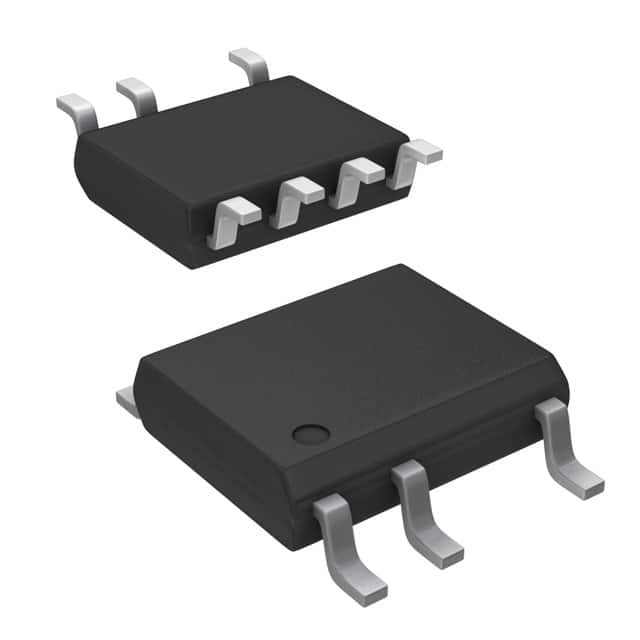
LNK304DN-TL Power Integrations
-
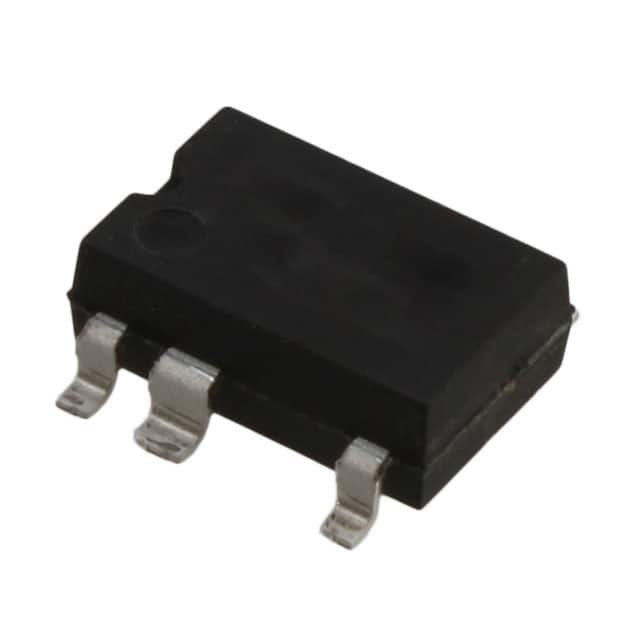
LNK304GN-TL Power Integrations
-
LNK304DG-TL Power Integrations
-
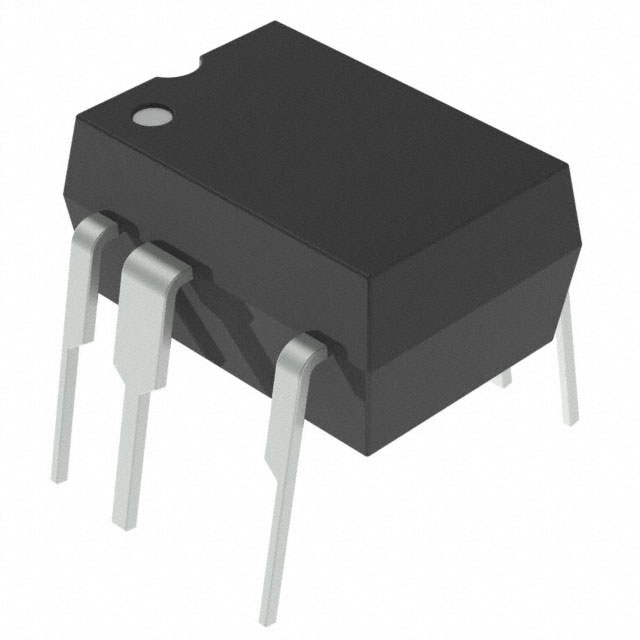
TNY277PN Power Integrations
-
TNY276PN Power Integrations
-
TNY278PN Power Integrations
-
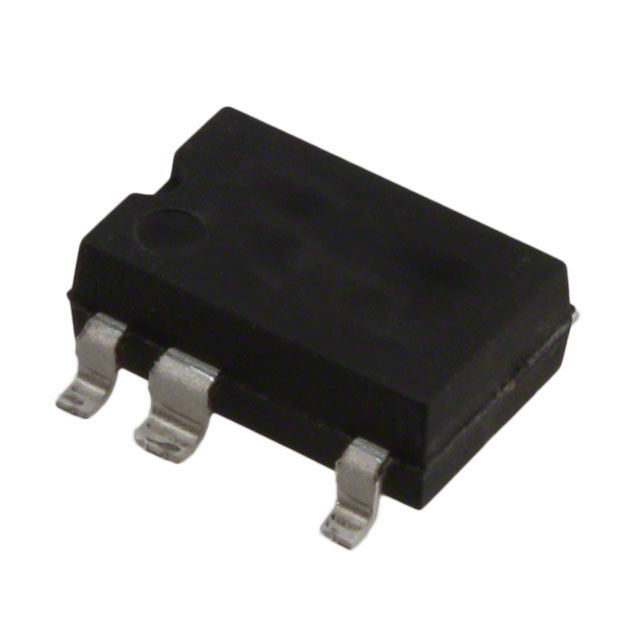
TNY278GN-TL Power Integrations
-
TNY280GN-TL Power Integrations
-
TOP266KG-TL Power Integrations
-
TOP258PN Power Integrations
-
TOP253PN Power Integrations
-
TOP253PNAU Power Integrations

- 1500+ Daily average RFQ Volume

- 20,000.000 Standard Product Unit

- 1800+ Worldwide Manufacturers

- 15,000+ In-stock Warehouse