SFH615A Equivalent, Alternative & Replacement Guide
SFH615A Equivalent, Alternative & Replacement Guide
The SFH615A is Vishay's DIP-4 phototransistor optocoupler — the same socket class as the PC817, used everywhere from PSU feedback loops to MCU isolation.
If you're looking to replace it, the short answer: PC817, LTV-817, VO617A, and SFH617A are all drop-in alternatives with the same DIP-4 pinout — the math you redo is CTR grade, power, and temperature.
From what we see across Shenzhen distribution (2025–2026), optocoupler swap requests are mostly about brand preference, lead time, or cost — not function. The failures we see after swaps trace back to one thing: the CTR grade wasn't rechecked, and a circuit built for 100% transfer ratio got a 40% part.
Four candidates, one socket — Which one is the least-surprise swap? This guide lines up the real differences.
SFH615A vs PC817 vs VO617A: Full Comparison
| Parameter | SFH615A | PC817 | VO617A |
|---|---|---|---|
| Manufacturer | Vishay | Sharp family | Vishay |
| Package | DIP-4 (SMD gull-wing avail.) | DIP-4 (SMD avail.) | DIP-4 (SMD avail.) |
| CTR Grades | 40% / 63% / 100% / 160–320% | ~50% base, grade-dependent | Same family as SFH615A |
| Collector-Emitter Voltage | 70V | 80V | 70V |
| Saturation Voltage | 400mV | Lower typ | Same family as SFH615A |
| Isolation Voltage | 5300Vrms | 5000Vrms | 5300Vrms |
| Forward Current (max) | 60mA | 50mA | 60mA |
| Forward Voltage | 1.35V typ | 1.2V typ | Same family as SFH615A |
| Power Dissipation | 150mW | 200mW | 150mW |
| Operating Temperature | −55 to +100°C | −30 to +100°C | −55 to +100°C |
| Rise / Fall Time | 3µs / 14–15µs | 4µs / 3µs | Same family as SFH615A |
| Pin-Compatible | — | ✓ DIP-4 | ✓ DIP-4 |
The one-line read: all three are the same functional class with the same DIP-4 socket. PC817 gives you a bit more output voltage and power at the cost of temperature floor; VO617A is the closest Vishay sibling; the CTR grade you order does more work than the brand you pick.
When to Use PC817
When the rest of your BOM is already PC817-family. It's the highest-volume optocoupler on earth, which means supply security and the widest CTR spread available in a grade you choose.
The 80V output and 200mW budget are both above the SFH615A's — and the −30°C floor is fine for indoor and most industrial boards.
When to Use VO617A (or SFH617A)
When you want the same Vishay behavior without re-qualifying much. VO617A and SFH617A are Vishay siblings with the same 5300Vrms isolation, 70V output, and temperature range. If your board was designed around Vishay's datasheet curves, these are the least-surprise swaps — same family math, different ordering code.
When NOT to Use a Phototransistor Optocoupler at All
Fast signals — all four of these cap out around 30kHz. With fall times in the 3–15µs range, none of them carry CAN, high-speed UART, or MHz PWM. For those, step up to a logic-output optocoupler (6N137-class) or a digital isolator.
And if your "replacement" problem is actually a CTR margin failure, fix the margin — swapping brands with the same grade math just moves the failure.
Pinout & Layout Notes
The DIP-4 pinout is identical across SFH615A, PC817, LTV-817, VO617A, and SFH617A: 1 = LED anode, 2 = LED cathode, 3 = collector, 4 = emitter. Pin 1 is marked with a dot. The swap is mechanical before it's electrical — same footprint, same orientation, and the layout doesn't move.
Other Alternatives Worth Knowing
LTV-817 (Lite-On): the PC817-compatible option with the same behavior and wide availability — the standard cost-conscious PC817 alternative, same DIP-4 socket.
EH817 (domestic): Chinese cross-reference guides list EH817 as a drop-in for SFH615A, SFH614A, PC817, and HCPL-817 — a budget line worth knowing for high-volume builds, with the same CTR caveats as any clone.
4N35: a DIP-6 package with a base pin exposed — electrically an optocoupler, mechanically a different socket. It replaces the SFH615A only if your board already carries the 6-pin footprint.
CTR spread per grade — the number that breaks swaps:
What breaks when the brand changes? The grade spec line moves with you, not the brand — a base-grade PC817 (50%) and a high-grade SFH615A-4 (320%) are both "PC817-compatible" sockets, and they differ 6× in transfer ratio.
Frequently Asked Questions
Q1: What are the direct replacements for SFH615A?
A: PC817, LTV-817, VO617A, and SFH617A — all DIP-4 pin-compatible. The socket is identical: pin 1 anode, pin 2 cathode, pin 3 collector, pin 4 emitter. VO617A and SFH617A are Vishay siblings with matching datasheet curves; PC817 and LTV-817 are the Sharp-family alternatives with their own CTR grading.
Q2: Can I drop a PC817 in without changing anything?
A: Yes mechanically — no, check the CTR grade and thermal math. The pinout matches, but the circuit was tuned with the SFH615A's grade in mind. A base-grade PC817 sits around 50% CTR against the SFH615A's graded 40–320%; a design needing 100%+ transfer ratio needs a high-grade PC817, not the base part. Temperature floor also drops from −55 to −30°C on the PC817.
Q3: Is the 4N35 a replacement for SFH615A?
A: Only if your board already has the DIP-6 footprint. The 4N35 is a 6-pin optocoupler with an exposed base connection — it is not pin-compatible with the DIP-4 socket. Electrically it can do the same isolation job, but the swap means a layout change, which usually means the DIP-4 alternatives win.
Q4: Which replacement has the highest CTR?
A: The PC817 family, in its high grades — well above the SFH615A's 160–320% top grade. The SFH615A grades from 40% up to 320% (grade -4). If your circuit genuinely needs more transfer ratio than the SFH615A can deliver, a high-grade PC817 is the headroom answer — with the caveat that high-CTR grades trade dynamic response for gain in some designs.
Q5: What should I verify after a swap?
A: CTR margin at minimum grade, the LED resistor, and creepage. Redo the CTR math with the new grade's minimum and keep at least 2.5× margin for temperature and aging. Check the LED current resistor still drives the new VF (PC817 sits about 0.15V lower). And on the board, keep the same primary-secondary creepage the original layout had — the part is compliant, the board has to be too.
Q6: Do these replacements work for high-speed signals?
A: No — all four are ~30kHz-class parts. Rise/fall times land in the 3–15µs range across the family. For CAN, high-speed UART, or MHz PWM isolation, use a logic-output optocoupler (6N137-class) or a digital isolator instead — no phototransistor optocoupler in this class carries those signals.
Q7: How do I spot a mixed-grade or relabeled reel?
A: Measure CTR, not just the marking. Mixed-grade reels are the classic optocoupler problem — the -1 and -4 parts look identical and the circuit silently fails when a low-grade part lands in a high-grade socket. We batch-verify CTR grade on incoming lots; a quick out-of-circuit CTR test at 10mA catches relabeled parts on your bench too.
Q8: Where can I buy SFH615A replacements?
A: From ICMASS — with the grade verified before it ships. We stock the SFH615A family, PC817, and VO617A with CTR grades checked per lot. Send us your transfer-ratio requirement and we'll match the grade — or the whole PSU feedback set (optocoupler + TL431 + rectifier) in one shipment from Shenzhen.
Related information




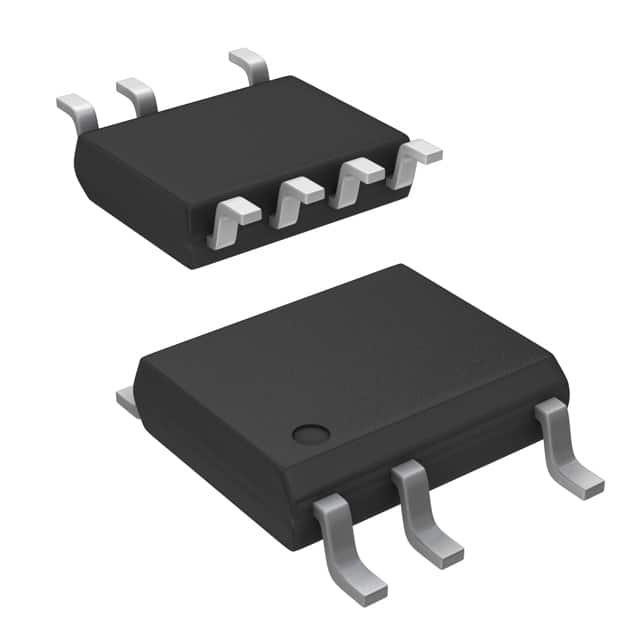
-
LNK304DN-TL Power Integrations
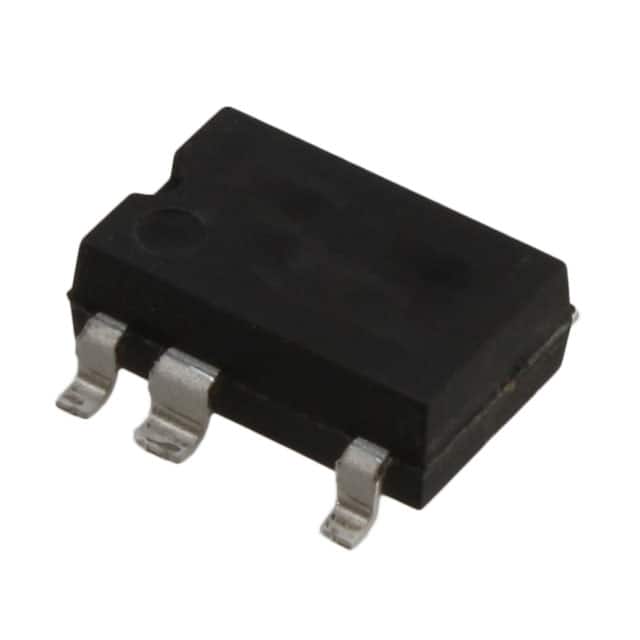
-
LNK304GN-TL Power Integrations
-
LNK304DG-TL Power Integrations
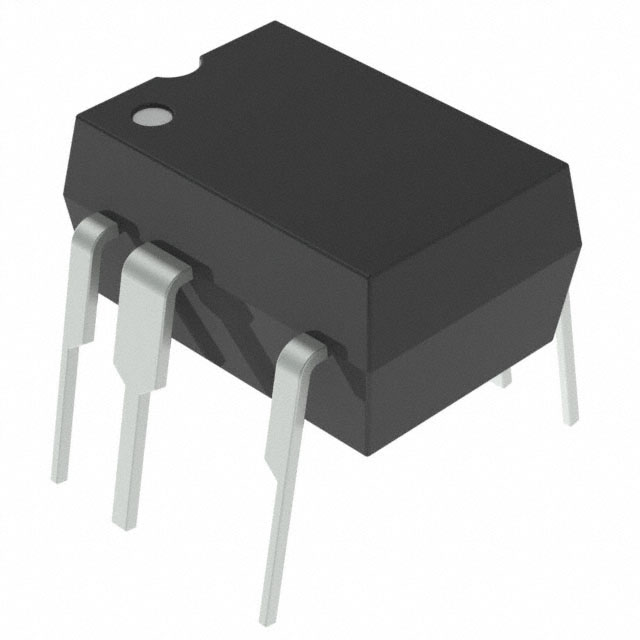
-
TNY277PN Power Integrations
-
TNY276PN Power Integrations
-
TNY278PN Power Integrations
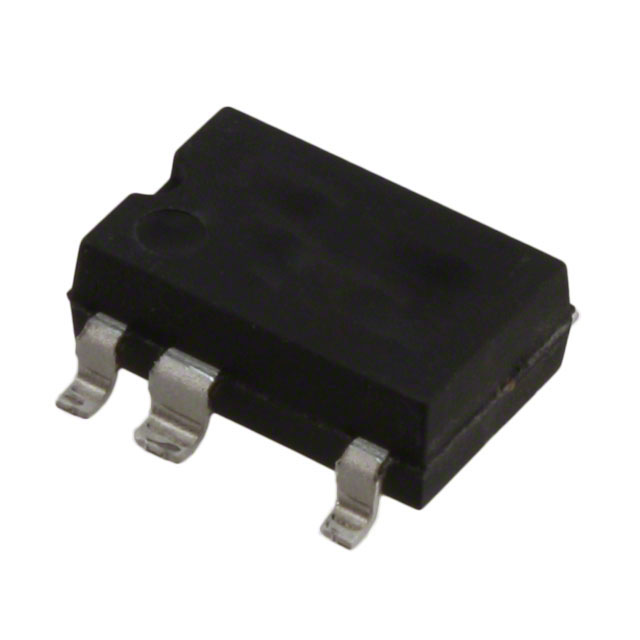
-
TNY278GN-TL Power Integrations
-
TNY280GN-TL Power Integrations
-
TOP266KG-TL Power Integrations
-
TOP258PN Power Integrations
-
TOP253PN Power Integrations
-
TOP253PNAU Power Integrations

- 1500+ Daily average RFQ Volume

- 20,000.000 Standard Product Unit

- 1800+ Worldwide Manufacturers

- 15,000+ In-stock Warehouse