1SMA5925BT3G vs 1SMA5927BT3G vs 1SMA5942BT3G — Choosing the Right 1.5W Zener: 10V, 12V, or 51V?
1SMA5925BT3G vs 1SMA5927BT3G vs 1SMA5942BT3G — Choosing the Right 1.5W Zener: 10V, 12V, or 51V? | ICMASS
The rule in one sentence: pick the grade whose tolerance window sits entirely above your bus's highest normal voltage. That maps cleanly: 10V for 5V/8V systems, 12V for 12V/24V, 51V for 36V/48V.
All three are siblings in the onsemi 1SMA59xxBT3G series — same 1.5W rating, same SMA package, same thermals. What the grade drags along differs: current (150 vs 125 vs 29mA), knee stiffness (500 vs 550 vs 1100Ω), leakage point (8 vs 9.1 vs 38.8V).
Specifications Side by Side
| Parameter | 1SMA5925BT3G | 1SMA5927BT3G | 1SMA5942BT3G |
|---|---|---|---|
| Nominal VZ | 10V | 12V | 51V |
| VZ window (±5%) | 9.5–10.5V | 11.4–12.6V | 48.45–53.55V |
| Test current IZT | 37.5mA | 31.2mA | 7.3mA |
| ZZT at IZT | 4.5Ω | 6.5Ω | 70Ω |
| ZZK at 0.25mA | 500Ω | 550Ω | 1100Ω |
| Leakage IR max | 2.5µA at 8V | 0.5µA at 9.1V | 0.5µA at 38.8V |
| Max current IZM | 150mA | 125mA | 29mA |
| Top marking | 825B | 827B | 842B |
| Automotive variant | SZ1SMA5925BT3G | SZ1SMA5927BT3G | SZ1SMA5942BT3G |
Here's the trap we keep flagging (2025–2026): most wrong-grade swaps aren't part failures — they're a zener picked below the bus. A 12V grade on a 13.8–14.2V charging rail, a 51V grade across a 49.9–56.4V float. The zener was doing exactly what its window promised.
Everything else is shared. All three are 1.5W at a 75°C lead temperature on a 1-square-inch pad, derating 20mW/°C above, and 0.5W on a minimum footprint at 25°C ambient. Same DO-214AC body, same 5,000-per-reel packaging, same ESD Class 3 rating, same −65 to +150°C junction range.
Three things the voltage grade changes.
- Current: the same 1.5W buys 150mA at 10V but 29mA at 51V — IZM is watts divided by volts.
- Knee stiffness: the 51V grade's 1100Ω swings VZ a volt per milliamp near the knee, twice the 10V grade's 500Ω.
- Quiet zone: the 51V grade holds 0.5µA leakage up to 38.8V; the 10V grade specifies it at 8V.
Which Grade Fits Which Bus
Pick the 10V grade (1SMA5925BT3G) for 5V and 8V systems. Clamping a logic-level MOSFET gate, backing up an LDO, protecting an ADC input — the 9.5–10.5V window sits above 5V and 8V rails with room to spare, and its 150mA budget is the most generous of the three.
Pick the 12V grade (1SMA5927BT3G) for 12V and 24V systems. Gate-drive rails, 24V midpoints, flyback auxiliaries, relay coils. Just remember the car-battery trap: a 13.8–14.2V charging bus sits above the 11.4–12.6V window, so on that bus the zener belongs in a sensing or series-protection role, not across the rail.
Pick the 51V grade (1SMA5942BT3G) for 36V and 48V systems — undervoltage detection on 48V plants, overshoot clamping on 36V packs, HV-bus bias supplies. The 48.45V minimum clears a 36V pack's 42V peak; the 49.9–56.4V telecom float is why this grade detects instead of clamping.
Three Ways to Pick Wrong
Picking below the bus. A zener whose window sits under the normal operating voltage conducts full-time and burns up — the 13.8V car bus versus the 12V grade, the 56.4V float versus the 51V grade. Both are documented failures on EEVblog and the PedalPCB forum.
Picking far above the bus. A 51V zener "protecting" a 12V rail does nothing until the rail reaches 48.45V — long after the load has died. The clamp must sit just above normal, not in the next voltage class.
Picking by wattage alone. "1.5W" sounds identical across the three, but at 51V it buys 29mA, not 150mA. For a bias rail that's fine; for a shunt that must absorb real current, it is not. Read IZM before the watt.
Same 1.5W label, very different current:
Same series, very different knee. ZZK at 0.25mA — higher means the voltage slides more as current changes near the knee. The 51V grade's 1100Ω swings VZ a full volt per milliamp, twice the 10V grade's 500Ω. Run high-voltage grades near their test current to stay inside the window.
Why Buy the Zener Trio from ICMASS
One PO, three voltage grades, one reel philosophy. Board families that span 5V logic, 12V gate rails, and 48V monitoring can stock all three grades from one Shenzhen warehouse — full 5,000-unit reels or cut tape, same-day dispatch.
Every grade lands inside its datasheet window. B-suffix bins guarantee 9.5–10.5V, 11.4–12.6V, and 48.45–53.55V respectively, with date and lot codes intact on factory reels for traceability.
Automotive variants under the same order. SZ-prefixed versions of all three carry AEC-Q101 qualification and PPAP capability, so one approved-vendor workflow covers the whole voltage ladder.
Frequently Asked Questions About Zener Voltage Selection
Q1: How do I pick the right zener voltage?
A: Pick the grade whose window sits above your bus's highest normal voltage, then check the current. 5V/8V systems take the 10V grade, 12V/24V systems take the 12V grade, 36V/48V systems take the 51V grade. The selection threads on EE StackExchange keep it to three checks: VZ window, test current your circuit can supply, and power rating.
Q2: Can I swap the 12V grade into a 10V design?
A: Yes — same DO-214AC footprint and pinout. What moves is the protection point: 9.5–10.5V becomes 11.4–12.6V. The substitution threads on PedalPCB and Madbean make the point: for protection duty the exact rating isn't critical, but don't pick a rating that sits close to your rail's normal voltage — it leaks. Verify the load's absolute maximum still holds.
Q3: Why does the 51V grade carry so little current?
A: Because IZM is 1.5W divided by 51V — 29mA. The power rating is fixed across the series, so every extra volt of zener voltage costs milliamps. That's the power-rating check from the EE StackExchange selection threads: high-voltage grades suit detection and bias rails, not heavy shunts.
Q4: Why does the 51V grade sit below 51V at low current?
A: The 51V rating only holds at the 7.3mA test current. Near the knee, the datasheet's 1100Ω impedance means 1mA of current change swings VZ about a volt, so at a milliamp or two it sits well below 51V. That's the "voltage depends on current" point raised on EE StackExchange. The 10V grade's 500Ω knee moves half as much.
Q5: Are the three grades physically interchangeable?
A: Yes — same DO-214AC body, same pads, per the datasheet. Swapping grades is a BOM change, not a layout change. The pedal-builder substitution threads confirm the practice: what changes with a same-body swap is the threshold, not the board.
Q6: What happens if I pick a zener below my bus voltage?
A: It conducts full-time and burns up. The PedalPCB thread spells out the small-voltage version: a 9.1V zener in a 9V circuit leaks continuously because supplies actually run at 9.1–9.3V. Same story on EEVblog for the 13.8–14.2V car bus versus the 12V grade, and the 49.9–56.4V telecom float versus the 51V grade. The zener must idle below its window.
Q7: Do these zeners need a series resistor?
A: Always — unless the source is already current-limited. The EEVblog thread on resistor-less zeners says the part "tries to draw as much current as necessary" and lets the smoke out. Size RS = (VIN − VZ) / (IZ + ILOAD), then check worst-case dissipation at minimum load and maximum line.
Related information


-
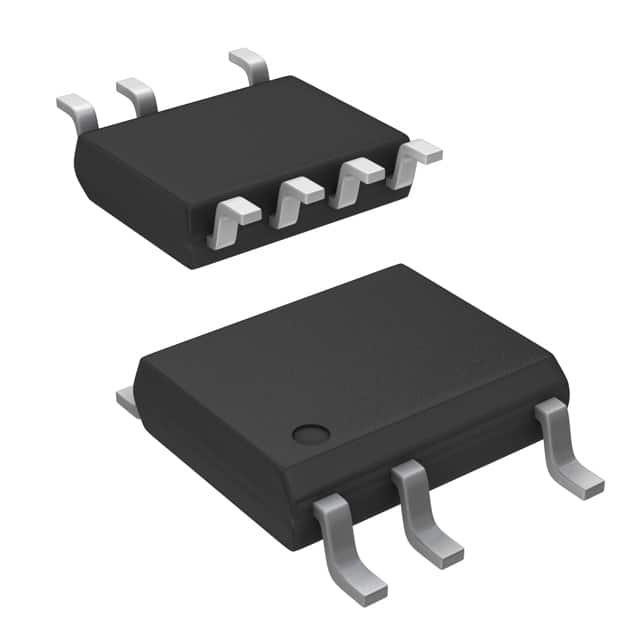
LNK304DN-TL Power Integrations
-
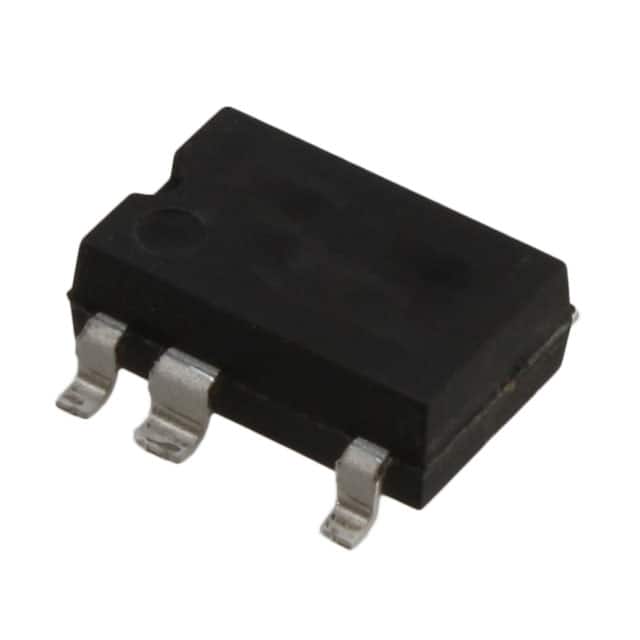
LNK304GN-TL Power Integrations
-
LNK304DG-TL Power Integrations
-
TNY277PN Power Integrations
-
TNY276PN Power Integrations
-
TNY278PN Power Integrations
-
TNY278GN-TL Power Integrations
-
TNY280GN-TL Power Integrations
-
TOP266KG-TL Power Integrations
-
TOP258PN Power Integrations
-
TOP253PN Power Integrations
-
TOP253PNAU Power Integrations

- 1500+ Daily average RFQ Volume

- 20,000.000 Standard Product Unit

- 1800+ Worldwide Manufacturers

- 15,000+ In-stock Warehouse