1SMA5925BT3G Equivalent, Alternative & Replacement Guide
1SMA5925BT3G Equivalent, Alternative & Replacement Guide
The 1SMA5925BT3G is a 10V, 1.5W zener in an SMA (DO-214AC) body — onsemi's surface-mount answer to the classic 1W 10V parts. Every "equivalent" you find splits one of two ways: same voltage, different watt, or same watt, different package. Both traps are below.
Here's the trap we keep flagging (2025–2026): cross-reference lists pair this 1.5W part with 500mW zeners that share its "5925B" number, and the repair threads on AudioKarma and the KiCad forum keep catching boards fitted with the wrong watt. Same number. Same voltage. One-third the power.
The 1SMA5925BT3G Alternative Lineup
| Model | Type | Key Difference | Best For |
|---|---|---|---|
| 1SMA5925BT3G | 1.5W 10V SMA (onsemi) | Reference part: 9.5–10.5V, 4.5Ω ZZT, 150mA IZM, ESD Class 3 | The design baseline |
| CMZ5925B TR13 | 1.5W 10V SMA (Central Semi) | True second source, same power class | Dual-sourcing the same board |
| 1SMA4740A | 1W 10V SMA (Vishay/onsemi) | 1W rating, ZZT ≈7Ω | Cost-down where 1W is enough |
| SMAZ5925B-E3 | 500mW 10V DO-214AC (Vishay) | Same "5925B" name, one-third the power | Low-current clamps — verify the watt first |
| MMSZ5240B | 500mW 10V SOD-123 | Tiny footprint, 17Ω ZZT | Space-constrained, low-current rails |
| BZT52H-C10 | 500mW 10V SOD-123F (Nexperia) | Flat-leaded package, ±5% | Low-profile boards |
| SZ1SMA5925BT3G | 1.5W 10V SMA, automotive (onsemi) | Same die, AEC-Q101 + PPAP | Automotive programs with paperwork |
| 1SMB5925B | 3W 10V SMB (onsemi) | Double the power, slightly larger body | Continuous clamping above 1W |
The short version: CMZ5925B TR13 is the true second source, 1SMA4740A is the cost-down, and everything smaller is a different thermal budget wearing a similar name. Axial and MELF builds swap to this part when the line goes flat-lead SMD.
When to Use the CMZ5925B TR13
When procurement wants a second source without touching the layout. Central Semi's part lands in the same 1.5W class and the same SMA footprint, so the BOM swaps but the thermal math doesn't. Same 10V, same power, different brand.
When to Use the 1SMA4740A
When the rail's clamp duty sits well under 1W and cost pressure bites. It drops to a 1W rating and a ZZT of roughly 7Ω against this part's 4.5Ω, per the datasheets. The repair-forum consensus applies: match the watt you're replacing, and buy bigger only when the original ran hot.
When NOT to Use Any of the 500mW "5925B" Parts
Anywhere the clamp works continuously. The SMAZ5925B-E3, MMSZ5240B, and BZT52H-C10 are fine at 500mW jobs, but a continuous clamp near this part's ratings cooks them. That's the swap the AudioKarma threads keep catching: the number matched, the watt didn't.
Pinout & Layout Notes
Polarity is the whole pinout. The SMA cathode stripe marks the cathode, same as the DO-41 band and the MELF color ring. In a clamp the cathode faces the positive rail; flipped, the part forward-conducts and the rail pays.
MELF swaps need a land-pattern check. DL4740A barrels roll during placement and solder into barrel-shaped fillets; the SMA's flat leads sit stable. Distributor listings pitch this series as the replacement path for MELF builds — electrically a drop-in, physically a re-layout of the pads.
Pad copper is the heatsink. The 1.5W rating assumes a 1-square-inch pad and a 75°C lead temperature, derating 20mW/°C above; a minimum footprint manages 0.5W at 25°C ambient. Per the onsemi datasheet, no copper means no watt.
Other Alternatives Worth Knowing
- 1N4740A — the 1W 10V axial original this part replaces when the line goes surface-mount. Same voltage, through-hole leads.
- DL4740A / MLL4740A / CLL4740A — 1W 10V MELF (DL-41/DO-213AB) builds from MCC, Microsemi, and Central Semi; the roll-prone generation between axial and SMA.
- TL431 — not a zener, but the part that takes over when ±5% isn't tight enough: a programmable reference the Power Integrations forum calls "much more accurate" than a zener.
Power class across the lineup:
Frequently Asked Questions
Q1: What's the difference between 1SMA5925BT3 and 1SMA5925BT3G?
A: The G is the Pb-free (RoHS) build. Compare pages list the two as near twins; the BT3G is the active, RoHS-compliant part and the one to order today. Same die, same 10V 1.5W, lead-free plating.
Q2: Is the SMAZ5925B-E3 a drop-in for the 1SMA5925BT3G?
A: No — same "5925B" number, one-third the power. Both are 10V ±5% in a DO-214AC body, so cross-reference lists mix them freely. The SMAZ5925B-E3 is 500mW; this part is 1.5W. That's the mistake the AudioKarma repair threads keep catching. Read the watt before you trust the number.
Q3: Can I use the 1SMA5925BT3G to replace a MELF DL4740A?
A: Yes — same 10V, and the flat SMA body beats the MELF barrel. The DL4740A is 1W in a DL-41 MELF; this part is 1.5W in a flat-leaded SMA, and distributor listings pitch the series as the replacement path for MELF builds. MELF parts roll during placement; SMA parts sit. Check the land pattern before swapping.
Q4: Should I pick the 1SMA4740A (1W) or the 1SMA5925BT3G (1.5W)?
A: Match the watt you're replacing, then buy margin only if the original ran hot. That's the repair-forum consensus. Spec-wise the 1.5W part adds headroom and a tighter 4.5Ω ZZT versus roughly 7Ω; the 1W part costs less. Both are 10V in SMA.
Q5: Why do cross-reference lists mix 500mW and 1.5W "5925B" parts?
A: Because the number encodes voltage, not power. "5925B" says 10V ±5%; the watt lives in the package and prefix, exactly the trap the AudioKarma threads caught with WZ320 (500mW) versus BZ320 (1W). Lists that skip the watt pass the confusion along. Measure the current your circuit actually runs, then pick the watt.
Q6: What is the SZ1SMA5925BT3G?
A: The automotive twin — same 1.5W 10V die with AEC-Q101 qualification and PPAP paperwork. Compare pages list it as similar-function with the same 37.5mA test current and 10.5V maximum, and advise a datasheet check before substituting. For automotive programs, the SZ is the part that carries the documentation.
Q7: When should I step up to the 1SMB5925B?
A: When the clamp runs continuously above about 1W, or the original part ran hot. The 1.5W rating needs a 1-square-inch pad; on a minimum footprint the part manages only 0.5W. The 1SMB5925B doubles to 3W in an SMB body. The repair-forum advice fits here too: a part that died once deserves double the watt.
Q8: Should I use a zener or a TL431 when the voltage must be tight?
A: TL431 — the zener is a clamp, not a precision reference. The Power Integrations forum calls the TL431 "much more accurate" than a zener; an Electronics-Lab user measured it beating two stacked zeners by about 50mV. For detection and clamping at ±5%, the zener wins on simplicity and cost; for a tight threshold, the TL431's 2.5V reference plus divider is the tool.
Related information




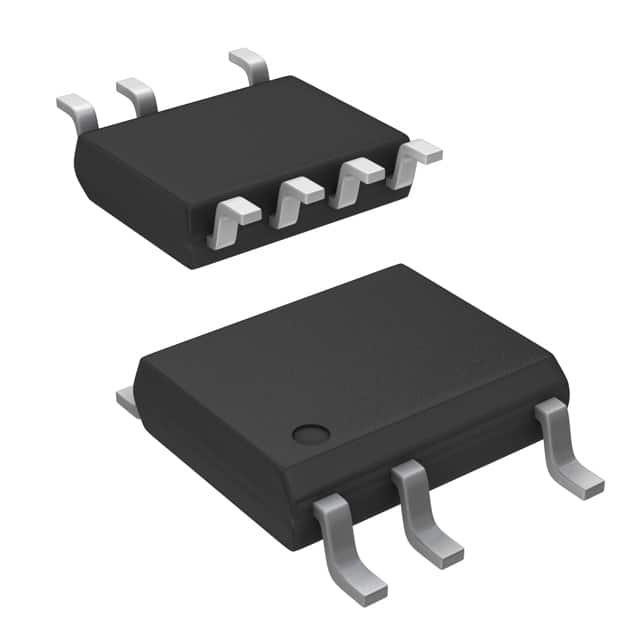
-
LNK304DN-TL Power Integrations
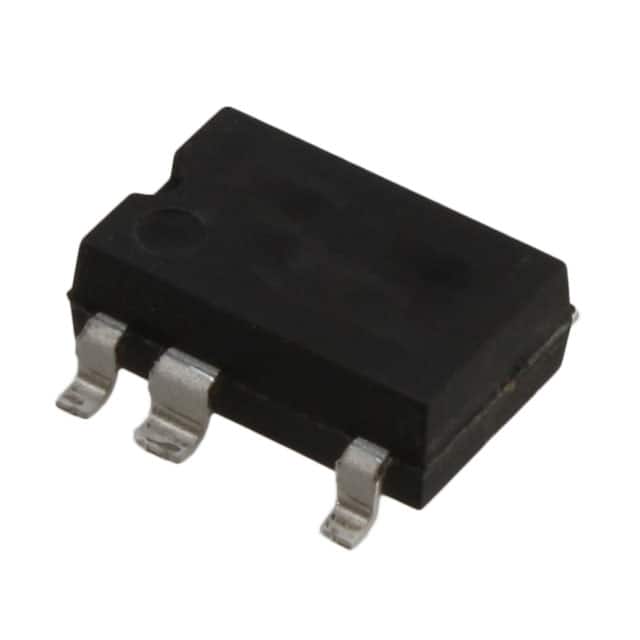
-
LNK304GN-TL Power Integrations
-
LNK304DG-TL Power Integrations
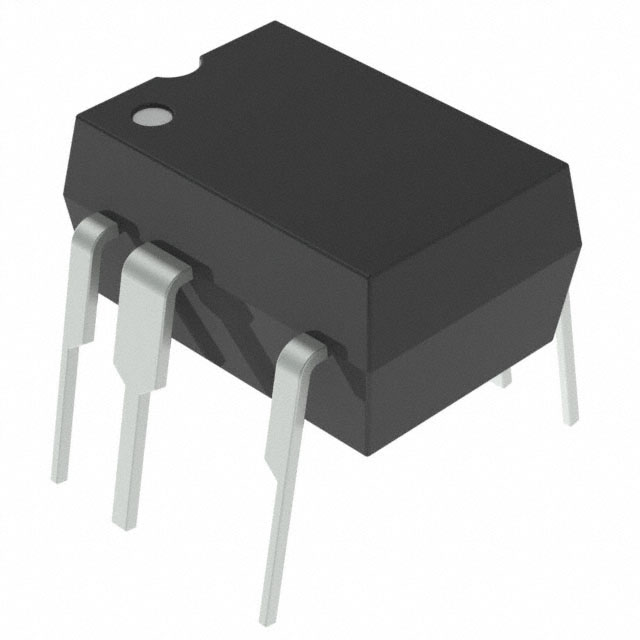
-
TNY277PN Power Integrations
-
TNY276PN Power Integrations
-
TNY278PN Power Integrations
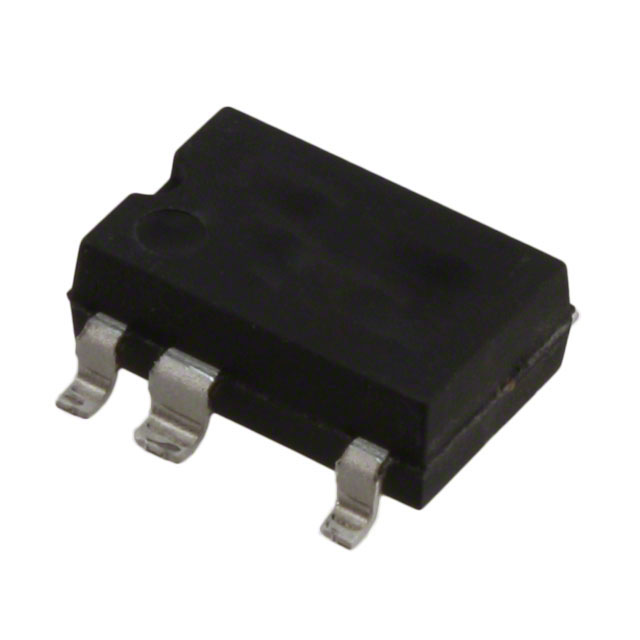
-
TNY278GN-TL Power Integrations
-
TNY280GN-TL Power Integrations
-
TOP266KG-TL Power Integrations
-
TOP258PN Power Integrations
-
TOP253PN Power Integrations
-
TOP253PNAU Power Integrations

- 1500+ Daily average RFQ Volume

- 20,000.000 Standard Product Unit

- 1800+ Worldwide Manufacturers

- 15,000+ In-stock Warehouse