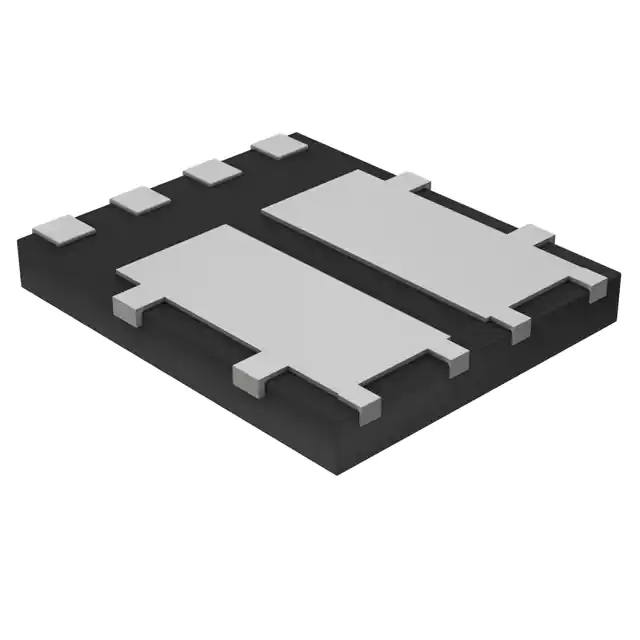
- BSZ180P03NS3EGATMA1 Infineon Technologies
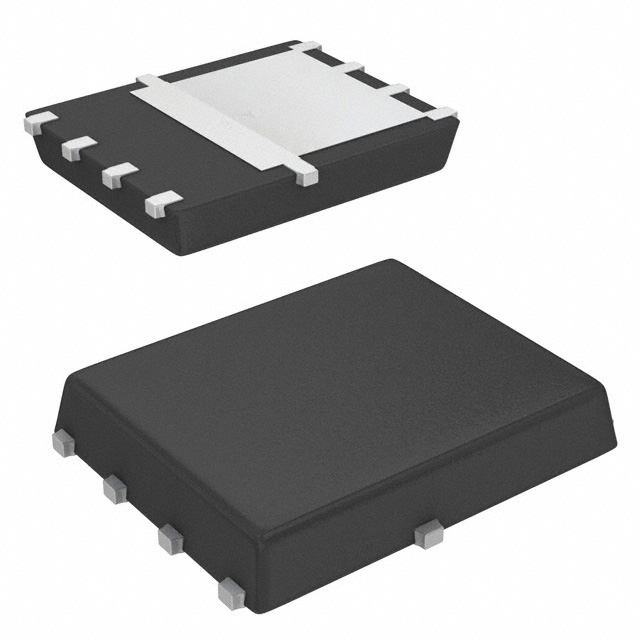
- SIRA14DP-T1-GE3 Vishay Siliconix
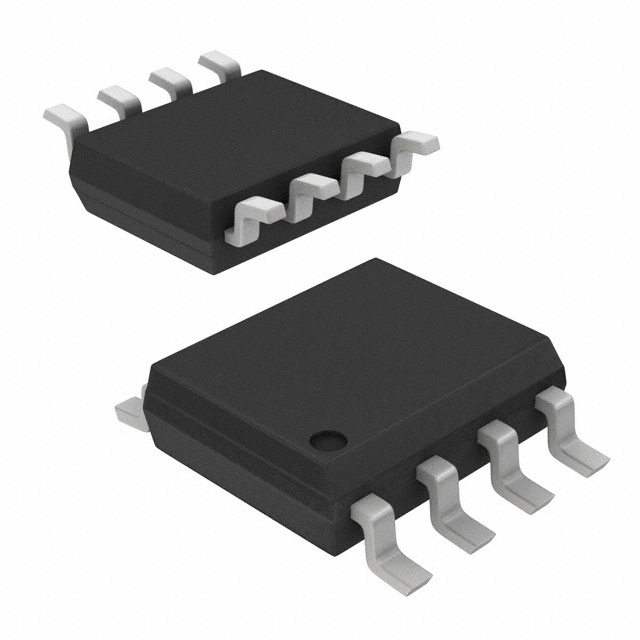
- AO4419 Alpha & Omega Semiconductor Inc.
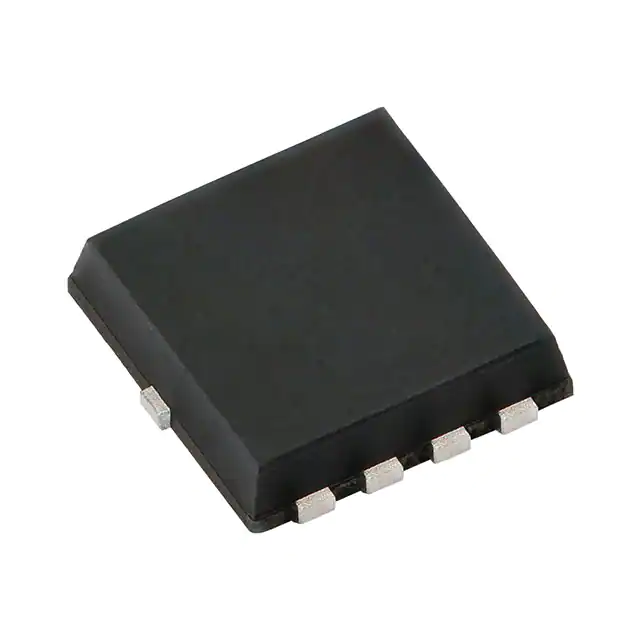
- SISA14BDN-T1-GE3 Vishay Siliconix
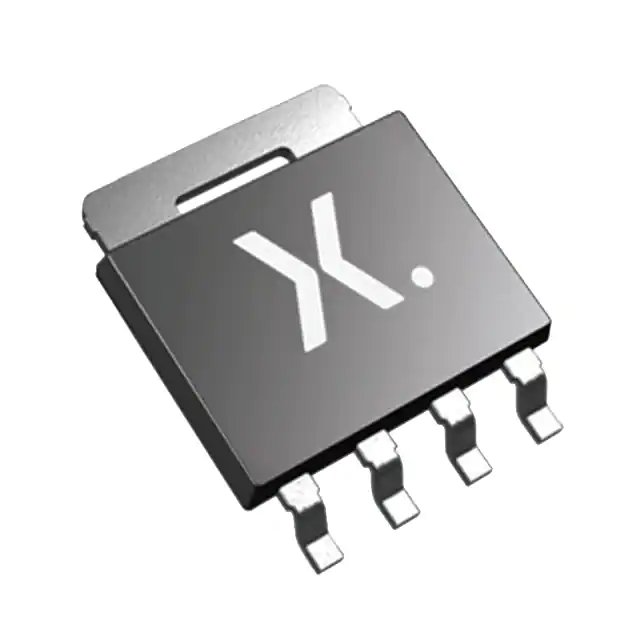
- PSMN9R5-30YLC,115 Nexperia USA Inc.
- BUK9Y21-40E,115 Nexperia USA Inc.

- RTQ035N03HZGTR Rohm Semiconductor
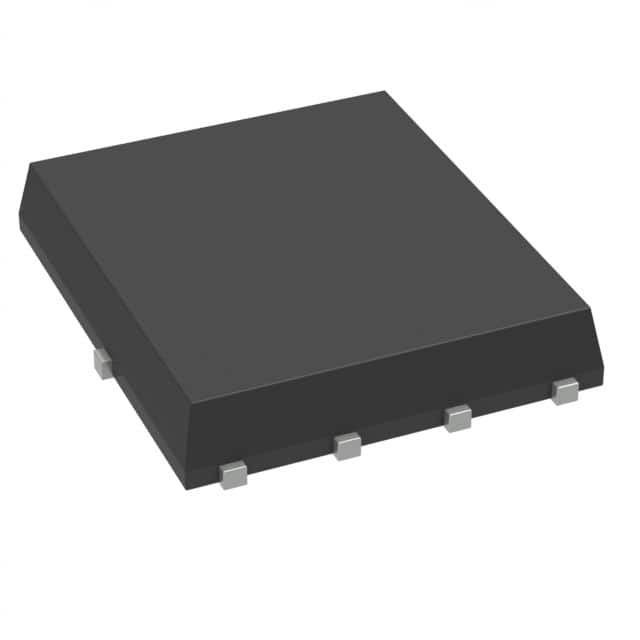
- FDMS7680 onsemi
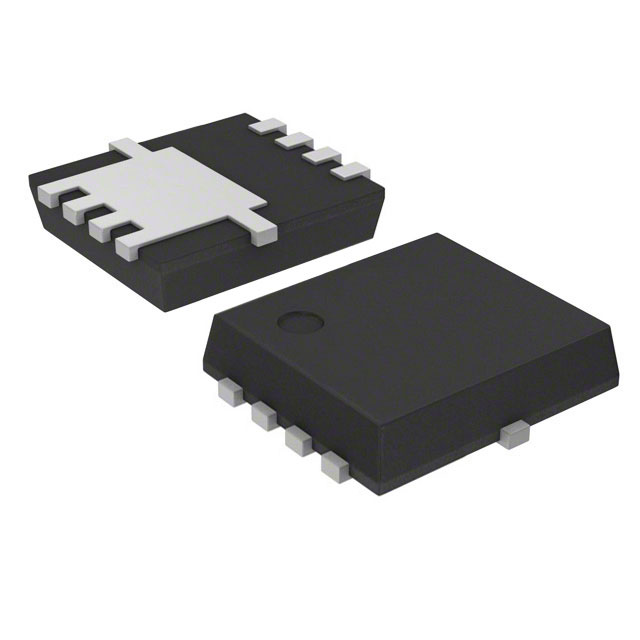
- RQ3E180BNTB Rohm Semiconductor
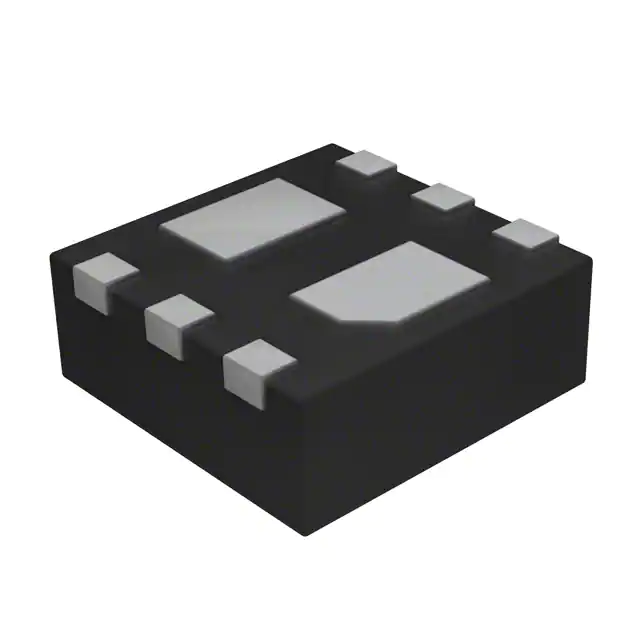
- STL6N2VH5 STMicroelectronics
Q1: Why is an N-Channel MOSFET typically preferred over a P-Channel MOSFET?
A: N-Channel MOSFETs use electrons as charge carriers, which have higher mobility. This results in lower RDS(on) for the same chip size, higher switching speeds, and lower overall cost.
Q2: What does "Logic Level" mean in an N-Channel MOSFET?
A: A Logic Level MOSFET is designed to fully turn on with a low gate-to-source voltage ($V_{GS}$), typically 5V or even 3.3V, making them compatible with direct drive from microcontrollers like Arduino or ESP32.
Q3: Can I use an N-Channel MOSFET for high-side switching?
A: Yes, but it requires a Gate Driver or a Bootstrap circuit to lift the gate voltage above the source voltage (which is connected to the load). For simplicity, P-channel is often used for high-side, though N-channel is more efficient.
Q4: How does RDS(on) affect my circuit design?
A: RDS(on) is the resistance between Drain and Source when the MOSFET is on. A lower RDS(on) reduces power dissipation ($I^2R$ loss), meaning the device stays cooler and operates more efficiently.
Q5: Why is the NCE3400 a popular choice among N-Channel MOSFETs?
A: The NCE3400 is a versatile 30V/5.8A device in a SOT-23 package. Its popularity stems from its high current density and its ability to serve as a high-quality AO3400 replacement.
Q6: How can I identify an N-Channel MOSFET by its marking code?
A: Many SOT-23 N-Channel MOSFETs use short codes like A09T (NCE3400) or 702 (2N7002). At IcMass, we provide a cross-reference database to help you identify parts by these markings.
Q7: What is the significance of Gate Charge (Qg)?
A: Gate Charge (Qg) determines how much energy is needed to turn the MOSFET on and off. Lower Qg allows for faster switching and reduces the drive power requirement, which is critical for high-frequency PWM applications.
Q8: Does an N-Channel MOSFET have a body diode?
A: Yes, almost all discrete N-Channel MOSFETs have an intrinsic body diode from Source to Drain. This is important for handling inductive loads but must be considered to prevent unwanted reverse current.
Q9: Can I parallel multiple N-Channel MOSFETs to handle more current?
A: Yes. MOSFETs have a positive temperature coefficient, meaning as they get hotter, their resistance increases. This naturally helps balance the current between paralleled devices.
Q10: What is "Avalanche Rating" (EAS) in a Power MOSFET?
A: EAS (Single Pulse Avalanche Energy) measures the MOSFET's ability to withstand voltage spikes that exceed its breakdown voltage ($V_{DSS}$) without failing, which is vital for rugged industrial environments.
Q11: How do I find an equivalent for a discontinued N-Channel MOSFET?
A: You can use the IcMass search tool to filter by Voltage, Current, and RDS(on). Our team also provides manual cross-referencing to find drop-in replacements for EOL (End of Life) components.

- 1500+ Daily average RFQ Volume

- 20,000.000 Standard Product Unit

- 1800+ Worldwide Manufacturers

- 15,000+ In-stock Warehouse