VIPER22A Equivalent, Alternative & Replacement Guide | ICMASS
The VIPER22A is the 12W (DIP-8) / 7W (SO-8) offline flyback switcher from STMicroelectronics — a 60kHz current-mode controller with a 730V avalanche-rated MOSFET on one die, used in chargers, standby supplies, and appliance aux rails.
Most engineers looking for a replacement want one of two things: a pin-to-pin drop-in that doesn't force a board change (AP8022, AM22A), or a cost-down alternative with fewer counterfeits in the supply chain (the domestic clones are repeatedly flagged on repair forums as less faked than the ST original).
Before any swap, the forum rule applies: draw the external circuit first — the feedback topology, the transformer, and the power budget decide which replacement actually fits.
VIPER22A vs VIPER12A vs AP8022: Full Comparison
| Parameter | VIPER22A (ST) | VIPER12A (ST) | AP8022 (Analog Power) |
|---|---|---|---|
| Manufacturer | STMicroelectronics | STMicroelectronics | Analog Power (domestic) |
| Package | DIP-8 / SO-8 | DIP-8 / SO-8 | DIP-8 / SOP-8 |
| Pin assignment | 1-2 SOURCE, 3 FB, 4 VDD, 5-8 DRAIN | Identical | Pin-to-pin compatible |
| Switching frequency | 60kHz fixed | 60kHz fixed | 50–60kHz |
| Internal MOSFET | 730V, avalanche-rugged | 730V | >700V |
| Max power (DIP-8, 230VAC) | 12W | 8W | ~12W class |
| Max power (SO-8, 230VAC) | 7W | 5W | ~7W class |
| VDD range | 8–38V | 8–38V | 9–38V |
| Startup threshold | 14.5V | 14.5V | Similar hysteresis |
| Feedback | Secondary-side (opto or Zener) | Identical | Identical |
| Protections | OVP hiccup, OCP, OTP, UVLO | Identical | OVP/UVP/OCP/SCP/OTP |
| Light-load mode | Automatic burst | Automatic burst | Auto-burst, <100mW standby |
| Counterfeit risk (per forums) | High — frequently faked | Moderate | Reported lower |
The comparison in one line: the VIPER12A is the same chip family at a lower power tier — pin-compatible, but 8W against the 22A's 12W. The AP8022 is the pin-to-pin domestic clone aimed at the 22A's footprint, with the same protection set and a lower fake rate in circulation.
When to Use AP8022
Choose the AP8022 when your design already runs a VIPER22A and you want a cost-down second source without a board change — same pinout, same feedback options, same transformer class.
Confirm the 50–60kHz frequency matches your transformer's design point; a transformer wound for 60kHz tolerates the small drift, but verify it before production.
When to Use VIPER12A
Choose the VIPER12A when you're downsizing a design that never used the 22A's full power — if your rail pulls 6W, the 8W-rated 12A costs less and runs cooler. It's also the legitimate answer to "can I swap a 22A for a 12A?": yes, but only if the power budget fits.
When NOT to Use This Chip Class at All
Step away from the VIPER22A class entirely when you need more than ~12W (use a TO-220-packaged switcher or an external-MOSFET controller), tight regulation without an optocoupler (primary-side regulation parts hold ±5% without the opto), or non-isolated rails (an LNK304-class buck drops the transformer and its cost).
Pin-to-pin story: all three parts share the identical DIP-8/SO-8 assignment — SOURCE on 1-2, FB on 3, VDD on 4, DRAIN on 5-8.
That's why the AP8022 claims "no PCB change": the footprint, the transformer connection, and the feedback node are all the same. The differences live in the power tier and the switching frequency, not the pins.
Replacement decision flow: the forum-approved sequence — draw the circuit, confirm the power tier, confirm the feedback topology, confirm the frequency, then swap. After the swap, verify VDD sits at 15–18V while running; a stuck-low VDD means either a bad part or a counterfeited one.
What about designs that skip the optocoupler entirely?
Max output power at 230VAC, DIP-8 — the tier you're really buying:
The 12A tier is not a slightly weaker 22A — it's a 33% power cut. If the original design ran anywhere near 10W, a VIPER12A swap folds back under load.
Pinout & Layout Notes
All three parts share the DIP-8/SO-8 pinout: pins 1–2 SOURCE (circuit ground), pin 3 FB (feedback, 0–1V defines peak drain current), pin 4 VDD (8–38V), pins 5–8 DRAIN (transformer primary). No pin swaps between VIPER22A, VIPER12A, and AP8022.
- Keep the VDD capacitor close to pin 4 — it carries the startup current and sets the restart timing; a long trace invites noise-triggered restarts.
- Keep the DRAIN traces short and wide — the switching node rings at 60kHz with sharp edges; tight loops reduce EMI and spike amplitude.
- Ground the SOURCE pins to a star point — the switching current returns through pins 1-2; a shared ground trace with the feedback path injects noise into FB.
- Plan the thermal path for the package — DIP-8 sinks heat through its pins; leave copper under the body on the board side.
Other Alternatives Worth Knowing
| Part | Relationship | Notes |
|---|---|---|
| SM7012 / SM7022 | Pin-compatible clones | SM7012 fits the VIPER12A tier, VDD 9–39V, no PCB or transformer change claimed |
| AM22A | Multi-drop-in | Marketed as replacing VIPER12A/22A/AP8012/AP8022 in one part |
| OB2226 / FSD22A | Similar-class switchers | Same application space; verify pinout against your board |
| LNK304PN | Different topology | Non-isolated buck — no transformer at all, for 5–12V aux rails |
| VIPER17 / VIPER26 | ST newer generation | Higher performance and features, different pinout — board change required |
Which one to actually pick: for a true drop-in with no board edit, the AP8022 family is the field-proven choice. For a second source that costs the same and behaves the same, the AM22A covers both ST tiers.
And if your rail never needed isolation, the LNK304 removes the transformer and everything that goes with it.
Frequently Asked Questions
Q1: Can the AP8022 replace a VIPER22A without changing the PCB?
A: Yes — it's marketed pin-to-pin for the VIPER22A with the same package, but verify the transformer and power budget. The AP8022 runs 50–60kHz with OVP/UVP/OCP/SCP/OTP and a <100mW standby mode. Forum guidance: draw the external circuit first, confirm the frequency tolerance, then swap.
Q2: Can I use a VIPER12A where a VIPER22A was?
A: Pin-compatible, but only if your power budget fits — 8W (DIP-8) against the 22A's 12W. Same package and pin arrangement, lower current limit. If the design ran near 10W, the 12A will overheat and fold back; stay with the 22A tier.
Q3: Why do repair forums suggest the domestic clones over the ST original?
A: Counterfeit risk — the VIPER22A is one of the most frequently faked offline switchers, while AP8012/AP8022 are reported to be faked less. A fake 22A stalls at a few volts on VDD and never enters switching. The clones' lower fake rate is a supply-chain argument, not a quality verdict on ST's original.
Q4: Do I need to change the transformer for an AP8022?
A: Usually not — the 50–60kHz window covers the 22A's 60kHz design point. A transformer wound for 60kHz runs fine within the clone's frequency range, but confirm the actual switching frequency on the bench if your design is tight on output ripple or EMI.
Q5: My design uses direct Zener feedback. Does that affect the swap?
A: No — all three parts accept both optocoupler and direct-Zener feedback on the same FB pin. The FB pin's 0–1V window maps to peak drain current identically. A shorted Zener in the feedback path is a common failure point worth checking before any swap.
Q6: Are the SM7012/SM7022 real drop-ins?
A: They're marketed as pin-compatible with the VIPER12A tier — no PCB or transformer change claimed — but treat "compatible" as a claim to verify, not a guarantee. Check the VDD range (9–39V), the frequency, and the power tier against your actual design before production ordering.
Q7: What should I validate after the swap?
A: VDD at 15–18V while running, output voltage under load, and switching behavior on a scope. A stuck-low VDD after the swap means a bad or fake part. Run the board at full load for a soak test — power budget mismatches show up as heat, not as an immediate failure.
Q8: What if I need more than 12W?
A: This chip class tops out at 12W (DIP-8) — step up to a TO-220-packaged switcher or an external-MOSFET controller. Pushing 20W+ through a VIPER22A-class part is the classic DIY burn-out story on the forums. Match the power tier to the load, not the other way around.
Related information




-
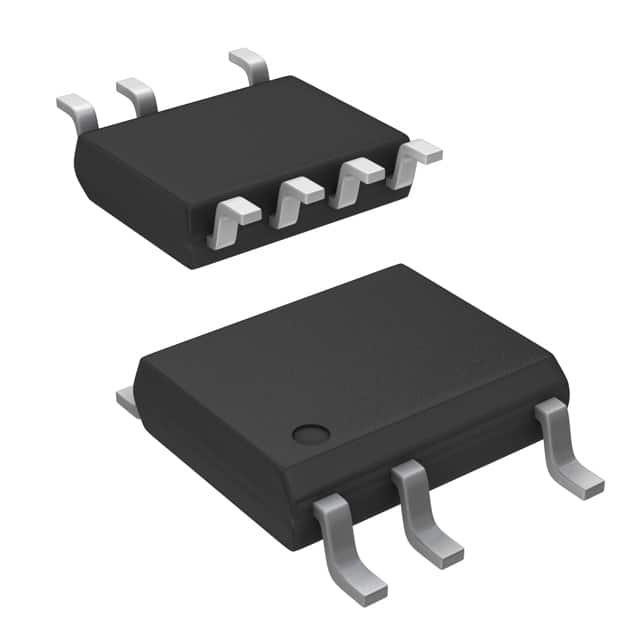
LNK304DN-TL Power Integrations
-
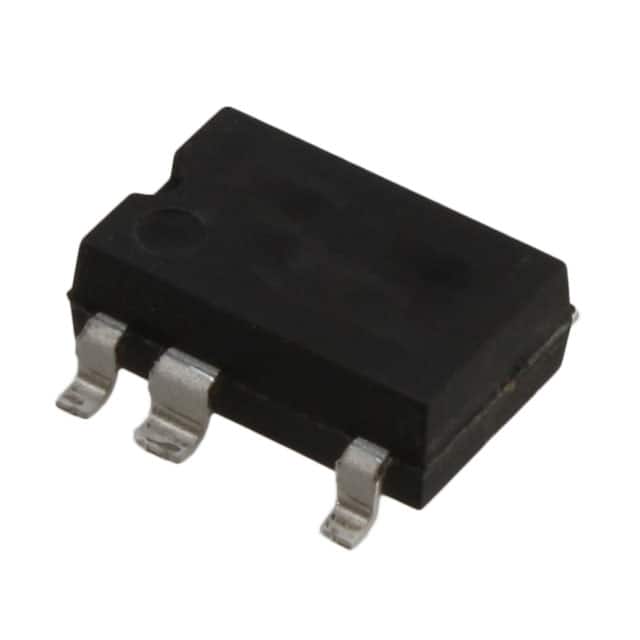
LNK304GN-TL Power Integrations
-
LNK304DG-TL Power Integrations
-
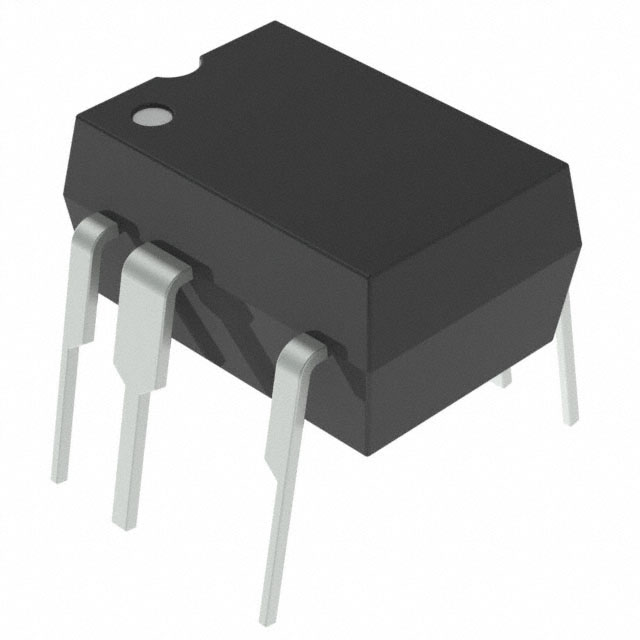
TNY277PN Power Integrations
-
TNY276PN Power Integrations
-
TNY278PN Power Integrations
-
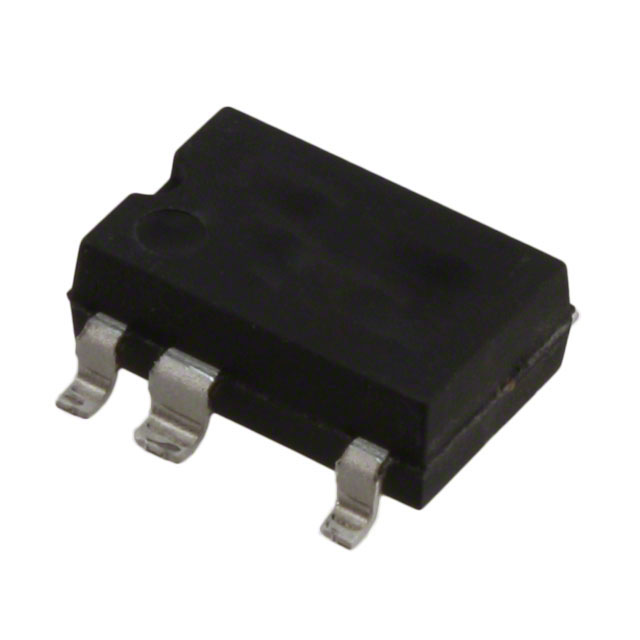
TNY278GN-TL Power Integrations
-
TNY280GN-TL Power Integrations
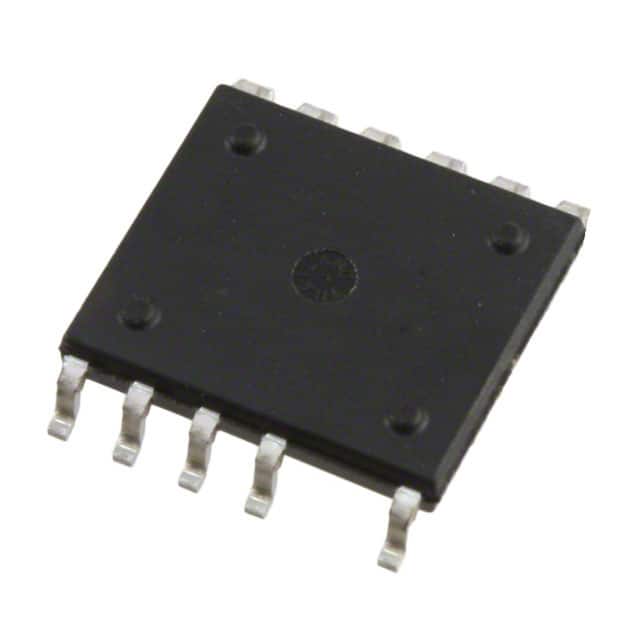
-
TOP266KG-TL Power Integrations
-
TOP258PN Power Integrations
-
TOP253PN Power Integrations
-
TOP253PNAU Power Integrations

- 1500+ Daily average RFQ Volume

- 20,000.000 Standard Product Unit

- 1800+ Worldwide Manufacturers

- 15,000+ In-stock Warehouse