TDA2822 Equivalent, Alternative & Replacement Guide
TDA2822 Equivalent, Alternative & Replacement Guide
The TDA2822 is the budget dual audio amplifier of the 1980s — still everywhere in intercoms, toys, and small radios, and still being replaced by engineers today. It runs from 1.8V to 12V and delivers 0.45W per channel in stereo or up to 0.94W bridged (SOP-8).
Replacement breaks into two camps: pin-compatible clones (TDA2822M, KA2209, D2822M, and a dozen others share the same 8-pin layout) and functional alternatives (MC34119, LM386, PAM8403) that need a board change but fix a specific weakness. Pick by what's wrong with your current build.
From what we see in Shenzhen lots (2025–2026), the replacement question comes up mostly in repair — cassette players, radios, and intercoms built around the family in the 90s, plus the clone versions that kept the socket alive. The pin-compatible list matters more than the part number on the old die.
TDA2822 vs TDA2822M vs KA2209: Full Comparison
| Parameter | TDA2822 (SOP-8) | TDA2822M (DIP-8) | KA2209 (Samsung) |
|---|---|---|---|
| Circuit | Dual Class-AB amp | Same die circuit | Same circuit clone |
| Package | SOP-8 | DIP-8 (Minidip) | DIP-8 |
| Supply Voltage | 1.8V–12V | 1.8V–15V | 1.8V–9V |
| Power Dissipation | 0.5W | 1.0W | 1.0W |
| Stereo Output (6V/4Ω) | 0.45W typ/ch | ~0.65W typ/ch | 0.65W typ/ch |
| Bridged Output (6V/4Ω) | 0.94W typ | 1.35W typ | ~1.3W typ |
| Closed-Loop Gain | 40dB fixed | 40dB fixed | 40dB fixed |
| Pinout | 1=OUT1, 2=VCC, 3=OUT2, 4=GND, 5–8=IN | Identical | Identical |
| Status | Active (UTC production) | Legacy, still available | Obsolete |
The package is the product: same circuit, three footprints, three power budgets. The SOP-8 TDA2822 dissipates 0.5W; the DIP-8 TDA2822M doubles that to 1.0W and unlocks the full 1.35W bridged figure. KA2209 is electrically identical to the DIP-8 but Samsung marked it obsolete — treat it as a source-risk part.
When to Use TDA2822M
When your board already has through-hole space and you want the full power rating. The DIP-8's 1.0W dissipation budget covers the 1.35W bridged output without cooking. It's the drop-in answer for repair and replacement of legacy cassette players, radios, and intercom boards that were built around the Minidip package.
When to Use KA2209 (or its clones)
When you need a second source on an existing DIP-8 footprint. KA2209, D2822M, TB2822M, XG2822M, and CD2822 are pin-compatible builds of the same circuit — swap with no layout change. Two cautions: KA2209 tops out at 9V (vs 15V), and most clones are end-of-life — verify stock.
When NOT to Use a TDA2822 at All
New battery designs — go class-D; mute-critical designs — go MC34119. The PAM8403 gives 3W×2 at ~85% efficiency with cleaner noise; the MC34119's CD pin does mute in one pin. The TDA2822 stays right for repairs and legacy sockets.
Pin-compatible family: TDA2822, TDA2822M, KA2209, D2822M, TB2822M, and XG2822M share this 8-pin layout — pin 1 OUT1, pin 2 VCC, pin 3 OUT2, pin 4 GND, pins 5–8 the four inputs. Board changes are zero between them.
Package trade-off: the DIP-8 body dissipates 1.0W and carries the full bridged power; the SOP-8 halves that to 0.5W and trims output accordingly. Same circuit, different thermal ceilings — check which rating your board actually needs before swapping.
Bridged output power at 6V/4Ω — package and class decide the ceiling:
Going from SOP-8 to DIP-8 buys 40% more bridged power. Going from TDA2822-class to a class-D part more than doubles it again — which is why new designs skip the 2822 entirely.
Pinout & Layout Notes
Pinout (shared across the family): 1 = OUT1, 2 = VCC, 3 = OUT2, 4 = GND, 5–8 = inputs. Stereo uses each input pair; bridge mode grounds IN2+ (pin 6) and feeds IN1− (pin 8).
Decoupling comes first. Fit a 100µF electrolytic right at VCC and keep the ground path short — ripple rejection is only 30dB, so a sloppy supply shows up as hum. The TDA2822 self-oscillates on breadboards; solder it compact with short input leads.
The Zobel network is not optional. A 1R + 0.1µF RC across the speaker output damps the load inductance; omit it and the bridge circuit oscillates. If oscillation persists, swap to 10R + 0.047µF.
Output coupling caps set the bass. 470µF into 4Ω rolls off below ~85Hz — go 2200µF if low end matters, or accept the cutoff on small speakers.
Other Alternatives Worth Knowing
| Part | Type | Key Difference | When It Makes Sense |
|---|---|---|---|
| MC34119 | Voice differential amp | 2.0V floor, mute pin, no coupling caps | Speakerphones and mute-critical voice products |
| LM386 | Single-ended amp | 325mW, gain set by pin, 4–12V | Simple single-channel audio, huge ecosystem |
| PAM8403 | Class-D stereo | 3W×2, ~85% efficient, filterless | New battery designs that need watts and clean audio |
| TDA7050 | Dual amp (legacy) | Functional equivalent, different pinout | Repairs of boards built around the TDA7050 |
Which alternative fixes your problem? Weak volume → PAM8403 or DIP-8 2822. Need mute → MC34119. Single channel and simple → LM386. Nothing wrong, just sourcing → pin-compatible clones.
Frequently Asked Questions
Q1: Is the TDA2822M the same as the TDA2822?
A: Same circuit, different package and power budget. The TDA2822M is the DIP-8 version with 1.0W dissipation; the SOP-8 TDA2822 dissipates 0.5W. Bridged output at 6V/4Ω: 1.35W (M) vs 0.94W (SOP). Pinout is identical, so they swap electrically — the thermal ceiling is the difference.
Q2: Can I drop a KA2209 into a TDA2822 socket?
A: Yes — pin-compatible and electrically close, with two caveats. The KA2209 shares the 8-pin layout and gain structure, and its 6V/4Ω stereo output matches. But Samsung capped its supply at 9V (vs 15V for the TDA2822M) and marked it obsolete — check stock before depending on it.
Q3: What Chinese clones are pin-compatible?
A: D2822M, TB2822M, XG2822M, and CD2822 are the common ones. All reproduce the TDA2822 circuit on the same 8-pin DIP layout. They're legacy parts too — fine for repair sockets, risky for new production unless you confirm supply.
Q4: What is the NJM2073D?
A: New Japan Radio's dual audio amp, pin-compatible with the TDA2822 family. Same 8-pin layout, similar power class. It's a legit cross-sourced option when the usual 2822 clones are out of stock — verify the supply ceiling against your rail before swapping.
Q5: Can the TDA7050 replace a TDA2822?
A: Functionally yes, pin-for-pin no. The TDA7050 is a similar dual amplifier but its pinout differs from the TDA2822 (outputs and supply land on different pins). It's a board-rework replacement, not a socket swap. Use it only when repairing a board already built around the TDA7050.
Q6: Should a new design still use the TDA2822?
A: Not if you can help it — the class-D alternatives win on watts and efficiency. The TDA2822's 30dB ripple rejection and 9mA idle look dated next to a PAM8403 (3W×2, ~85% efficient, cleaner noise). Keep the 2822 for repairs, legacy sockets, and cost floors; design new battery audio around class-D.
Q7: My design needs a mute function — which replacement?
A: The MC34119 — its CD pin is a proper logic-controlled mute. High on the CD pin gives 70dB attenuation in under 2µs and drops current to 65µA. The TDA2822 family has no mute input; you'd add an external switch or transistor to the signal path.
Q8: SOP-8 or DIP-8 for my board?
A: SOP-8 when space and SMT assembly matter; DIP-8 when you need the power. The SOP-8 halves the dissipation budget (0.5W vs 1.0W), trimming bridged output from 1.35W to 0.94W. Through-hole DIP-8 also survives hand-soldering in repair shops better. Pick by thermal need, not footprint preference.
Related information




-
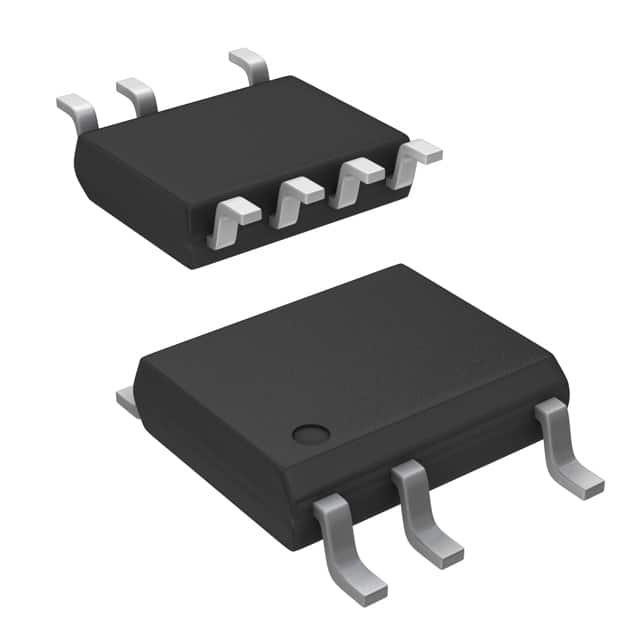
LNK304DN-TL Power Integrations
-
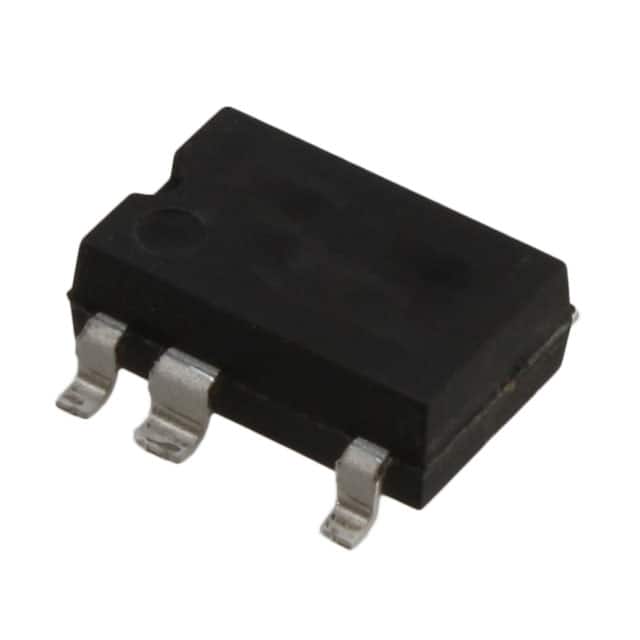
LNK304GN-TL Power Integrations
-
LNK304DG-TL Power Integrations
-
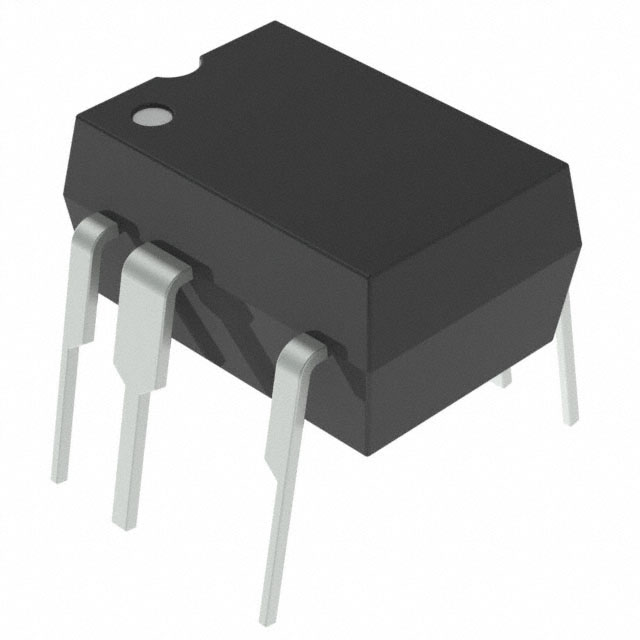
TNY277PN Power Integrations
-
TNY276PN Power Integrations
-
TNY278PN Power Integrations
-
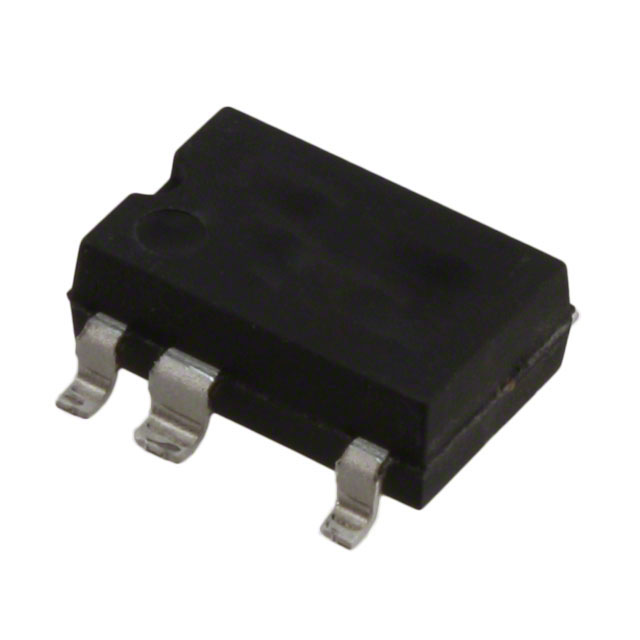
TNY278GN-TL Power Integrations
-
TNY280GN-TL Power Integrations
-
TOP266KG-TL Power Integrations
-
TOP258PN Power Integrations
-
TOP253PN Power Integrations
-
TOP253PNAU Power Integrations

- 1500+ Daily average RFQ Volume

- 20,000.000 Standard Product Unit

- 1800+ Worldwide Manufacturers

- 15,000+ In-stock Warehouse