MC34119, TDA2822, or PAM8403 — Which Small Audio Amp IC Should You Use?
MC34119, TDA2822, or PAM8403 — Which Small Audio Amp IC Should You Use?
Pick the amplifier by output topology, not by price — the three cheap 8-pin parts cover 90% of small audio designs, and each solves a different problem.
From what we see in Shenzhen lots (2025–2026), most customers who order the wrong amp pick by price or by a friend's BOM. The parts cost nearly the same; the difference is what happens at 3V, at 4Ω, and when the product needs silence.
Short version: voice + mute → MC34119; stereo music → TDA2822; battery watts → PAM8403.
What the Three Classes Actually Are
Three amplifier classes dominate small audio: voice-band differential, stereo class-AB, and class-D. Each was built for a different product, and the datasheet tells you which.
| Class | Representative | Output | Power @ 6V | Signature Feature |
|---|---|---|---|---|
| Voice-band differential | MC34119 | Differential, no coupling cap | 250mW / 32Ω | Mute pin, 2.0V floor |
| Stereo class-AB | TDA2822 | Single-ended ×2, or bridged | 0.45W/ch, 0.94W bridge | 1.8V floor, cheap as chips |
| Class-D | PAM8403 | Filterless, ~85% efficient | 3W/ch | Battery life, low heat |
The MC34119 is a speakerphone part that happens to be an amplifier. The TDA2822 is the 1980s stereo workhorse that never died. The PAM8403 is what the 1980s would have built if class-D were cheap.
A Three-Question Decision Tree
Three questions settle the choice before you look at a pinout: voice or music? mute or always-on? battery or wall?
Decision flow: voice with mute → MC34119; voice without mute (or loud voice) → TDA2822 bridged; music on battery → PAM8403; music on a 5V+ rail → TDA2822 stereo.
One note from the bench: the decision tree looks obvious on paper, but in our experience (2025–2026) the most common mis-pick is mute — designs that need a logic-controlled silence end up on a part without one, then bolt on a transistor switch. The MC34119's CD pin exists exactly for that.
The Power Reality Check
Datasheet power figures hide two traps: the package and the load impedance. Both change what a "1W" part actually delivers.
| Part | Rated Power | Package Limit | Real-World Ceiling |
|---|---|---|---|
| MC34119 | 250mW @ 6V/32Ω | Differential swing | ~250mW into 32Ω |
| TDA2822 SOP-8 | 0.94W bridged | 0.5W dissipation | ~0.94W into 4Ω |
| TDA2822M DIP-8 | 1.35W bridged | 1.0W dissipation | ~1.35W into 4Ω |
| PAM8403 | 3W/ch | ~85% efficient | ~3W into 4Ω, cool die |
Bridged/single-channel power at 6V — class-D doubles the ceiling:
The SOP-8 vs DIP-8 gap is the one customers miss most: the same TDA2822 die delivers 0.94W or 1.35W bridged depending on which package you ordered. Same part number family, 40% power difference.
When NOT to Use Any of These
Three situations where all three parts are the wrong answer — and what to reach for instead.
| Scenario | Why the cheap three fail | What to use |
|---|---|---|
| Headphone-only products | Amplifier power wasted, output stage overkill | Dedicated headphone amp (maxim-class) or op-amp |
| Automotive audio | 85°C+ ambient, AEC-Q100 needed | Automotive-grade class-D or AB |
| Reference-grade audio | THD and noise floor are 1980s specs | Modern discrete or class-D with feedback |
The "cheap three" are for products that make sound, not products that make audiophile sound. A doorbell, a toy, an intercom, a radio — those are the home turf. The moment a BOM says "hi-fi" or "car," these parts are out of their depth.
Frequently Asked Questions
Q1: Which of the three is cheapest?
A: The TDA2822 is usually the cheapest, but they're all within pennies. At volume, the TDA2822 and PAM8403 trade places depending on the week; the MC34119 is rarely the cheapest. Price is the worst selection criterion here — a wrong topology costs more in rework than any price difference.
Q2: Can I use the MC34119 for music?
A: Technically yes; practically no. Its gain shaping and bandwidth are tuned for the 300Hz–3.4kHz voice band. Music plays, but it sounds like a phone call — because that's what the part is. Use the TDA2822 or PAM8403 for music.
Q3: Do I need an LC filter with the PAM8403?
A: No — it's filterless by design. The PAM8403 drives the speaker directly with a spread-spectrum PWM output. Keep the speaker wires short (under ~10cm) and it passes EMC without output inductors, which is why it dominates battery designs.
Q4: What's the biggest amplifier mistake in small products?
A: Picking the amp before defining the speaker load. From our experience (2025–2026), boards fail or sound weak because the amp was chosen for price while the speaker ended up at an impedance the part wasn't rated for. Define load impedance and target power first; the part number follows.
Q5: Can I bridge the MC34119 for more power?
A: No — it's already differential. The outputs swing in opposition by design, which is the bridge principle built in. There's no further bridging possible; to get more power you move to the TDA2822 bridged or class-D.
Q6: Which one should I stock first?
A: All three — they cover three different product families. If you stock only one: the TDA2822 (covers stereo and bridged voice at the lowest cost). Add the MC34119 for speakerphone products and the PAM8403 for battery designs, and your bench covers the whole small-audio space.
Related information




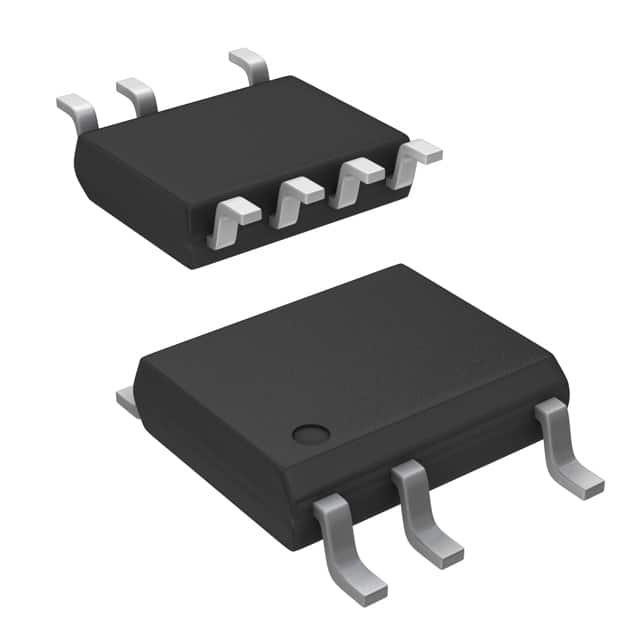
-
LNK304DN-TL Power Integrations
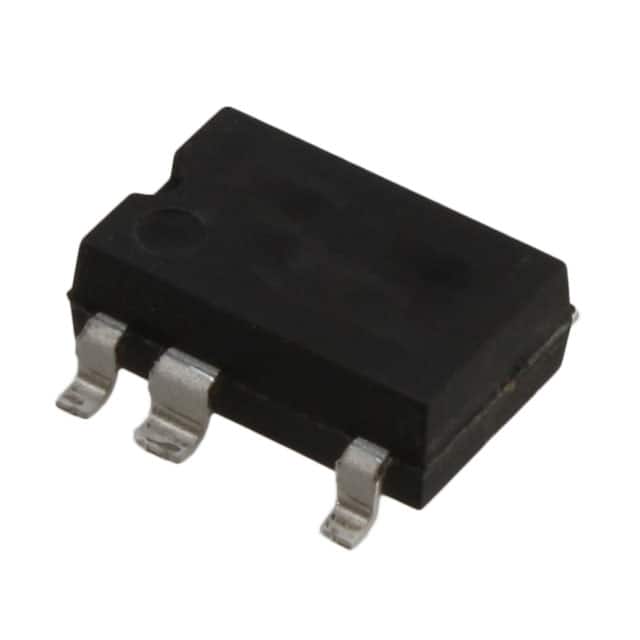
-
LNK304GN-TL Power Integrations
-
LNK304DG-TL Power Integrations
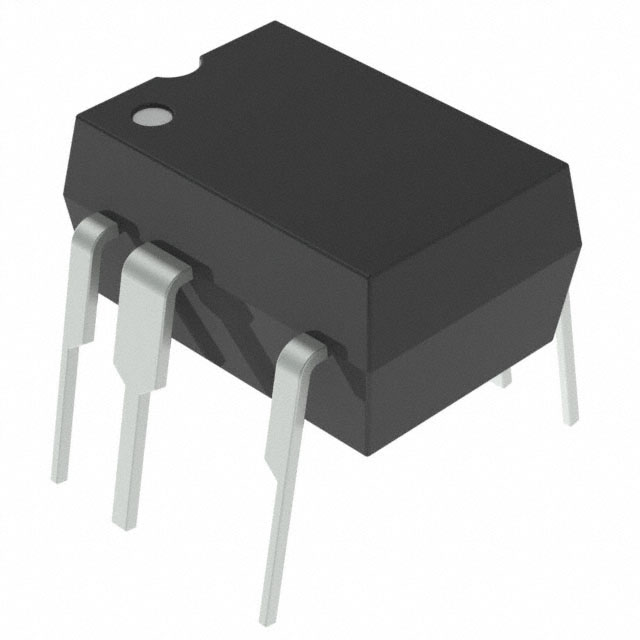
-
TNY277PN Power Integrations
-
TNY276PN Power Integrations
-
TNY278PN Power Integrations
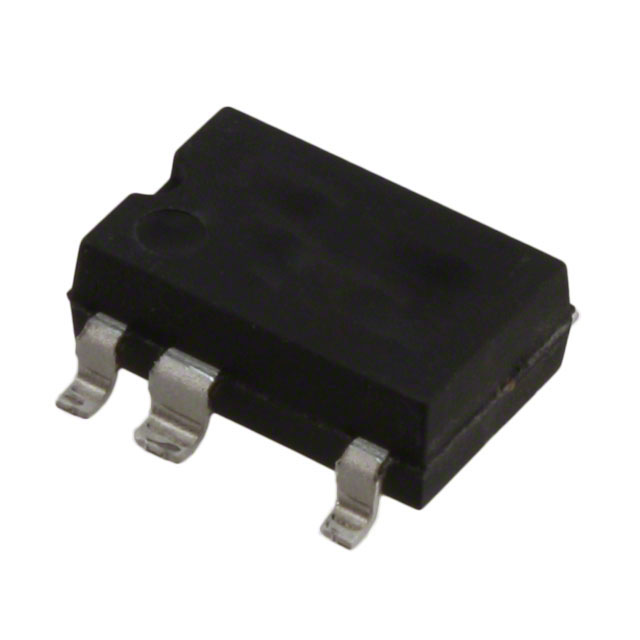
-
TNY278GN-TL Power Integrations
-
TNY280GN-TL Power Integrations
-
TOP266KG-TL Power Integrations
-
TOP258PN Power Integrations
-
TOP253PN Power Integrations
-
TOP253PNAU Power Integrations

- 1500+ Daily average RFQ Volume

- 20,000.000 Standard Product Unit

- 1800+ Worldwide Manufacturers

- 15,000+ In-stock Warehouse