LM2596 Equivalent & Replacement — the 5 Parts That Actually Swap In (and How to Spot a Fake)
LM2596 Equivalent & Replacement — the 5 Parts That Actually Swap In (and How to Spot a Fake)
Short answer: the LM2576 is the closest functional equivalent, TPS5430 is the modern upgrade, and XL4015 takes you to 5A with CC/CV — but none of them is pin-compatible with a genuine LM2596 module unless the board was laid out for it.
The bigger problem isn't choosing a replacement — it's that a huge share of the "LM2596" modules sold today don't contain an LM2596 at all. Tested modules have run at 18kHz and 52kHz against the genuine part's 150kHz, with ~400mV ripple and fakes that scorch at rated load.
Here's the real equivalent table, the frequency test that catches fakes, and the swap mistakes that break boards.
What Are the Best LM2596 Equivalents and Replacements?
| Part | Input | Output | Frequency | Key Difference |
|---|---|---|---|---|
| LM2596 (baseline) | 4.5–40V | 3A, 1.23–37V adj / fixed 5V | 150kHz | The classic asynchronous buck |
| LM2576 | 7–40V (60V HV) | 3A | 52kHz | Closest functional equivalent; needs larger inductor (33–100µH) |
| TPS5430 | 5.5–36V | 3A | 500kHz | Synchronous, up to 95% efficiency, modern loop |
| XL4015 | 4–38V | 5A, CC/CV | 180kHz | Higher current plus constant-current mode |
| XL1509 | 4.5–40V | 2A | 150kHz | Drop-in-style clone family for 2A designs |
| MC34063 | 3–40V | ~1.5A | Set by timing cap | Older part; only worth it if already on the BOM |
Read the frequency column first. It decides your inductor: the LM2596's 150kHz keeps magnetics small, the LM2576's 52kHz wants 33–100µH, and the TPS5430's 500kHz shrinks them further. A replacement that doesn't tell you the frequency will bite you at the inductor shelf.
Typical efficiency at a few amps, 12V→5V: the synchronous parts pull away as current rises — at 3A the LM2576 wastes about half a watt more than the TPS5430. At 24/7 loads that's a heatsink difference.
Which Replacement Should I Pick for My Design?
✅ Pick LM2576 when: you want a direct functional swap, the 52kHz is fine in your EMI budget, and you have room for the larger inductor. It's the closest thing to a like-for-like LM2596 replacement.
✅ Pick TPS5430 when: efficiency matters — battery gear, 24/7 loads, or anything heat-sensitive. The synchronous rectifier buys ~7 points of efficiency at 3A, at the price of a newer loop and tighter layout discipline.
✅ Pick XL4015 when: you need more than 3A or want constant-current behavior. Its 5A rating and CC/CV modes make it the charger-and-LED board favorite, but it's not pin-compatible — it's a module-level or re-layout replacement.
❌ Don't swap in the LM2576 without rechecking the inductor. A 22µH part tuned for the LM2596's 150kHz will saturate at 52kHz, run hot, buzz, and die — the exact failure pattern reported in the forums.
How Do I Tell a Genuine LM2596 from a Counterfeit?
The frequency test is the one test that works. Genuine LM2596 switches at 150kHz; tested counterfeits ran at 52kHz, 26kHz, even 17kHz, and one Hackaday batch showed 18kHz with ~400mV ripple on a 5V rail. No multimeter catches it — you need the scope on the switch node.
And the price test: a genuine LM2596 costs about $5 at an authorized distributor. Modules that sell for under $1 still make money at that price — the difference comes out of the chip and the capacitors.
Why Do Cheap LM2596 Modules Buzz, Heat, and Die?
Four causes stack together, and counterfeits trigger all of them. A fake running at the wrong frequency saturates the inductor, high-ESR electrolytics run past their ripple rating and cook, the chip itself overheats, and eventually the output goes out of spec.
The buzzing-inductor fix is documented. A 24V→18V LM2596-adj build with a hot, buzzing 33µH inductor was fixed by going to 100µH — the original was simply overloaded at that drop.
And check the input polarity before blaming the chip. One "why is my LM2596 blowing up" thread on AllAboutCircuits ended when the user admitted connecting 12V backwards — the part dies instantly, and no replacement fixes that.
Frequently Asked Questions About LM2596 Equivalents
Q1: What is the closest equivalent to the LM2596?
A: The LM2576 — same 3A asynchronous buck class, 1.23–37V adjustable, TO-220/TO-263 footprints. The catch: it runs at 52kHz versus 150kHz, so it needs a larger inductor (33–100µH) and its efficiency is a few points lower.
Q2: How do I know if my LM2596 is counterfeit?
A: Measure the switching frequency with an oscilloscope — genuine parts run at 150kHz, tested fakes at 18–53kHz. Also check price (genuine ~$5 at distributors, modules under $1) and markings: a National Semiconductor logo on a new chip is impossible — TI bought NSC in 2011.
Q3: Why is my LM2596 module buzzing and the inductor hot?
A: The inductor is saturating — usually undersized for the frequency. A 24V→18V build with a hot, buzzing 33µH inductor was fixed by moving to 100µH. If the chip is also counterfeit, the wrong frequency makes it worse.
Q4: Can I just swap an LM2576 into an LM2596 board?
A: Electrically yes, mechanically mostly — but recheck the inductor first. The 52kHz loop wants 33–100µH; a 22µH part tuned for 150kHz will saturate, run hot, and die. Check the feedback divider too — both regulate 1.23V reference but verify the divider matches your target.
Q5: Is the TPS5430 a better choice than the LM2596?
A: For efficiency, yes — synchronous rectification buys about 7 points at 3A. It runs at 500kHz (smaller magnetics) but 5.5–36V input means no 40V rails, and the loop is modern: tighter layout rules apply.
Q6: Can XL4015 replace LM2596 for higher current?
A: As a design decision, yes — 5A with CC/CV modes. As a drop-in, no — it's not pin-compatible. It's the right call for charger and LED-driver boards at module level, but a genuine LM2596 layout needs rework.
Q7: What does fake-chip ripple actually look like?
A: About 400mV on a 5V rail — almost 10% — at 18kHz ripple frequency. Hackaday measured exactly that on a bargain module; other fakes showed 53kHz switching. The DC average may still sit at 5.0V, which is why the fakes can look fine on a multimeter.
Q8: I don't have an oscilloscope — how do I verify the chip?
A: You can't reliably — sound-card scope apps cap around 44kHz, below the 150kHz signal. Treat unknown-seller modules as fake, buy from authorized distributors, and skip the module lottery entirely if the load matters.
Q9: Why do the capacitors on my module get hot?
A: High-ESR electrolytics running past their ripple-current rating. A DIY Stack Exchange user put it simply: "if the caps are warm, it will die." Swap in low-ESR output caps rated for the ripple current, and expect the cheap electrolytics to be the first thing to go.
Q10: Is the LM2596 still worth designing with in 2026?
A: Yes, for its simplicity and legacy — if you can source genuine parts. The datasheet loop is fifty years old in spirit and needs no exotic layout. For anything efficiency- or EMI-critical, the synchronous parts are better; for 3A general buck work, a genuine LM2596 remains a fine, cheap, well-documented choice.
Related information




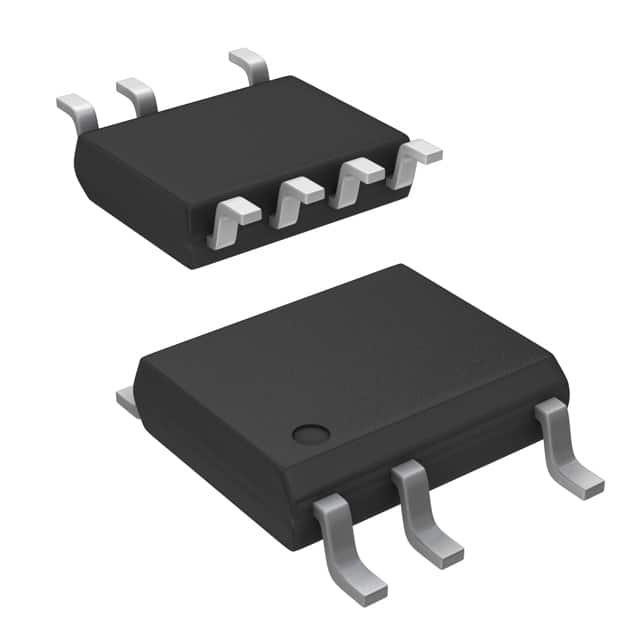
-
LNK304DN-TL Power Integrations
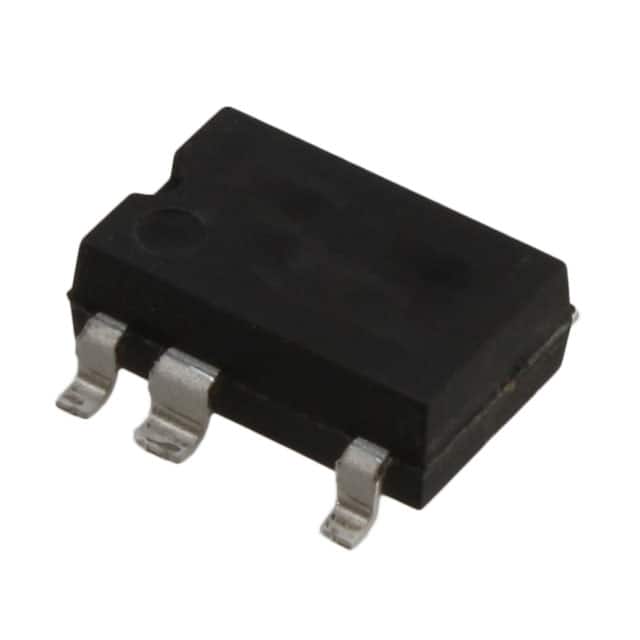
-
LNK304GN-TL Power Integrations
-
LNK304DG-TL Power Integrations
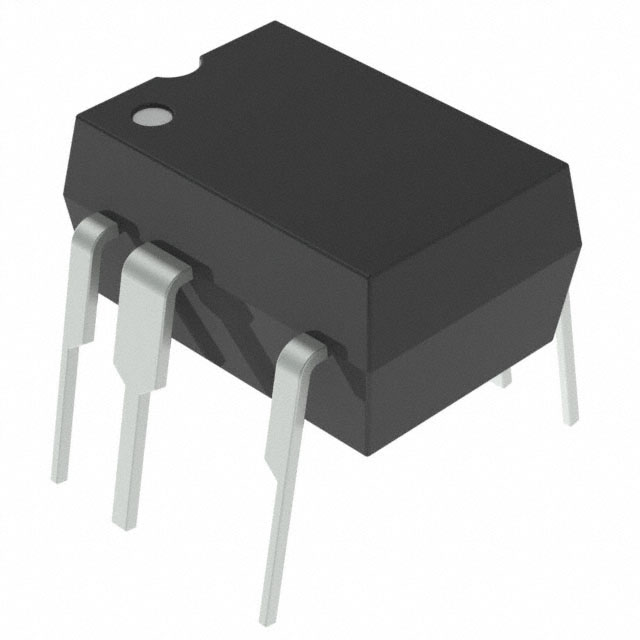
-
TNY277PN Power Integrations
-
TNY276PN Power Integrations
-
TNY278PN Power Integrations
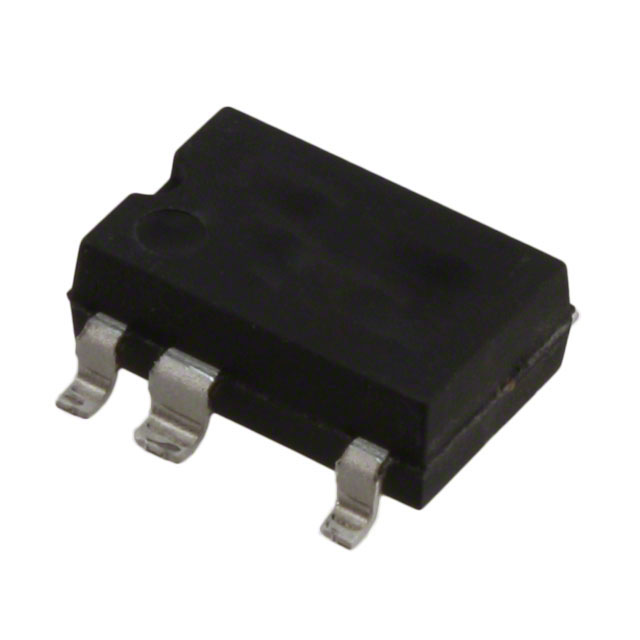
-
TNY278GN-TL Power Integrations
-
TNY280GN-TL Power Integrations
-
TOP266KG-TL Power Integrations
-
TOP258PN Power Integrations
-
TOP253PN Power Integrations
-
TOP253PNAU Power Integrations

- 1500+ Daily average RFQ Volume

- 20,000.000 Standard Product Unit

- 1800+ Worldwide Manufacturers

- 15,000+ In-stock Warehouse