Silicon Labs CP2102
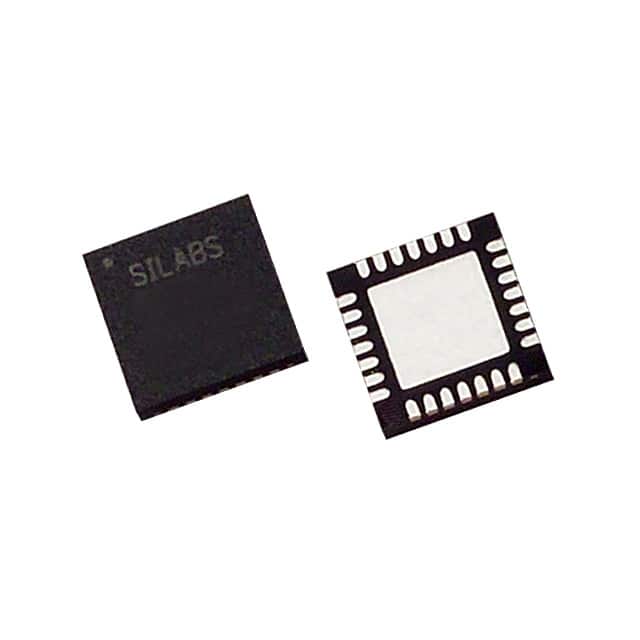

- Part No.:
- CP2102
- Manufacturer:
- Silicon Labs
- Category:
- Controllers
- Package:
- 28-VFQFN Exposed Pad
- Description:
- IC USB-TO-UART BRIDGE 28VQFN
- Quantity:
-
Unit Price:$0
Ext Price:$0
- Payment:
-

- Shipping:
-


CP2102 Information
- Specifications
- Product Details
- Comparison
- Tags
- Product attributes
- Attribute value
- Manufacturer:
- Silicon Labs
- Package/Case:
- 28-VFQFN Exposed Pad
- Programmable:
- Not Verified
- Protocol:
- USB
- Function:
- Bridge, USB to UART
- Interface:
- UART
- Standards:
- USB 2.0
- Voltage - Supply:
- 3V ~ 3.6V
- Current - Supply:
- 20mA
- Operating Temperature:
- -40°C ~ 85°C
- Supplier Device Package:
- 28-QFN (5x5)
- Grade:
- -
- Qualification:
- -
CP2102 - Single-Chip USB to UART Bridge Controller from Silicon Labs
What Are the Technical Specifications of CP2102?
| Parameter | Value |
|---|---|
| IC Type | USB 2.0 to UART Bridge Controller |
| USB Standard | USB 2.0 Full-Speed (12 Mbps) |
| UART Baud Rates | 300 bps to 1 Mbps |
| Data Bits | 5, 6, 7, 8 |
| Stop Bits | 1, 1.5, 2 |
| Parity | Odd, Even, Mark, Space, None |
| Hardware Flow Control | RTS/CTS |
| Modem Control Signals | DTR, DSR, RTS, CTS, DCD, RI |
| Receive Buffer | 576 bytes |
| Transmit Buffer | 640 bytes |
| Supply Voltage (Bus-Powered) | 4.0V to 5.25V (from USB VBUS) |
| Supply Voltage (Self-Powered) | 3.0V to 3.6V |
| On-Chip Regulator Output | 3.3V, up to 100mA |
| Internal Oscillator | 48MHz ±0.25% (no external crystal needed) |
| Operating Current | 20mA typical, 26mA max |
| Suspend Current | ~15µA |
| Internal EEPROM | 1024 bytes (VID/PID/serial configurable) |
| GPIO Pins | 4 (configurable) |
| Operating Temperature | -40°C to +85°C |
| Package | QFN-28 (5mm × 5mm) |
| Manufacturer | Silicon Labs |
What Are the Alternatives to CP2102?
| Part Number | Manufacturer | Key Difference | Approx. Price (qty 1) |
|---|---|---|---|
| CP2102N-A02-GQFN28 | Silicon Labs | Next-gen: 3Mbaud, 9.5mA, USB-C friendly | ~$1.80 |
| CP2104 | Silicon Labs | Smaller QFN-24 (4×4mm) | ~$1.50 |
| CH340G | WCH | SOP-16, 2Mbps, requires 12MHz crystal | ~$0.15 |
| CH340C | WCH | SOP-16, built-in crystal | ~$0.20 |
| CH340N | WCH | SOP-8 ultra-compact, built-in crystal | ~$0.18 |
| FT232RL | FTDI | SSOP-28, 3Mbps, full modem, premium | ~$4.50 |
| FT232RNL | FTDI | Newer QFN-32, lower cost | ~$2.50 |
CP2102 vs CH340G - Detailed Comparison
| Parameter | CP2102 | CH340G |
|---|---|---|
| Manufacturer | Silicon Labs (USA) | WCH (China) |
| Package | QFN-28 (5×5mm) | SOP-16 (10×6mm) |
| External Crystal | Not required (built-in 48MHz) | Required (12MHz) |
| Max Baud Rate | 1 Mbps | 2 Mbps |
| On-Chip 3.3V Regulator | Yes (100mA) | No |
| EEPROM | Yes (1024 bytes) | No |
| Driver Quality (macOS) | Excellent | Manual install needed |
| Hand-Solder Friendly | No (QFN) | Yes (SOP) |
How Much Does CP2102 Cost and Is It in Stock?
| Quantity | CP2102-GMR (Silicon Labs) | CP2102N-A02 (Next-Gen) | CH340G (Budget Alt) |
|---|---|---|---|
| 1-9 | $2.00 - $3.00 | $1.80 - $2.50 | $0.15 - $0.50 |
| 10-99 | $1.50 - $2.00 | $1.36 - $1.80 | $0.12 - $0.25 |
| 100-999 | $1.20 - $1.60 | $1.10 - $1.50 | $0.10 - $0.15 |
| 1,000+ | $0.88 - $1.20 | Contact ICMASS | $0.08 - $0.12 |
ICMASS stocks both original CP2102 and CP2102N, plus pre-assembled CP2102 USB-UART modules (6-pin: VCC, GND, TXD, RXD, DTR, RTS). Same-day dispatch from Shenzhen.
What Are the Typical Applications of CP2102?
- Microcontroller Programming and Debug Console - Standard USB-UART bridge for ESP32, STM32, ATmega328P, MSP430. 6-pin module (VCC, GND, TXD, RXD, DTR, RTS) is the de facto dev board standard.
- Legacy RS-232 Device USB Upgrade - Replace a DB9 serial port with USB. Custom VID/PID via internal EEPROM makes the device appear with your company name in Device Manager.
- Industrial Data Acquisition and Sensor Logging - Full modem control signals (DTR, DSR, RTS, CTS, DCD, RI) for industrial equipment. Royalty-free driver distribution license.
- Battery-Powered IoT Gateways - 15µA suspend current. Bus-powered mode means it's only active when USB is connected. CP2102N cuts active current to 9.5mA.
- Raspberry Pi and SBC Console - Headless console access, kernel debugging, and bootloader recovery via GPIO UART pins - no monitor or keyboard needed.
Why Buy CP2102 from ICMASS?
- Genuine Silicon Labs parts, full traceability. Sourced from Silicon Labs authorized distribution. Date code and lot traceability provided.
- ICs and pre-assembled modules in one order. QFN-28 chips for production plus 6-pin modules for your firmware team's benches - one invoice.
- We help you get the driver right. CP2102 driver issues are the #1 support ticket source. We provide the latest Silicon Labs driver links, INF customization tips, and VID/PID programming guidance before you order.
- Same-day dispatch, Shenzhen stock. Orders before 15:00 CST ship same day. Combine with your MCU, LDO, and connector orders.
Frequently Asked Questions About CP2102
Q1: Does CP2102 need an external crystal?
A: No. The CP2102 has a built-in 48MHz oscillator with ±0.25% accuracy - no external crystal or resonator is required. This is a key advantage over the CH340G, which needs a 12MHz external crystal. The internal clock is accurate enough for all standard UART baud rates including 921600 and 1Mbps.
Q2: Can CP2102 provide 3.3V power to my circuit?
A: Yes, the internal 5V-to-3.3V regulator can supply up to 100mA on the VDD pin. This is enough for a small MCU or level shifter, but not enough for power-hungry peripherals like ESP32 in Wi-Fi transmit mode (300-500mA). Use a dedicated 3.3V LDO for the ESP32.
Q3: Why is my CP2102 not recognized on Windows 11?
A: Windows 11 does not include a built-in CP2102 driver. Download the CP210x Universal Windows Driver from Silicon Labs' website, run the installer as Administrator, then reconnect the device. If the driver signature is blocked, temporarily disable driver signature enforcement.
Q4: What is the difference between CP2102 and CP2102N?
A: CP2102N is the next-generation upgrade: lower active current (9.5mA vs 20mA), higher max baud rate (3Mbaud vs 1Mbaud), USB Battery Charger Detection, better USB-C compatibility. Pin-compatible with CP2102 in QFN-28. Both use the same VCP driver.
Q5: How do I customize the VID/PID and product name on CP2102?
A: Use Silicon Labs' free Simplicity Studio or the standalone CP210x Customization Utility. Connect the CP2102 via USB, launch the tool, and reprogram the 1024-byte internal EEPROM with your custom Vendor ID, Product ID, serial number, and product description strings. Changes persist through power cycles.
Q6: Can CP2102 work with a USB-C connector?
A: The original CP2102 works with USB-C using a USB-C to USB-A cable, but may not enumerate with USB-C to USB-C cables unless you add two 5.1kΩ pull-down resistors on the CC1 and CC2 pins. The newer CP2102N handles USB-C more gracefully. For new USB-C designs, use CP2102N.
Q7: What is the maximum baud rate CP2102 supports reliably?
A: 1Mbps (1,000,000 baud). Higher custom rates are theoretically possible but not guaranteed by Silicon Labs. For reliable operation above 1Mbps, use CP2102N (3Mbaud) or FT232RL (3Mbaud). Most embedded applications run at 115200 or 921600 - both well within spec.
Q8: How do I fix "Access Denied" on Linux?
A: Add your user to the dialout group: sudo usermod -a -G dialout $USER, then log out and back in. The cp210x kernel module loads automatically (kernel 3.4+), but by default only root and dialout group members can access /dev/ttyUSB*.
Q9: Does the CP2102 support hardware flow control (RTS/CTS)?
A: Yes. CP2102 provides full RS-232 modem control signals: RTS, CTS, DTR, DSR, DCD, and RI. For most MCU programming applications, only RTS and DTR are used (for auto-reset/bootloader entry).
Q10: Can I use one CP2102 to program multiple MCUs on the same board?
A: Not directly - the CP2102 has one UART channel. To program multiple MCUs, either use a separate CP2102 per MCU, or add an analog switch/multiplexer (e.g., TS3A24159) to route TXD/RXD to different MCUs under GPIO control.
Q11: How do I prevent Windows from assigning a new COM port number every time?
A: Each physical CP2102 has a unique serial number in its EEPROM. To fix COM port drift with multiple identical devices, customize each CP2102's serial number string to a unique value (e.g., "DEV001", "DEV002") using the CP210x Customization Utility.
Q12: Is the CP2102 driver royalty-free for commercial products?
A: Yes. Silicon Labs provides a royalty-free driver distribution license. You can bundle the VCP drivers with your product installer or direct customers to Silicon Labs' download page. No per-unit license fee.
Q13: What is the real-world throughput of CP2102?
A: At 921600 baud, sustained throughput is approximately 318 KB/s (85% efficiency). This is slightly below FT232RL (~342 KB/s, 91% efficiency) but well above CH340G (~203 KB/s, 81% efficiency). For most data logging and firmware uploads, this is more than sufficient.
Q14: Can CP2102's GPIO pins be used as regular I/O?
A: Yes, the 4 GPIO pins can be configured as inputs or outputs and controlled via USB from the host PC using Silicon Labs' USBXpress API. Common uses: LED control, relay toggle, button input, or mux select lines.
| Image |
|

|
|
|
|
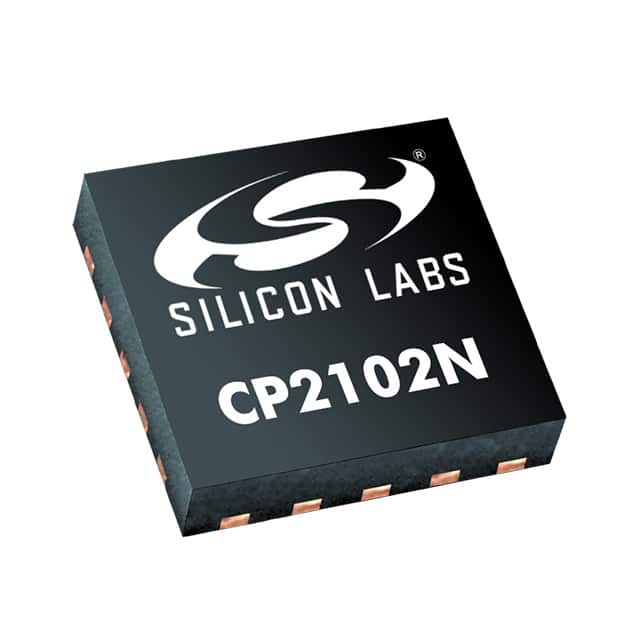
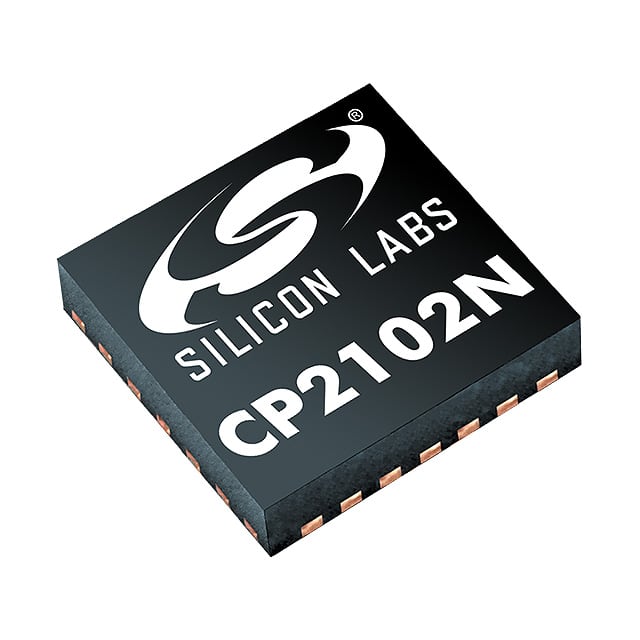
| Part Number | CP2102N-A02-GQFN20R | CP2102N-A02-GQFN24 | CP2102N-A02-GQFN20 | CP2102N-A02-GQFN24R | CP2102N-A02-GQFN28 |
| Manufacturer | Silicon Labs | Silicon Labs | Silicon Labs | Silicon Labs | Silicon Labs |
| Package/Case | 20-WFQFN Exposed Pad | 24-VFQFN Exposed Pad | 20-WFQFN Exposed Pad | 24-VFQFN Exposed Pad | 28-WFQFN Exposed Pad |
| Programmable | Not Verified | Not Verified | Not Verified | Not Verified | Not Verified |
| Protocol | USB | USB | USB | USB | USB |
| Function | Bridge, USB to UART | Bridge, USB to UART | Bridge, USB to UART | Bridge, USB to UART | Bridge, USB to UART |
| Interface | UART | UART | UART | UART | UART |
| Standards | USB 2.0 | USB 2.0 | USB 2.0 | USB 2.0 | USB 2.0 |
| Voltage - Supply | 3V ~ 3.6V | 3V ~ 3.6V | 3V ~ 3.6V | 3V ~ 3.6V | 3V ~ 3.6V |
| Current - Supply | 9.5mA | 9.5mA | 9.5mA | 9.5mA | 9.5mA |
| Operating Temperature | -40°C ~ 85°C (TA) | -40°C ~ 85°C (TA) | -40°C ~ 85°C (TA) | -40°C ~ 85°C (TA) | -40°C ~ 85°C (TA) |
| Supplier Device Package | 20-QFN (3x3) | 24-QFN (4x4) | 20-QFN (3x3) | 24-QFN (4x4) | 28-QFN (5x5) |
| Grade | - | - | - | - | - |
| Qualification | - | - | - | - | - |
User Guide
- Purchase & Inquiry
- Package
- Shipping Information
- Customer Review
You may place an order without registering to IC-MAX.COM
We strongly suggest you sign in before purchasing as you can track your order in real time.
For your convenience, we accept multiple payment methods in USD, including PayPal, Credit Card, and wire transfer.
RFQ (Request for Quotations)
It is recommended to request for quotations to get the latest prices and inventories about the part.
Our sales will reply to your request by email within 24 hours.
1. You'll receive an order information email in your inbox. (Please remember to check the spam folder if you didn't hear from us).
2. Since inventories and prices may fluctuate to some extent, the sales manager is going to reconfirm the order and let you know if there are any updates.
-
- Step1:Prepare product
-
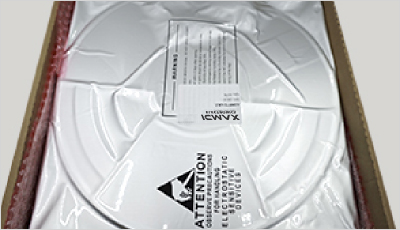
- Step2:Vacuum packaging
-
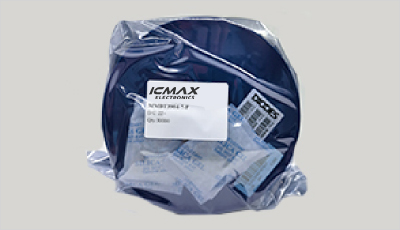
- Step3:Anti-static bag
-
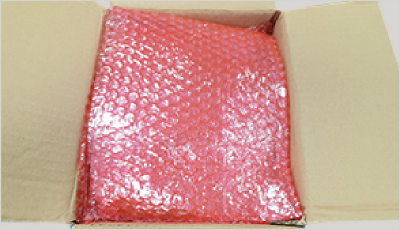
- Step4:Individual package
-
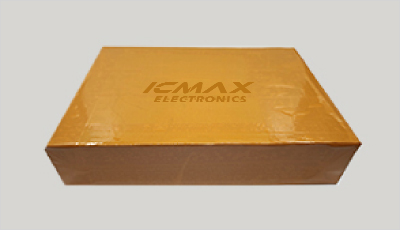
- Step5:Packaging box
-
- Step6:Barcode shipping label
Shipping starts at $40, but some countries will exceed $40. For example (South Africa, Brazil, India, Pakistan, Israel, etc.)
The basic freight (for package ≤0.5kg or corresponding volume) depends on the time zone and country.
Currently, our products are shipped through DHL, FedEx, SF, and UPS.
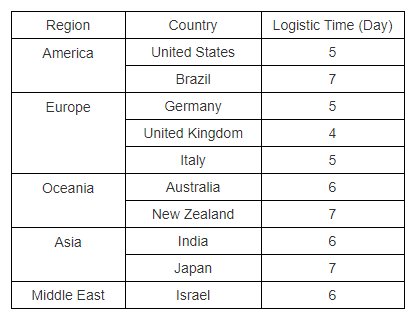
Delivery TimeOnce the goods are shipped, estimated delivery time depends on the shipping methods you chose:
FedEx International, 5-7 business days.
The following are some common countries' logistic time.
- Hot Sale
- Related Categories
- Include Parts
- Popular Search
The following parts include "CP2102" in Silicon Labs CP2102.
- Part Number
- Manufacturer
- Package
- Description
- PTN5150AHXMP NXP USA Inc. 28-VFQFN Exposed Pad IC USB-TO-UART BRIDGE 28VQFN
- USB3740B-AI9-TR Microchip Technology 28-VFQFN Exposed Pad IC USB-TO-UART BRIDGE 28VQFN
- USB3740B-AI2-TR Microchip Technology 28-VFQFN Exposed Pad IC USB-TO-UART BRIDGE 28VQFN
- USB3300-EZK-TR Microchip Technology 28-VFQFN Exposed Pad IC USB-TO-UART BRIDGE 28VQFN
- USB3300-EZK Microchip Technology 28-VFQFN Exposed Pad IC USB-TO-UART BRIDGE 28VQFN
- FUSB340TMX onsemi 28-VFQFN Exposed Pad IC USB-TO-UART BRIDGE 28VQFN
- FUSB302BMPX onsemi 28-VFQFN Exposed Pad IC USB-TO-UART BRIDGE 28VQFN
- DP83826IRHBR Texas Instruments 28-VFQFN Exposed Pad IC USB-TO-UART BRIDGE 28VQFN
- MCP2518FDT-E/QBB Microchip Technology 28-VFQFN Exposed Pad IC USB-TO-UART BRIDGE 28VQFN
- FUSB302MPX onsemi 28-VFQFN Exposed Pad IC USB-TO-UART BRIDGE 28VQFN
The following parts are popular search parts in Test and Measurement.
Inventory:16,170
Please send an inquiry. Send us your inquiry, and we will respond immediately.

- 1500+ Daily average RFQ Volume

- 20,000.000 Standard Product Unit

- 1800+ Worldwide Manufacturers

- 15,000+ In-stock Warehouse