Nexperia USA Inc. BZX79-B4V7,113

- Part No.:
- BZX79-B4V7,113
- Manufacturer:
- Nexperia USA Inc.
- Category:
- Single Zener Diodes
- Package:
- DO-204AH, DO-35, Axial
- Datasheet:
-
 BZX79-B4V7,113.pdf
- Description:
- DIODE ZENER 4.7V 400MW ALF2
- Quantity:
-
Unit Price:$0
Ext Price:$0
- Payment:
-

- Shipping:
-


BZX79-B4V7,113 Information
- Specifications
- Product Details
- Comparison
- Tags
- Product attributes
- Attribute value
- Manufacturer:
- Nexperia USA Inc.
- Series:
- -
- Package/Case:
- DO-204AH, DO-35, Axial
- Packaging:
- Tape & Reel (TR)
- Product Status:
- Active
- Voltage - Zener (Nom) (Vz):
- 4.7 V
- Tolerance:
- ±2%
- Power - Max:
- 400 mW
- Impedance (Max) (Zzt):
- 80 Ohms
- Current - Reverse Leakage @ Vr:
- 3 µA @ 2 V
- Voltage - Forward (Vf) (Max) @ If:
- 900 mV @ 10 mA
- Operating Temperature:
- -65°C ~ 200°C
- Grade:
- -
- Qualification:
- -
- Mounting Type:
- Through Hole
- Supplier Device Package:
- ALF2
- Datasheet:
-
BZX79-B4V7,113.pdf
BZX79-B4V7 — 4.7V ±2% 500mW Zener Diode (DO-35) from Nexperia
The BZX79-B4V7 is a 4.7V zener diode in a glass-sealed DO-35 package from Nexperia — the through-hole reference for low-voltage regulation and clamping. It delivers 500mW with ±2% tolerance at a 5mA test current.
From what we see across Shenzhen repair lots (2025–2026), BZX79-series zeners are the default replacement on every power-supply bench — through-hole still owns repair and prototype work. The field mistake we see most: feeding the zener the wrong current, then chasing a voltage that was never broken.
But why does the current matter so much? 4.7V is only guaranteed at 5mA. Drive it lower and the clamp drops; drive it higher and the clamp rises.
What Are the Technical Specifications of BZX79-B4V7?
| Parameter | Value |
|---|---|
| Type | Zener diode, unidirectional (low-voltage regulator) |
| Nominal Zener Voltage (VZ) | 4.7V (B series: ±2% tolerance) |
| Test Current (IZT) | 5mA — voltage guaranteed at this current |
| Dynamic Impedance (ZZT) | 80Ω max |
| Power Dissipation | 500mW (40W non-repetitive peak reverse power) |
| Reverse Leakage (IR) | 3µA max @ 2V |
| Forward Voltage (VF) | 900mV max @ 10mA; IF 250mA max |
| Temperature Coefficient | 0.2mV/°C |
| Capacitance | 300pF |
| Operating Temperature | −65°C to +200°C |
| Package | DO-35 (SOD27), glass-sealed, axial leads |
| Series Range | 2.4V–75V (E24), ±2% and ±5% grades |
Key numbers that matter: the 5mA test current is the whole story — per the NXP BZX79 datasheet (M3D176), 4.7V is only specified at that operating point. The 500mW rating and ±2% B-grade tolerance make it the tightest through-hole option in the low-voltage range.
When Should You Use (and NOT Use) the BZX79-B4V7?
✅ Use BZX79-B4V7 when:
- Through-hole repair or prototype work. The axial DO-35 body solders into a plated hole, survives rework, and reads clearly on a bench multimeter — still the repair-bench default.
- Temperatures above 150°C. The glass-sealed package is rated to 200°C, where plastic SOT-23 zeners stop.
- 500mW-class clamping. Double the continuous power of a BZX84-class SMD zener, plus 40W of non-repetitive peak for surge clipping.
- Low-cost ±2% reference. For an op-amp bias rail or a comparator threshold at 5mA, the B-grade holds tight enough without a reference IC.
- Board-level surge protection. A 4.7V rail clamp with a series resistor — the classic undervoltage clamp that keeps logic rails honest.
❌ Don't use BZX79-B4V7 when:
- You need precision regulation. Below 6V the zener knee is soft — voltage drifts with current and temperature. A TL431 programmable reference regulates to 1% regardless of current.
- Your board is SMD-only. No through-hole parts in the line means BZX84 (SOT-23) or BZT52H (SOD-123F) for the same voltage.
- You're regulating real current. A zener shunts current; it doesn't pass it. For a 100mA rail, use an LDO — the zener is the reference, not the regulator.
- You need a sharp clamp above 75V. The series tops out at 75V, and above ~6V the knee physics flips to avalanche anyway — pick the voltage to match.
What Are the Alternatives to BZX79-B4V7?
| Model | Type | Key Difference | Best For |
|---|---|---|---|
| BZX84-C4V7 | SMD zener | SOT-23, 250–300mW, 150°C, AEC-Q101 available | Automated SMD assembly, automotive-grade needs |
| BZT52H-C4V7 | SMD zener | SOD-123F, 300mW, flat-body footprint | Compact SMD layout, same voltage family |
| 1N4731A | Through-hole zener | 1W in DO-41, ±5%, the 1W sibling | Double the power budget, looser tolerance OK |
| BZX55C4V7 | Through-hole zener | Older DO-35 series, ±5% grade | Legacy BOMs already on BZX55 |
| TL431 | Programmable reference | 1% regulation, set by resistor divider, 100mA | Anywhere a zener can't regulate tightly enough |
Which one for a repair bench? Through-hole and 200°C → BZX79; SMD assembly → BZX84; precise regulation → TL431.
On a repair bench, the BZX79-B4V7 is what the schematics call for.
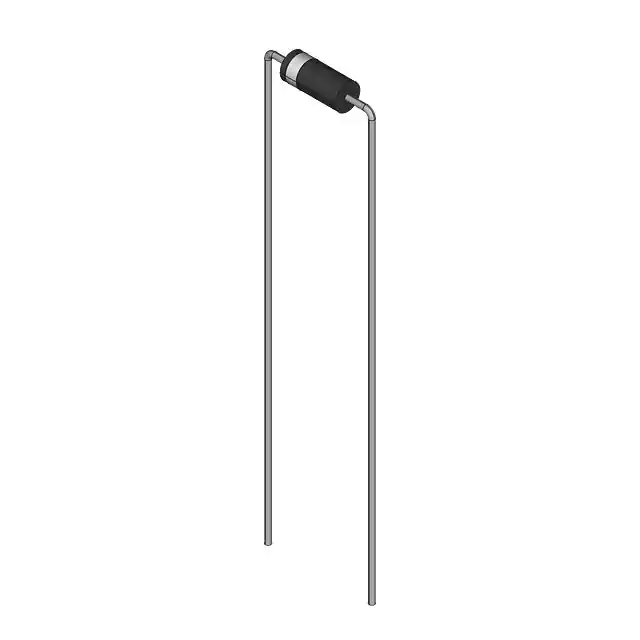
DO-35 outline: a hermetically sealed glass cylinder with two axial leads — the cathode band on the body tells you which end points at the load. No marking codes to decode, no silkscreen to squint at; the band is the entire orientation story.
Why 4.7V behaves differently: below roughly 6V, zeners break down by quantum tunneling — the knee is gradual and the voltage slides with current.
Above 6V, avalanche breakdown produces the sharp knee most engineers picture. That's why 4.7V demands the 5mA operating point — and why low-voltage zener threads dominate the forum archives.
Continuous power rating of the 4.7V zener family — higher is better:
The through-hole package wins the power budget: 500mW versus 300mW for the SMD siblings. The glass body also runs to 200°C — the plastic SMD parts stop at 150°C. If your clamp dissipates or your ambient is hot, the DO-35 is the one that survives.
What Are the Typical Applications of BZX79-B4V7?
Low-voltage rail clamping: a 4.7V zener across a 3.3V or 5V rail clips over-voltage events above its knee. With a series resistor to limit current, it's the standard cheap guard for logic rails in adapter-fed boards — the 40W non-repetitive peak rating absorbs the surge a capacitor bank throws at power-up.
Op-amp bias and comparator thresholds: at 5mA, the B-grade ±2% makes a stable enough reference for a bias rail or a comparator trip point. The 0.2mV/°C coefficient is small enough that the reference moves less than the circuit it feeds.
Repair-bench replacement: the schematic says "4.7V zener" and the through-hole pad is waiting — BZX79-B4V7 drops in where decades of power supplies and audio gear used BZX79, BZX55, or 1N5230B-class parts. Glass-sealed means it also survives the heat of old chassis designs.
Industrial temperature sensing and I/O protection: the 200°C rating and hermetic glass seal make it the choice for control boards that sit near motors, ovens, or engine bays — places where plastic SMD zeners fail early and the through-hole part keeps working.
Why Buy BZX79-B4V7 from ICMASS?
B-grade tolerance verified at the test current. We pull VZ at the 5mA datasheet point on incoming lots. The failure mode that matters in this part — a C-grade die relabeled as B-grade — shows up immediately on that measurement.
Cross-reference support for the whole zener family. Not sure whether your board wants BZX79, BZX84, or BZT52H? Send the package, the power budget, and the temperature — we'll tell you which family the design actually needs, and keep the through-hole vs SMD decision straight.
BOM consolidation for power-supply repair kits. The same bench restock usually carries rectifiers (UF4007, 1N5819), a TL431, and BZX79 zeners — one shipment from Shenzhen covers the whole discrete section.
Same-day dispatch, 5–10 days worldwide. Orders before 15:00 CST ship same day via DHL or FedEx. For volume orders, we source directly from the Nexperia production line.
Frequently Asked Questions About BZX79-B4V7
Q1: Why does my BZX79-B4V7 measure the wrong voltage?
A: Because it isn't getting 5mA. The 4.7V rating is guaranteed at the 5mA test current — the dynamic impedance is 80Ω, so the voltage moves with the current. An EDAboard thread measured far over 4.7V after driving a zener with 91mA; a Raspberry Pi forum thread found a 3V zener clamping near 1V behind a 100k resistor. Feed it 5mA and the number lands.
Q2: What's the difference between BZX79-B4V7 and BZX79-C4V7?
A: The tolerance grade: B = ±2%, C = ±5%. Same 4.7V nominal, same 500mW DO-35 package, same test current. The C grade is the budget option; the B grade is what you pick when a comparator threshold or reference rail can't absorb a 5% swing.
Q3: Why is the knee "soft" at 4.7V?
A: Below roughly 6V, zener breakdown is quantum tunneling, not avalanche. The IV curve bends gradually instead of snapping, so the clamp voltage drifts with current. EEVblog threads on low-voltage zeners make this point repeatedly — the rated voltage is only true at the test current, and "soft knee" is a feature of this voltage band, not a fault in the part.
Q4: Can I use it instead of a BZX84-C4V7?
A: Electrically yes, mechanically no. Same 4.7V family, but BZX79 is through-hole DO-35 with 500mW and 200°C; BZX84 is SOT-23 with 250–300mW and 150°C. If your board is SMD-only, the BZX84 or BZT52H is the drop-in — if you have a hole to fill, the BZX79 is the stronger part.
Q5: I need tight regulation — is this the right part?
A: For precision, use a TL431. Forum threads consistently steer precision-regulator questions to the TL431 programmable reference: 1% regulation, set by two resistors, 100mA drive, and no knee physics to fight. The BZX79 is a reference-grade zener, not a precision regulator — at 5mA it's stable, but it won't beat an IC at its own game.
Q6: My zener blew on power-up. Why?
A: Surge current, not steady-state power. The 40W non-repetitive peak reverse rating covers transients, but a discharged capacitor bank can exceed even that for microseconds. A Hackaday repair log documented a 4.7V BZX79 that let a surge through on re-power — the fix is a series resistor sized to cap the peak current. Ten volts of headroom through 220Ω keeps the surge at the diode's rating.
Q7: What's the operating temperature range?
A: −65°C to +200°C. The glass-sealed DO-35 body is hermetically sealed and runs hot — that's the through-hole advantage. Plastic SMD zeners in the same family stop at 150°C, so for ovens, engine bays, or chassis near heat sources, the BZX79 is the one that keeps its spec.
Q8: How low can the operating current go?
A: It works below 5mA, but the voltage drifts down. A Raspberry Pi forum test showed a 3V-class zener clamping near 1V behind a 100k resistor (≈1mA). The knee is soft and the impedance is 80Ω, so under-driven means under-voltage. For stable operation, budget the 5mA — it's the price of a predictable clamp.
Q9: How much does temperature shift the voltage?
A: About 0.2mV/°C — roughly 53mV across the full −65 to +200°C range. 4.7V sits near the zero-temperature-coefficient point of the zener family, so it drifts less than high-voltage parts. A comparator threshold or bias rail moves less than 30mV over normal board temperatures — usually fine without compensation.
Q10: How do I spot a relabeled BZX79?
A: Measure VZ at exactly 5mA. A C-grade die (5% tolerance) relabeled as B-grade (2%) fails the ±2% window at the test current — the measurement catches it immediately. On low-voltage zeners the profit on relabeling is thin, but the check costs one minute on a bench supply and a DMM.
| Image |
|

|
|
|
|
| Part Number | BZX79-C10,113 | BZX79-C12,113 | BZX79-C4V7,133 | BZX79-C6V2,133 | BZX79-C24,133 |
| Manufacturer | Nexperia USA Inc. | Nexperia USA Inc. | Nexperia USA Inc. | Nexperia USA Inc. | Nexperia USA Inc. |
| Series | - | - | - | - | - |
| Package/Case | DO-204AH, DO-35, Axial | DO-204AH, DO-35, Axial | DO-204AH, DO-35, Axial | DO-204AH, DO-35, Axial | DO-204AH, DO-35, Axial |
| Packaging | Tape & Reel (TR) | Tape & Reel (TR) | Cut Tape (CT) | Cut Tape (CT) | Cut Tape (CT) |
| Product Status | Active | Active | Active | Active | Active |
| Voltage - Zener (Nom) (Vz) | 10 V | 12 V | 4.7 V | 6.2 V | 24 V |
| Tolerance | ±5% | ±5% | ±5% | ±5% | ±5% |
| Power - Max | 400 mW | 400 mW | 400 mW | 400 mW | 400 mW |
| Impedance (Max) (Zzt) | 20 Ohms | 25 Ohms | 80 Ohms | 10 Ohms | 70 Ohms |
| Current - Reverse Leakage @ Vr | 200 nA @ 7 V | 100 nA @ 8 V | 3 µA @ 2 V | 3 µA @ 4 V | 50 nA @ 16.8 V |
| Voltage - Forward (Vf) (Max) @ If | 900 mV @ 10 mA | 900 mV @ 10 mA | 900 mV @ 10 mA | 900 mV @ 10 mA | 900 mV @ 10 mA |
| Operating Temperature | -65°C ~ 200°C | -65°C ~ 200°C | -65°C ~ 200°C | -65°C ~ 200°C | -65°C ~ 200°C |
| Grade | - | - | - | - | - |
| Qualification | - | - | - | - | - |
| Mounting Type | Through Hole | Through Hole | Through Hole | Through Hole | Through Hole |
| Supplier Device Package | ALF2 | ALF2 | ALF2 | ALF2 | ALF2 |
User Guide
- Purchase & Inquiry
- Package
- Shipping Information
- Customer Review
You may place an order without registering to IC-MAX.COM
We strongly suggest you sign in before purchasing as you can track your order in real time.
For your convenience, we accept multiple payment methods in USD, including PayPal, Credit Card, and wire transfer.
RFQ (Request for Quotations)
It is recommended to request for quotations to get the latest prices and inventories about the part.
Our sales will reply to your request by email within 24 hours.
1. You'll receive an order information email in your inbox. (Please remember to check the spam folder if you didn't hear from us).
2. Since inventories and prices may fluctuate to some extent, the sales manager is going to reconfirm the order and let you know if there are any updates.
-
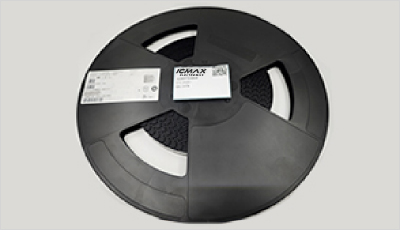
- Step1:Prepare product
-
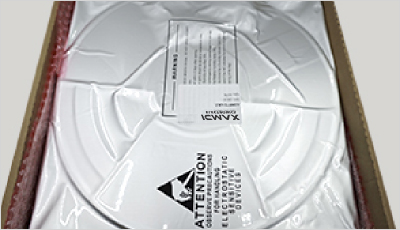
- Step2:Vacuum packaging
-
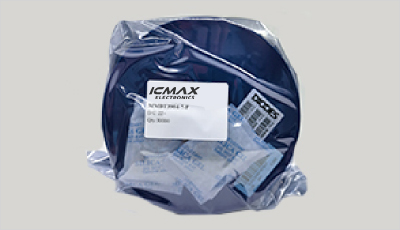
- Step3:Anti-static bag
-
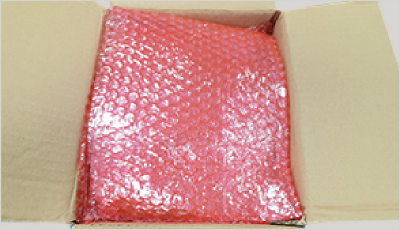
- Step4:Individual package
-
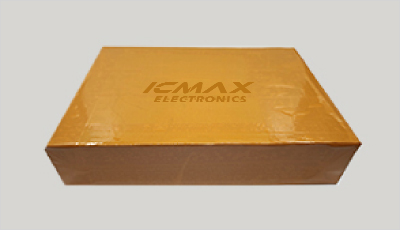
- Step5:Packaging box
-
- Step6:Barcode shipping label
Shipping starts at $40, but some countries will exceed $40. For example (South Africa, Brazil, India, Pakistan, Israel, etc.)
The basic freight (for package ≤0.5kg or corresponding volume) depends on the time zone and country.
Currently, our products are shipped through DHL, FedEx, SF, and UPS.
Delivery TimeOnce the goods are shipped, estimated delivery time depends on the shipping methods you chose:
FedEx International, 5-7 business days.
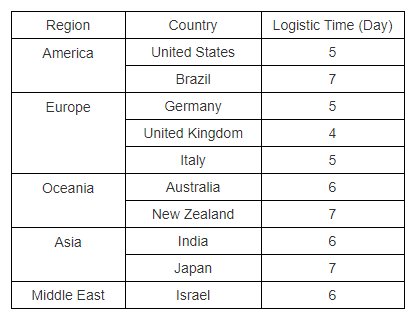
The following are some common countries' logistic time.
- Hot Sale
- Related Categories
- Include Parts
- Popular Search
The following parts include "BZX79-B4V7,113" in Silicon Labs BZX79-B4V7,113.
- Part Number
- Manufacturer
- Package
- Description
- MMBZ5240B-7-F Diodes Incorporated DO-204AH, DO-35, Axial DIODE ZENER 4.7V 400MW ALF2
- BZT52C5V6T-7 Diodes Incorporated DO-204AH, DO-35, Axial DIODE ZENER 4.7V 400MW ALF2
- MMSZ5231B-7-F Diodes Incorporated DO-204AH, DO-35, Axial DIODE ZENER 4.7V 400MW ALF2
- BZT52C15-7-F Diodes Incorporated DO-204AH, DO-35, Axial DIODE ZENER 4.7V 400MW ALF2
- BZX84C3V3LT1G onsemi DO-204AH, DO-35, Axial DIODE ZENER 4.7V 400MW ALF2
- MMSZ5245BS-7-F Diodes Incorporated DO-204AH, DO-35, Axial DIODE ZENER 4.7V 400MW ALF2
- MMSZ4682T1G onsemi DO-204AH, DO-35, Axial DIODE ZENER 4.7V 400MW ALF2
- BZT52C15S-7-F Diodes Incorporated DO-204AH, DO-35, Axial DIODE ZENER 4.7V 400MW ALF2
- MM5Z5V1ST1G onsemi DO-204AH, DO-35, Axial DIODE ZENER 4.7V 400MW ALF2
- SMAJ4744A-TP Micro Commercial Co DO-204AH, DO-35, Axial DIODE ZENER 4.7V 400MW ALF2
The following parts are popular search parts in Test and Measurement.
Inventory:8,435
Please send an inquiry. Send us your inquiry, and we will respond immediately.

- 1500+ Daily average RFQ Volume

- 20,000.000 Standard Product Unit

- 1800+ Worldwide Manufacturers

- 15,000+ In-stock Warehouse